What Is an Incentive Travel Program?
An incentive travel program is not simply a company trip. It’s a structured reward system built to motivate specific behaviors and recognize the people who achieve defined outcomes. Participants can be employees, sales reps, dealers, distributors, partners, or customers, and the reward is tied to measurable goals rather than general good performance. Programs typically include travel, lodging, meals, activities, recognition moments, and sometimes guest experiences, and they can range from an individual reward to a large group trip, domestic or international, relaxed or adventure-driven.
That distinction is useful because there are many different types of retreats, from leadership planning sessions to team-building offsites, and not all of them are incentive programs. A traditional retreat is generally designed around what the group needs to accomplish together. An incentive trip begins with what participants need to achieve in order to earn their place.
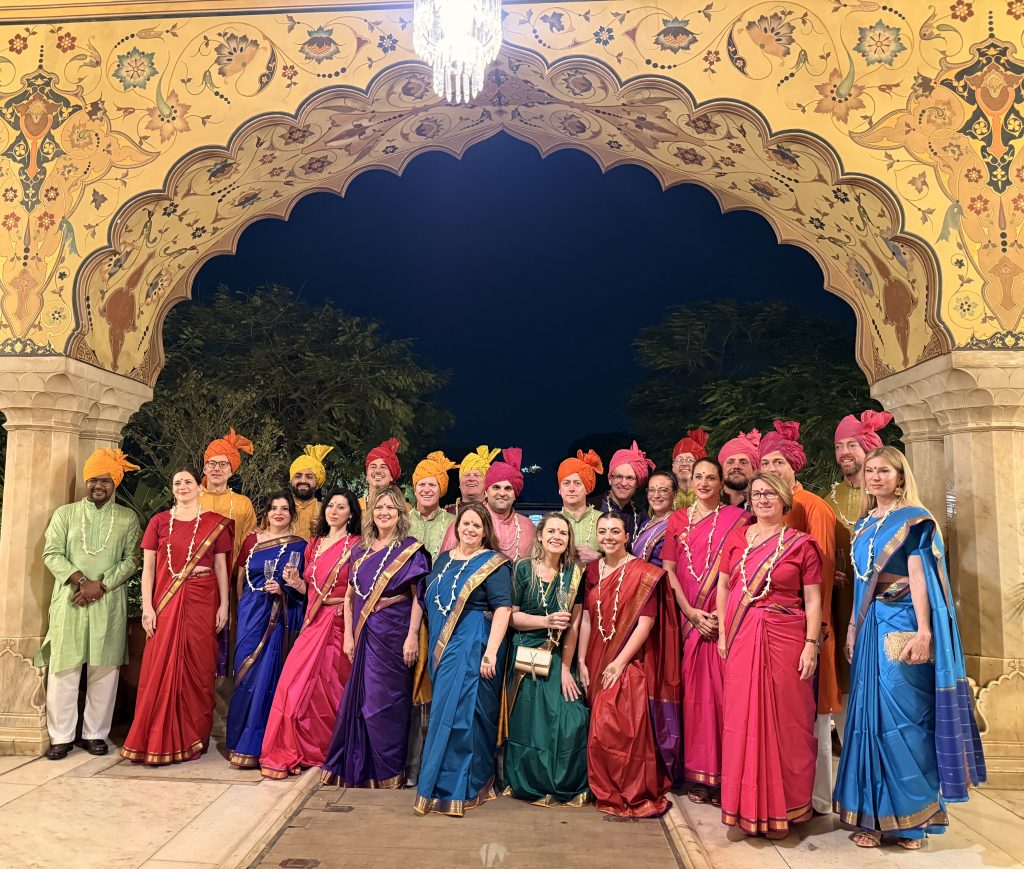
What makes incentive travel work as a motivational tool, rather than just an expensive perk, is the direct line between effort and reward. Eve Plumridge, who ran Camunda’s first-ever President’s Club Trip to India’s Golden Triangle, described the goal plainly: the program should function as “a formal recognition program that signals elite achievement,” not a vacation dressed up in company branding. That distinction matters because the moment a program stops feeling earned, it stops motivating the behavior it was designed to encourage.
How Incentive Travel Programs Work
The mechanics are fairly consistent across program types, even though the specific goals differ. A company defines the business objective, identifies eligible participants, and sets qualification criteria before the performance period starts. From there, the rules get communicated clearly, performance gets tracked throughout the qualification window, and winners are announced once the period closes. The travel experience itself gets planned and delivered, recognition happens onsite, and afterward the program’s feedback and business impact get measured so the next cycle can improve on the last one.
The planning mechanics overlap with broader incentive travel planning: sourcing destinations, comparing properties, managing flights, building an itinerary, communicating with travelers, and preparing for what happens when plans change.
That final step, measuring impact, is where a lot of programs quietly fall short, mostly because it requires planning before the trip rather than after. A program that skips straight from “announce winners” to “book the trip” without a clear measurement plan in place tends to struggle to prove its own value the next time budget season comes around.
Types of Incentive Travel Programs
Sales incentive travel programs reward quota achievement, revenue growth, new business, renewals, or specific strategic sales behaviors, and are the most common form of incentive travel in B2B organizations. They can complement an SKO, but the purpose is different: the sales kickoff aligns and prepares the team, while incentive travel rewards the people who delivered against a predetermined goal.
Employee incentive travel programs recognize high-performing employees, leadership behaviors, retention milestones, or company-wide achievement, extending the incentive travel model beyond a pure sales context.
Channel partner incentive travel programs reward dealers, distributors, resellers, or brokers who hit sales or growth goals, often used by manufacturers and franchise systems to drive performance through an indirect sales channel.
Customer loyalty incentive travel programs reward high-value customers, loyalty, referrals, or strategic account relationships, treating customer engagement and retention as something worth investing travel budget in.
President’s Club programs sit at the premium end of sales incentive travel, typically reserved for a small percentage of top performers and built around exclusivity and elevated recognition rather than broad participation.
There are also adjacent formats such as an executive retreat, leadership retreats, and CEO retreats. These may use similar destinations, hotels, and experiences, but their primary purpose is usually strategic alignment or leadership development rather than performance-based recognition.
From venue sourcing to booking the best deal, we've got you covered.
Get free expert guidanceBenefits of an Incentive Travel Program
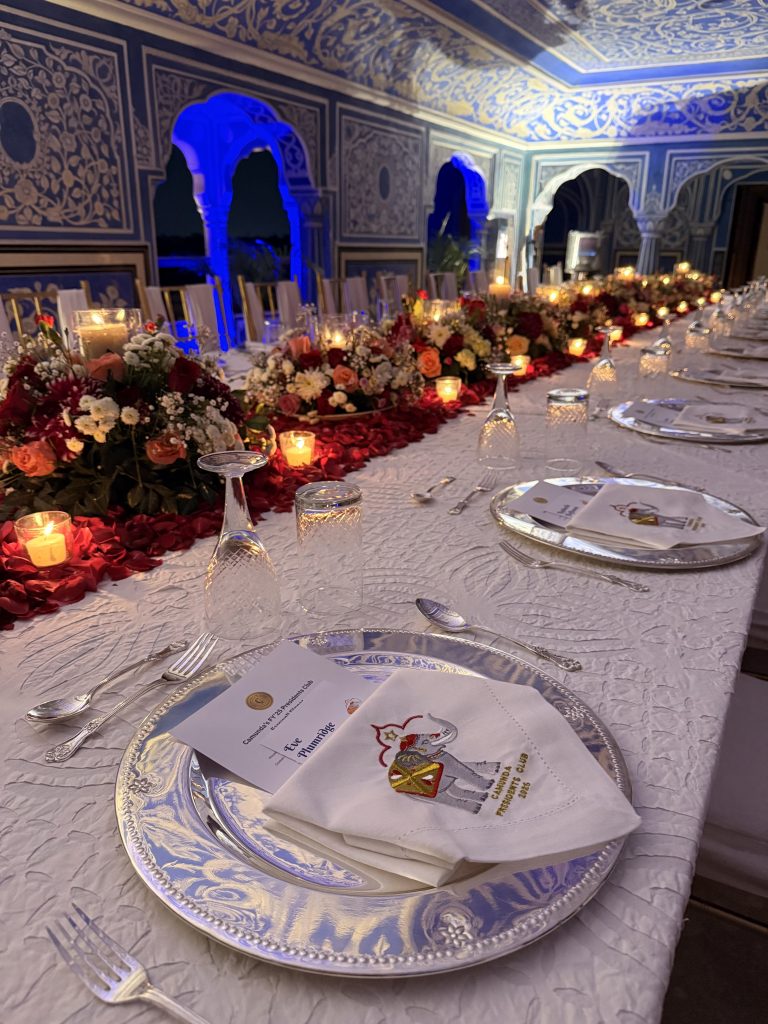
Done well, incentive travel motivates performance, recognizes top achievers, builds loyalty, and creates the kind of aspirational value that a routine bonus rarely generates. It can also strengthen company culture and support retention of high performers, since a well-run program becomes something people talk about internally long after the trip ends. That’s exactly what happened at Camunda after its first President’s Club: Eve described colleagues who weren’t even on the trip stopping her to say they’d heard about it and wanted in the following year, evidence that the program had, in her words, started to “build its own kind of status within the company.”
Many of these benefits overlap with the broader reasons behind why companies do a company retreat: getting people away from their normal environment can create stronger relationships, more memorable experiences, and greater emotional connection to the organization. Incentive travel adds another layer by making access to that experience itself part of the reward.
None of that happens automatically. The benefits depend entirely on good program design, and a poorly communicated or unfair incentive program can do the opposite of what it’s meant to, reducing trust and motivation rather than building them. This is worth remembering before assuming that simply having an incentive program guarantees any of its intended upside.
Incentive Travel vs. Cash Bonuses
| Factor | Incentive Travel | Cash Bonus |
|---|---|---|
| Emotional impact | Often more memorable | Often absorbed into everyday expenses |
| Social recognition | High | Usually lower |
| Flexibility | Lower | Higher |
| Planning complexity | Higher | Lower |
| Cost control | Requires planning | Easier to administer |
| Cultural impact | Builds shared experience | Less shared experience |
Incentive travel earns its cost premium by combining reward, recognition, status, and shared experience in a way a direct deposit simply can’t replicate. Cash bonuses still make sense when flexibility, simplicity, or broad eligibility matters more than a memorable, shared moment. Neither option is universally better. The right choice depends on what the program is actually trying to accomplish and who it’s trying to motivate.
Travel also isn’t the only possible experience format. For distributed organizations facing budget, visa, or scheduling constraints, virtual retreats can still create recognition and shared experiences, although they generally lack the destination value that gives incentive travel much of its aspirational pull.
How to Set Goals for an Incentive Travel Program
A strong goal reads something like: “Reward the top 12% of sales reps who exceed quota and sell at least one strategic product line during the fiscal year.” A weak goal reads like “run a fun trip for the team.” The difference isn’t stylistic. A specific, measurable goal gives participants something concrete to work toward and gives the company a clear way to evaluate whether the program actually worked.
Common goals include increasing sales revenue, improving quota attainment, growing market share, improving customer retention, motivating channel partners, and strengthening partner loyalty. Whatever the specific objective, it needs to be defined before eligibility rules and qualification criteria get built around it, not the other way around.
Who Should Be Eligible?
Eligible participants can include sales reps, sales managers, account managers, executives, dealers, distributors, franchisees, customers, or strategic partners, depending on the program’s purpose. The harder questions come in the details: how new hires are treated, whether managers qualify based on individual or team performance, how regional or territory differences get accounted for, and what happens with partial-year participation, leaves of absence, or promotions mid-period.
Program size changes the planning problem too. Small company retreats can often accommodate more individual preferences and flexible logistics, while large company retreats require much more disciplined thinking around room blocks, transportation, activity capacity, communications, and onsite movement. Incentive travel follows the same pattern as the qualifier pool grows.
None of these questions have a single right answer, but they all need an answer before the qualification period starts. Skipping this step is one of the fastest ways to end up with a dispute right when winners are being announced, which is the worst possible time to discover a gap in the rules.
Incentive Travel Qualification Criteria
| Qualification Model | Best For | Considerations |
|---|---|---|
| Top performer ranking | Competitive sales teams | Simple, but may favor larger territories |
| Quota attainment | Sales organizations | Requires fair quota setting |
| Revenue growth | Growth-focused programs | Good for year-over-year improvement |
| Points-based system | Multi-behavior programs | Flexible, but must stay easy to understand |
| Team-based qualification | Collaborative environments | Encourages teamwork, may frustrate individual top performers |
| Tiered rewards | Large participant groups | Can create broader motivation |
| Nomination-based | Employee recognition | Requires clear evaluation standards |
Criteria should be defined and communicated before the qualification period begins. Changing the rules midstream, even for well-intentioned reasons, damages credibility in a way that’s hard to earn back the following year. Participants who suspect the goalposts might move have far less reason to push toward them in the first place.
How to Design a Fair Incentive Travel Program
Fairness isn’t a soft add-on to program design. It’s the mechanism that makes the incentive actually work. That means setting rules before the program starts, using measurable criteria, making targets ambitious but genuinely attainable, and accounting for territory or market differences rather than applying one standard everywhere regardless of context. It also means looping in finance, HR, and legal early, since qualification thresholds often intersect with compensation plans in ways that create real complications if they’re discovered late.
A useful gut check is imagining how the rules would sound explained to the person most likely to feel shortchanged by them. If the explanation doesn’t hold up, the rules probably need another pass before they go out to the full group.
Incentive Travel Program Planning Timeline
| Timing | Planning Tasks |
|---|---|
| 12+ months before | Define goals, budget, eligibility, destination shortlist |
| 9–12 months before | Set qualification rules, secure destination and hotel |
| 6–9 months before | Plan activities, communications, recognition, guest policy |
| 3–6 months before | Track qualifiers, finalize trip details, collect traveler information |
| 1–3 months before | Confirm winners, book travel, finalize itinerary and logistics |
| During trip | Deliver experience, manage onsite support, host recognition moments |
| After trip | Gather feedback, measure impact, document improvements |
A rushed program tends to show up in small but noticeable ways: a hotel that couldn’t hold the whole group at one property, activities booked too late to get good time slots, or a qualification communication that went out after the performance period had already started. Building in the longer runway pays off directly in how smooth the trip actually feels once it’s underway.
If circumstances force you to plan a company retreat quickly, the priority should be reducing variables rather than simply compressing every normal planning step. Fewer destination options, simpler transportation, clear decision ownership, and an early working agenda can keep a shortened planning window from becoming chaotic.
Teams can also use tools for company retreats or a dedicated corporate retreat platform to centralize sourcing, attendee information, budgets, destination comparisons, and planning decisions instead of managing every workstream through disconnected spreadsheets and email threads.
How to Choose an Incentive Travel Destination

Destination decisions should follow the program’s goals and budget, not the other way around. Worth weighing: flight access and travel time for the group, passport or visa requirements, seasonality, hotel quality and whether one property can hold the whole group, and how the destination will read for guests or partners who may be joining. Eve Plumridge’s account of choosing India’s Golden Triangle for Camunda’s first President’s Club is a good illustration of destination research done through relationships rather than guesswork. She said she “utilized my network,” talking to colleagues at other companies about what had worked and what hadn’t before landing on a destination that fit Camunda’s appetite for something “slightly outside of the norm.”
The shortlist does not necessarily need to consist only of conventional resorts or conference hotels. Depending on the size and purpose of the program, non-hotel company retreat ideas can open up private estates, villas, lodges, and other properties that create a more distinctive experience.
Current industry data backs up why destination choice deserves this level of care. According to the Incentive Research Foundation’s 2025 Trends Report, 70% of buyers are actively looking for new destinations rather than defaulting to familiar ones, and geopolitical instability now ranks among the top short-term challenges facing incentive travel professionals, according to the 2025 Incentive Travel Index. A destination that felt safe and appealing two years ago isn’t guaranteed to still be the right call today, which is exactly why destination research shouldn’t be treated as a one-time decision made early and never revisited.
Incentive Travel Destination Ideas
Luxury resort programs suit relaxation-focused rewards and guest-friendly experiences where the destination itself is the main draw.
Adventure incentive trips work well for high-energy teams looking for a genuinely memorable shared experience rather than a passive one.
City-based incentive travel leans into dining, culture, and executive networking opportunities that a resort destination can’t offer as easily.
Domestic incentive travel simplifies logistics and lowers travel risk, which matters more for shorter programs or larger groups.
International incentive travel tends to suit premium programs with bigger budgets and longer planning timelines behind them.
For shorter programs, weekend retreats can reduce the amount of time people spend away from work while still delivering a destination experience. The tradeoff is that travel time consumes a much larger percentage of the program, so flight access becomes even more important.
Whatever the shortlist, destination recommendations should be validated against current travel conditions and company policy rather than locked in based on last year’s assumptions.
What to Include in an Incentive Travel Program
A strong program typically includes flights, hotel accommodations, a welcome reception, group meals, a recognition dinner or awards ceremony, local experiences, and enough free time that the trip doesn’t feel like a second job. Eve Plumridge’s account of Camunda’s India trip captured this balance well: some of the most meaningful connection happened not during a planned session, but during an unscheduled three-hour group lunch on the final day that attendees organized themselves. A reward trip shouldn’t feel over-scheduled. Participants need real room to enjoy the destination, not just move between sessions with a change of scenery.
Recognition can extend beyond the awards dinner itself. Thoughtful corporate retreat gifts or destination-specific welcome items can reinforce the sense that participants earned something special, provided the gifting feels useful and connected to the experience rather than like another piece of branded merchandise.
A clear program concept can help too. Corporate retreat themes should never overwhelm the purpose of the trip, but a light thematic thread can connect the destination, recognition moments, activities, gifts, and communications into one coherent experience.
Sample Incentive Travel Program Itinerary
Three-day itinerary
| Day | Example Agenda |
|---|---|
| Day 1 | Arrivals, welcome gifts, opening reception |
| Day 2 | Optional morning activity, group excursion, recognition dinner |
| Day 3 | Free time, executive networking, closing celebration |
| Day 4 | Departures |
Five-day itinerary
| Day | Example Agenda |
|---|---|
| Day 1 | Arrivals and welcome reception |
| Day 2 | Group activity and hosted dinner |
| Day 3 | Free day or optional excursions |
| Day 4 | Recognition event and awards ceremony |
| Day 5 | Departures |
The itinerary should provide enough structure that attendees always understand what’s happening without turning every hour into scheduled programming. The same principle applies when developing a broader corporate retreat agenda: structure should create clarity, not eliminate breathing room.
How Much Does an Incentive Travel Program Cost?
Cost depends on participant count, guest policy, destination, flight distance, hotel category, meals and activities, the awards event, gifts, ground transportation, production, planning agency fees, and a contingency line that shouldn’t be treated as optional. According to the IRF’s 2026 Trends Report, average spend per person for incentive travel rose 4% over the past year to $5,100, with roughly half of buyers expecting 2026 budgets to simply match inflation rather than expand meaningfully. That context matters when setting expectations internally: this isn’t an industry where costs are trending down, and budgeting needs to reflect that reality rather than last year’s numbers.
Organizations building their first program can use broader corporate retreat costs as a useful planning reference because the same underlying variables apply: lodging, travel, food and beverage, activities, transportation, production, staffing, taxes, and contingency. The difference is that incentive programs often carry a higher expectation around destination quality and recognition.
Incentive Travel Program Budget Template
| Budget Category | Notes |
|---|---|
| Airfare | Participants, guests, executives, staff |
| Hotel | Room rate, taxes, resort fees, upgrades |
| Food and beverage | Receptions, dinners, breakfasts, private events |
| Activities | Group excursions and optional experiences |
| Transportation | Airport transfers and onsite movement |
| Recognition | Awards, gifts, ceremony, photography |
| Event production | AV, staging, décor, branding |
| Planning and staffing | Agency fees, onsite support, travel desk |
| Risk and contingency | Weather, delays, emergencies, rebooking |
The initial number should be treated as a working model rather than a fixed ceiling. Building realistic budgets requires testing assumptions against actual airfare, hotel, F&B, and activity pricing before leadership becomes attached to a per-person figure that the destination cannot realistically support.
If comparing multiple destinations, request formal venue proposals through an RFP process rather than relying on informal quotes, since that’s the only way to get an apples-to-apples comparison of what’s actually included. Comparing Venues properly means looking beyond the headline room rate to taxes, resort fees, meeting space, food and beverage minimums, transfers, concessions, cancellation terms, and what each property is actually including.
Some planning services now operate on commission-free pricing models for company retreats, which is worth asking about directly, since traditional commission structures can quietly bias which venues get recommended in the first place.
Incentive Travel Program Communication Plan
Communication needs to start before the qualification period does, covering the program announcement, eligibility rules, progress updates, and eventually the winner announcement, guest policy, travel documentation, and packing details. A short post-trip recap, shared beyond just the attendees, is what turns a private reward into the kind of visible, aspirational program other employees start asking to be part of next time. Communication should make the program feel aspirational while keeping the actual rules and expectations completely clear. Those two goals aren’t in tension. Vague rules dressed up in exciting language tend to undermine trust rather than build excitement.
How to Measure Incentive Travel ROI

Useful metrics include revenue growth, quota attainment, partner sales volume, customer or employee retention, participation rate, cost per qualifier, and post-trip survey results tracked against the program’s original goals. Not all of this value is immediate or purely financial. Recognition, loyalty, and culture effects often require qualitative feedback alongside the harder numbers, which is worth acknowledging honestly with leadership rather than forcing every outcome into a single financial metric.
A structured set of retreat survey questions can help separate reactions to the destination from whether the experience actually accomplished its intended purpose. Ask what participants valued, what changed afterward, what they would improve, and whether the program affected motivation or connection to the organization.
The same principle applies when calculating the broader ROI of company retreats: the measurement model should start with the business objective rather than trying to assign a dollar value to every positive attendee comment after the fact.
Industry-wide data suggests this measurement discipline matters more than ever given current budget pressure. Per the 2025 Incentive Travel Index, 75% of incentive professionals still agree that the value of incentive travel remains strong, even as they report the business getting tougher every year under rising costs and flat budgets. Programs that can clearly demonstrate return on investment are in a stronger position to hold their budget in that environment than ones running on assumed goodwill alone.
Mike Tan, co-CEO of RetreatsAndVenues, ties ROI measurement back to the program’s original intention rather than a generic checklist: if the goal was hitting a sales target, “are they clear on the goal after the retreat, and then, taking a look at the end of the quarter, did we hit it?” He also flags a timing trap worth building into the survey plan. Feedback collected right after the trip tends to be skewed by what he calls “a warm fuzzy feeling,” so it’s worth measuring again around six months out to see whether the motivational lift actually held.
Common Incentive Travel Program Mistakes
- Unclear qualification rules, or criteria that shift mid-program
- Choosing a destination before defining the program’s actual goals
- Underestimating travel logistics for a large or dispersed group
- Over-scheduling the itinerary until it feels like more work, not less
- Ignoring participant preferences when planning activities
- Failing to communicate progress during the qualification period
- Leaving HR, finance, legal, or tax stakeholders out of planning
- Ignoring accessibility needs until problems surface onsite
- No contingency plan for weather, delays, or last-minute changes
- No post-program measurement, leaving the next cycle to guess what worked
Accessibility is particularly difficult to fix at the last minute because it affects the destination, hotel, transportation, room layouts, activities, dietary planning, and communication. Using an accessibility checklist while venues are still being evaluated is much easier than discovering after contracts are signed that part of the experience excludes someone.
How to Choose an Incentive Travel Company
The right incentive travel company or destination management company should bring genuine experience with similar programs, real destination expertise, and support for both program design and sourcing and contract negotiations, not just logistics execution. Look for transparency around budget, a clear approach to onsite risk management and duty of care, and evidence of measurement and reporting rather than a purely creative pitch.
The technology and operating model matter too. Some teams want a traditional agency relationship, while others prefer a corporate retreat platform that makes sourcing and comparison more transparent. Neither approach is automatically better, but organizers should understand who controls the venue relationship, how recommendations are generated, and how the provider gets paid.
Established incentive travel companies like ITA Group have built their reputation around combining strategic program design with travel execution, which is the combination worth evaluating for, regardless of which company you ultimately choose. A partner who only understands travel logistics, without understanding incentive strategy, will plan a smooth trip that may not actually motivate the behavior it was meant to.
Incentive Travel Program Checklist
- Define business goals
- Identify eligible participants
- Set qualification criteria
- Confirm budget
- Align with HR, finance, legal, and tax advisors
- Choose destination shortlist
- Define guest policy
- Build communication plan
- Track participant progress
- Select destination and hotel
- Plan recognition moments
- Build itinerary
- Arrange flights and transfers
- Confirm accessibility needs
- Prepare onsite support
- Create contingency plan
- Gather post-trip feedback
- Measure program outcomes
- Document lessons for next year
Planning an incentive travel program and need help comparing venues or building an RFP? RetreatsAndVenues works with commission-free pricing models so your destination recommendations aren’t shaped by hidden vendor incentives.
Frequently Asked Questions
What is an incentive trip for employees?
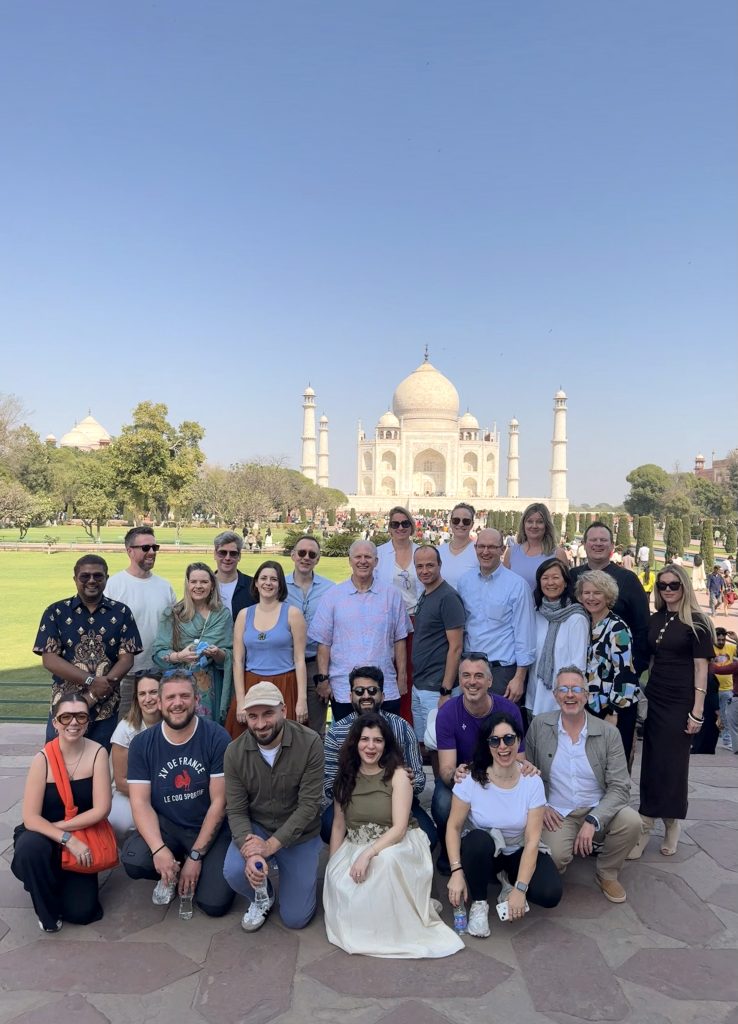
An incentive trip for employees is a travel reward earned by hitting a defined performance bar, whether that's a sales target, a retention milestone, or another measurable company goal. It's designed to feel more elevated and more personally meaningful than a routine bonus, often including recognition events and guest experiences alongside the travel itself. Camunda's first President's Club trip to India is a good example of this in practice: a small group of top performers earned a five-day incentive trip built specifically around recognition rather than general team bonding.
What is an incentive travel program?
It's a performance-based reward program where employees, sales teams, channel partners, or customers earn a trip by meeting defined goals set before the qualification period begins. The reward is tied to measurable outcomes, not general goodwill, which is what separates it from a standard team trip or company retreat. Programs vary widely in scale, from a single President's Club-style trip for a dozen top sales reps to company-wide incentive travel involving hundreds of participants.
How does the incentive program work?
Companies define a business objective, set eligibility and qualification rules, and communicate them before tracking performance during a set qualification period. Once the period closes, winners are announced, the trip is planned and delivered, and feedback and business impact get measured afterward. Skipping any one of these steps, particularly the measurement stage, tends to weaken the program's ability to prove its value the next time it needs budget approval.
What are examples of incentive programs?
Common examples include sales incentive travel for reps who exceed quota, President's Club programs for a company's top sales performers, channel partner programs rewarding dealers or distributors who hit growth targets, and customer loyalty programs that reward high-value accounts with travel rather than a discount or credit. Each type ties the reward to a different kind of measurable behavior, which is why the qualification criteria look different across programs even when the trip itself looks similar.
How do you structure an effective incentive travel program?
Start with a specific, measurable goal, define eligibility and qualification criteria before the performance period begins, and build a communication plan that keeps participants updated on their progress. Bring HR, finance, and legal into the planning process early, since qualification rules often intersect with compensation in ways that create problems if discovered late. A program built this way tends to hold up under scrutiny far better than one assembled around a destination chosen first and goals worked out afterward.
About the author
Danielle Leung is the Social Media Manager at RetreatsAndVenues, where she helps shape the brand's voice and content strategy. She writes the company's monthly newsletter and contributes to the blog. With a background in marketing across a range of industries, Danielle is passionate about meaningful storytelling, community, and the future of work.