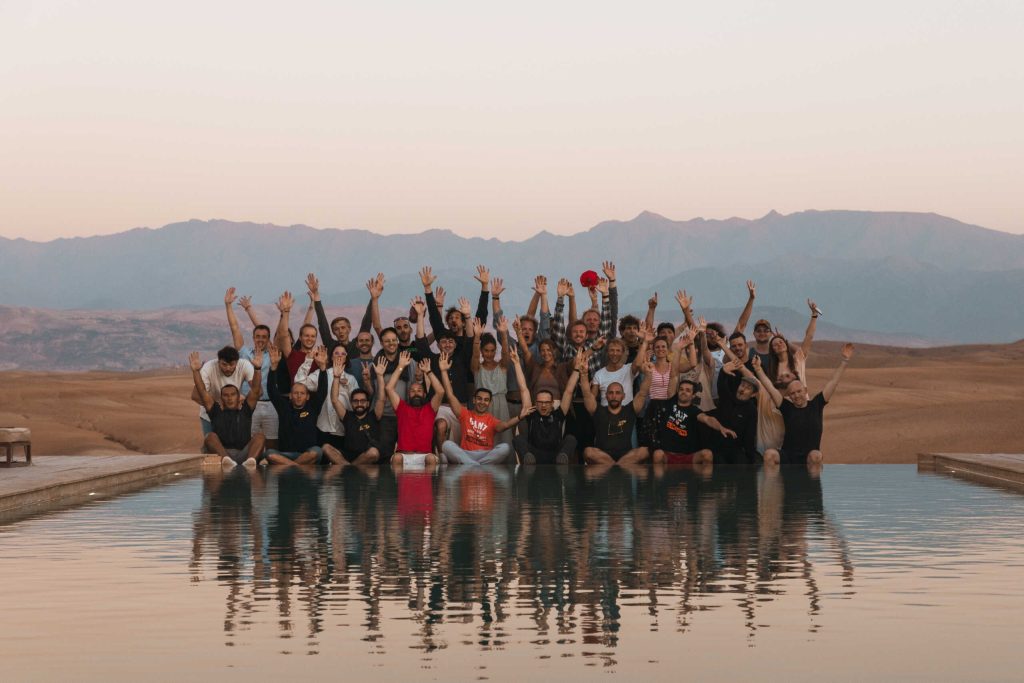
Quick summary:
The best non-hotel remote work retreats are not just about location—they’re about designing environments that enable real connection, productivity, and momentum. Unlike traditional hotels, these retreats combine fast wi-fi, intentional community, and shared living experiences that actually mirror how modern teams and remote workers operate. Whether you’re planning a corporate retreat, exploring digital nomad retreats, or organizing an executive retreat, the right environment can directly impact alignment, culture, and the long-term ROI of company retreats.
Introduction: Why Hotels Fail Remote Work Retreats
If you’ve ever tried to run a retreat out of a hotel, you’ve likely felt the friction. On paper, hotels look efficient—conference rooms, catering, centralized logistics. But in practice, they isolate people. Work happens in one room, meals in another, and downtime in private spaces. The result is a fragmented experience that rarely delivers on the deeper outcomes teams are actually looking for.
For remote work teams—especially those operating asynchronously across cities like New York, Barcelona, or Mexico City—this fragmentation becomes even more pronounced. What they need isn’t just a venue. They need an environment where spontaneous interaction happens naturally, where like-minded people share space, and where the vibe encourages both focus and connection.
That’s why non-hotel retreats have become the dominant model. From co-living villas in Portugal to coworking retreats in Bali, these environments are built around how modern teams and freelancers actually work. We analyzed over 50 global retreats—from Thailand to South Africa—and the difference is clear: the best experiences aren’t structured around rooms and meeting spaces. They’re structured around people.
What Counts as a “Non-Hotel Remote Work Retreat?”
A non-hotel retreat isn’t just a different type of accommodation—it’s a fundamentally different experience design.
These retreats typically fall into a few key categories. Co-living spaces bring together digital nomads, entrepreneurs, and solo travelers into shared environments with private rooms and communal workspaces. Dedicated programs like wifi tribe or hacker paradise create rotating communities across locations like Indonesia, Vietnam, and Buenos Aires, blending work with cultural immersion.
Then you have private villas and estates—often sourced through Airbnb or specialized platforms—which are increasingly used for leadership retreats, CEO retreats, and high-impact offsites. These environments allow for full control over the agenda, themes, and experience design.
Finally, there are eco-retreats and hybrid coworking environments in destinations like Costa Rica, Morocco, and Greece, where wellness, nature, and productivity intersect. What all of these share is a focus on how people actually work: strong wi-fi, integrated coworking spaces, and a structure that encourages interaction.
What’s excluded is just as important—traditional hotels, generic resorts, and any venue that treats work as an afterthought rather than a core function.
How We Selected These Retreats
Most lists in this category optimize for aesthetics. We didn’t.
Our evaluation focused on operational realities—the things that actually determine whether a retreat works or fails. That includes verified fast wi-fi, proper workspace design (not just a table and chair), and the presence of structured or organic community experiences like meetups.
We also looked at flexibility. Some teams need weekend retreats, while others benefit from multi-week workation formats that allow deeper connection. Location matters too—not just for appeal, but for accessibility, time zones, and travel logistics. This is where an accessibility checklist becomes critical, especially for global teams.
Most importantly, we incorporated real-world insights from operators and leaders. Our work at RetreatsAndVenues (R&V), particularly through the Pioneers in Culture podcast, consistently reinforces a key insight: shared living environments outperform traditional venues when it comes to building trust and alignment.
The Best Non-Hotel Remote Work Retreats (2026)
Wifi Tribe — Global Digital Nomad Community
Operating across locations like Cape Town, Bali, and Buenos Aires, Wifi Tribe has become synonymous with the modern digital nomad lifestyle.
Why It Stands Out
It’s not just a retreat—it’s a global network of location-independent professionals.
Remote Work Setup
Reliable coworking environments with strong wi-fi and consistent infrastructure.
Community & Experience
Highly curated groups of like-minded people, with regular meetups and shared experiences.
Accommodation Style
Co-living villas with private rooms.
Pricing Overview
$1,500–$3,000/month.
Best For
Solo founders, freelancers, and remote professionals.
Considerations
Less suited for structured corporate teams.
Hacker Paradise — Structured Work + Travel

With programs in Lisbon, Barcelona, and Mexico City, Hacker Paradise blends productivity with exploration.
Why It Stands Out
Strong balance between work and cultural immersion.
Remote Work Setup
Premium coworking offices with consistent fast wi-fi.
Community & Experience
Daily work sessions and curated events.
Accommodation Style
Apartments and co-living setups.
Pricing Overview
$2,000–$4,000/month.
Best For
Professionals seeking structure.
Considerations
Less customizable for internal company needs.
Private Villa Retreats — Where Real Transformation Happens
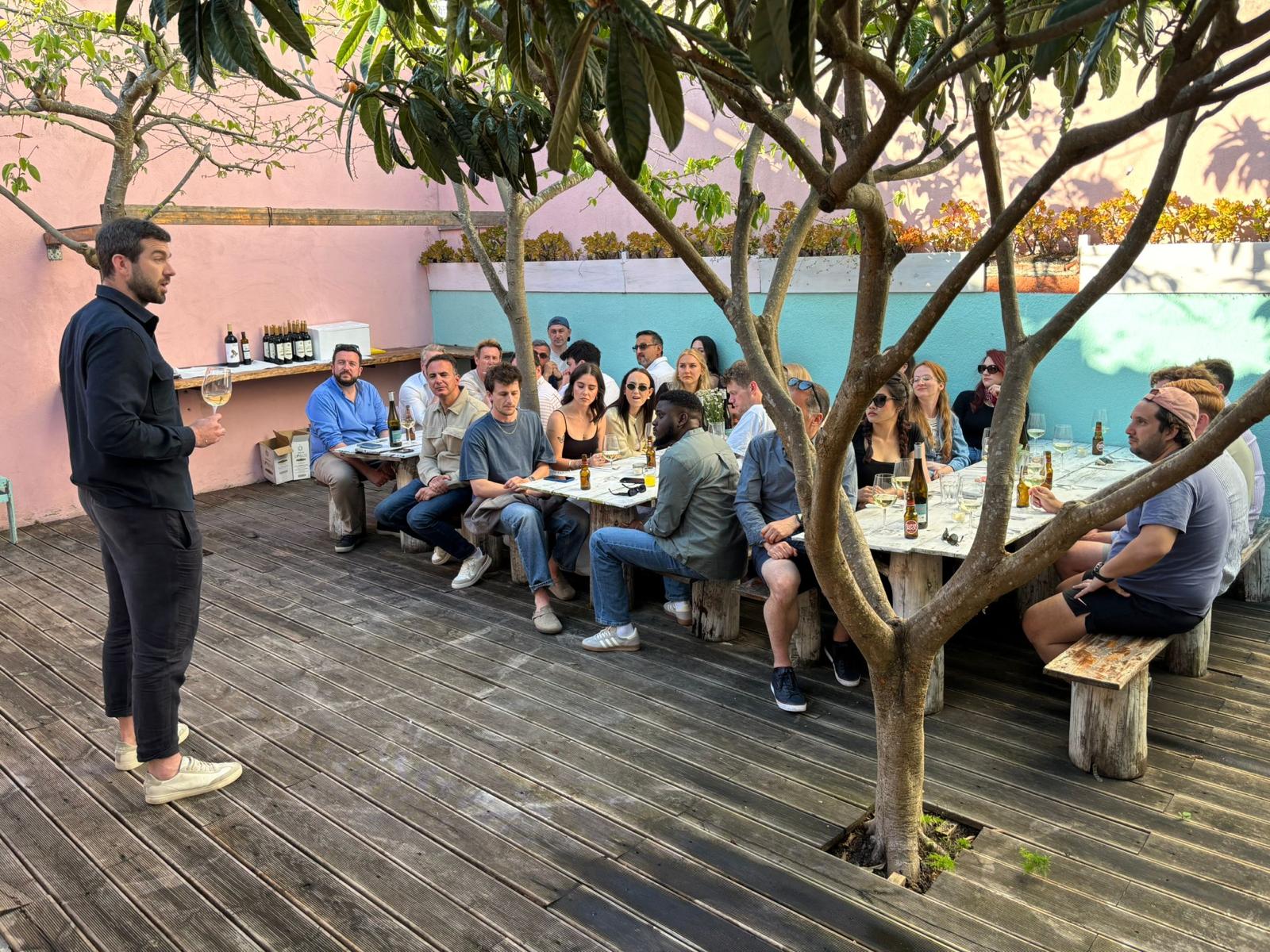
This is where the most impactful retreats are happening today—and where Danielle’s insights become particularly valuable.
In Episode 9 of Pioneers in Culture, Andrew McLeod (CEO at Certn) shared how a post-acquisition retreat in Sydney used a private beach house instead of a traditional venue. The result wasn’t just alignment—it was momentum. Sharing a home created space for spontaneous interaction, informal conversations, and genuine connection. These moments—outside of formal sessions—became the foundation for rebuilding trust after the merger.
In Episode 45, Victoria Vipond (Sons) described a retreat at the Kali surf villa in Lisbon. The standout moment wasn’t a workshop or presentation—it was a shared tasting menu organized by the villa owners, combined with downtime around the pool. These experiences created connection in a way that no structured agenda could replicate.
And in Episode 15, Tobias Hagenau (Awork) highlighted Kemper Hof, a countryside retreat in Germany. A former farm turned group venue, it enabled deep conversation and unexpected moments—like the team staying up until 4am learning salsa together. That’s the kind of bonding that doesn’t happen in a hotel conference room.
Why It Stands Out
Full control over environment, themes, and experience design.
Remote Work Setup
Customizable, often with hybrid workspaces and strong wi-fi.
Community & Experience
Driven by shared living and intentional design.
Accommodation Style
Private villas, estates, and unique properties.
Pricing Overview
$150–$500 per person per night.
Best For
Corporate teams, leadership retreats, and executive retreat formats.
Considerations
Requires planning—this is where top tools to plan a company retreat and strong operational support matter.
Obonjan Island — Full Immersion Retreat
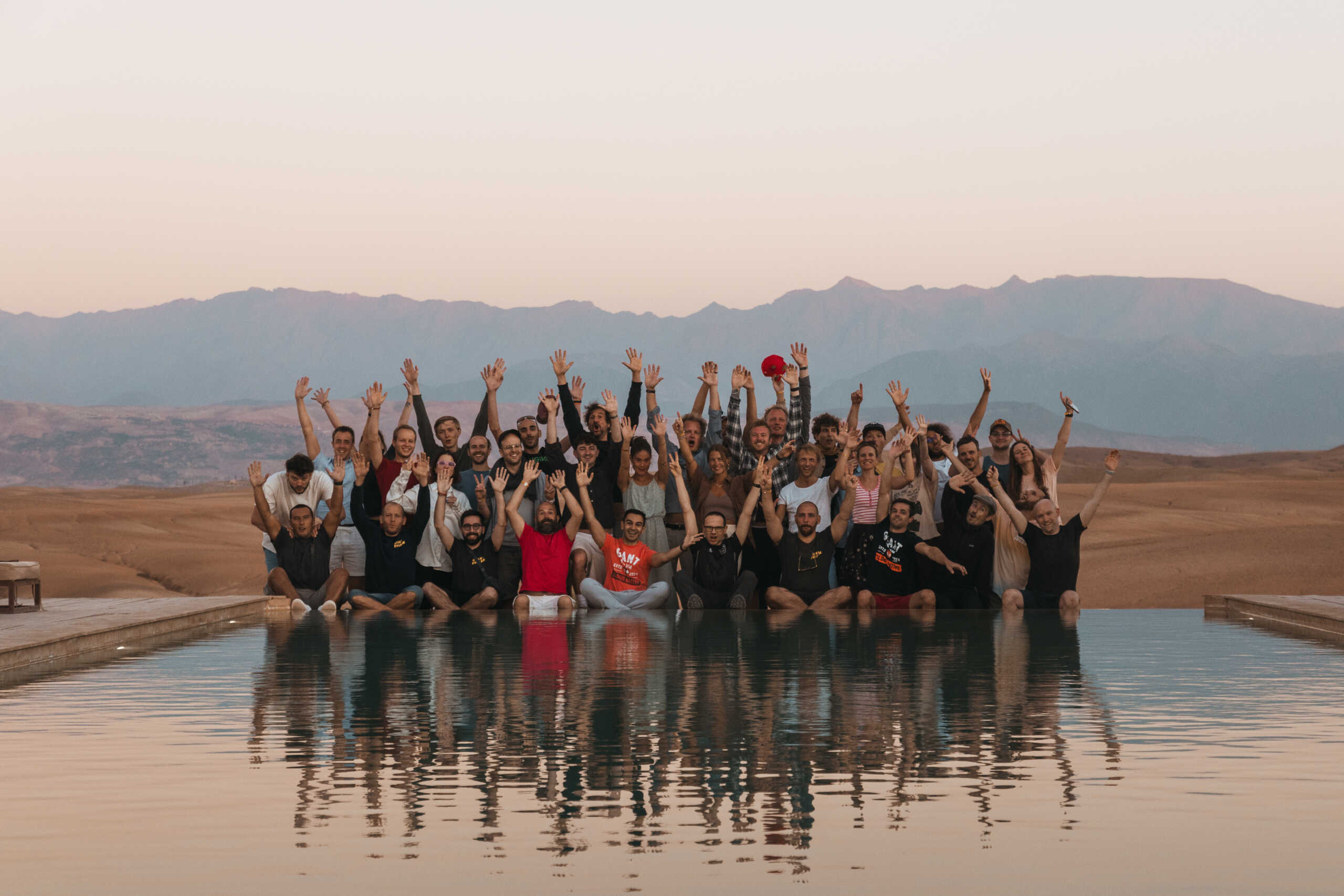
A private island off the coast of Croatia, used by companies like Giant Swarm.
Why It Stands Out
Total immersion and team focus.
Remote Work Setup
Reliable infrastructure and connectivity.
Community & Experience
Shared isolation drives rapid bonding.
Accommodation Style
Eco-lodges and cabins.
Pricing Overview
Premium.
Best For
Onboarding and deep team integration.
Considerations
Logistically complex and budget-intensive.
Finally, in Episode 22, Joshua Olson (Giant Swarm) described Obonjan Island in Croatia—a private island retreat where his first week at the company was spent connecting with the entire team. The isolation wasn’t a limitation—it was the feature. It accelerated onboarding in a way no virtual experience could.
How to Choose the Right Remote Work Retreat
The decision isn’t about picking a destination—it’s about aligning the environment with your objective.
If your goal is strategic alignment, a private villa in Italy or Spain may outperform a large-scale retreat program. If you’re optimizing for exposure and networking, a coworking retreat in Chiang Mai or Bali might be a better fit.
The real decision factors typically include:
- Work intensity vs relaxation
- Budgets and total corporate retreat costs
- Time zone alignment
- Community vs privacy
- Duration (short vs extended stays)
The mistake most teams make is optimizing for surface-level factors like price or aesthetics instead of outcomes.
Common Mistakes to Avoid
The most common retreat failures are subtle. Everything looks good on paper, but the experience doesn’t deliver.
The biggest issues tend to be:
- Weak or inconsistent wi-fi
- Poorly designed spaces that don’t support work
- Overloaded agenda with no downtime
- Mismatch between team dynamics and environment
- Lack of intentional design around connection
The difference between a good retreat and a great one often comes down to what happens outside the structured sessions.
FAQs
Which Digital Nomad Retreat Would I Choose?
For individuals, Wifi Tribe or Hacker Paradise in locations like Portugal or Mexico City offer the best balance of structure and flexibility. For teams, I would almost always choose a private villa setup because it allows full control over the experience. The ability to shape the environment directly impacts outcomes.
What is a Digital Nomad Retreat?
A digital nomad retreat is a structured experience designed for remote workers, freelancers, and entrepreneurs. These retreats combine accommodation, coworking spaces, and community programming into a single experience. Platforms like https://wifitribe.co and https://hackerparadise.org are leading examples.
What is a remote work program?
A remote work program enables employees to work from different locations while maintaining productivity. This can include internal company initiatives or external programs like retreats. Research from https://buffer.com/state-of-remote-work highlights how flexibility drives engagement.
Is the Workation Here to Stay?
Yes. The rise of remote work and demand for flexibility have made workations a permanent part of modern work. Data from https://www.mckinsey.com supports this shift toward flexible work models.
Why combine travel with networking at a retreat?
Because the combination of environment and community creates opportunities that don’t exist in isolation. Locations like Bali, Cape Town, and Chiang Mai attract entrepreneurs and freelancers, creating natural collaboration opportunities.
Can Costa Rica be a tropical hacker paradise?
Yes. Costa Rica combines strong infrastructure with lifestyle appeal, making it ideal for digital nomad retreats. Many programs offer all-inclusive setups with wellness and coworking.
What are the best non-hotel retreats for remote work?
The best options include co-living spaces, structured programs, and private villas. Locations like Valencia, Lisbon, and South Africa offer strong ecosystems.
What are the best non-hotel remote work retreats for digital nomads?
Top options include Wifi Tribe, Hacker Paradise, and independent co-living setups in Vietnam, Indonesia, and Buenos Aires. The best choice depends on your need for structure versus flexibility.
Final Thought: Retreats Are Infrastructure, Not Perks
The companies seeing real impact from retreats aren’t treating them as perks. They’re treating them as infrastructure—designed experiences that drive alignment, trust, and performance.
Whether you’re evaluating types of retreats, planning virtual retreats, or selecting a corporate retreat platform, the question isn’t where to go. It’s what outcome you’re designing for—and whether the environment you choose actually supports it.