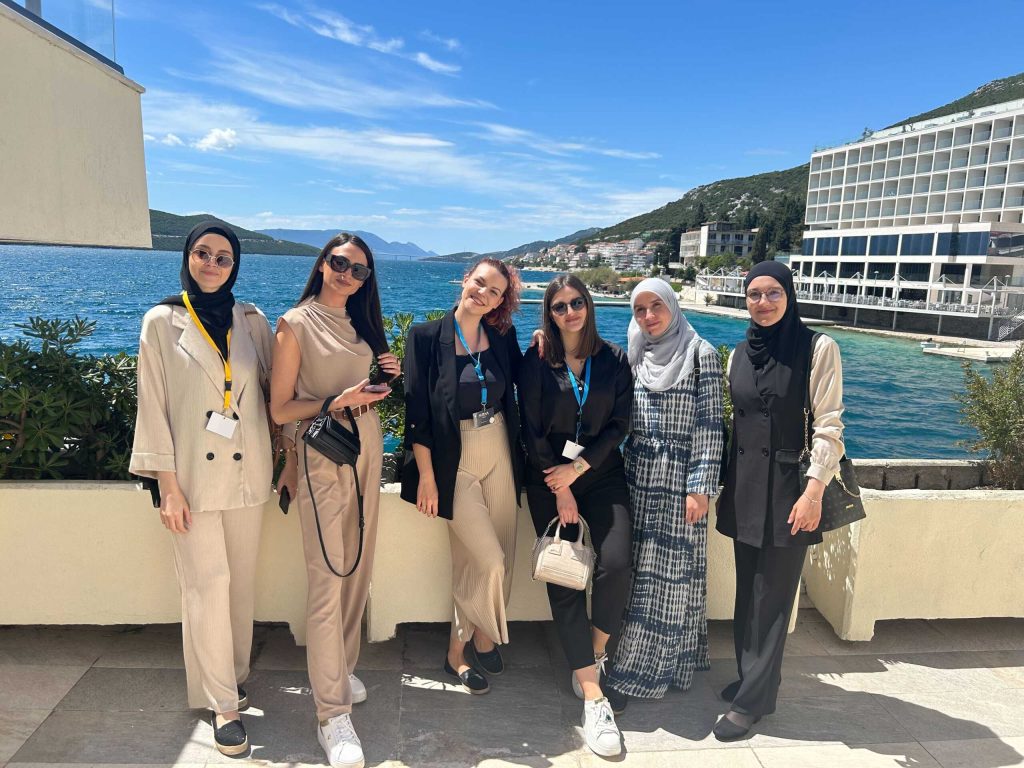
For many CEOs, time is the most constrained resource they have — and also the one least protected. Strategy gets squeezed between meetings. Big decisions are made in fragments. Burnout creeps in quietly.
A CEO retreat exists to interrupt that pattern.
Unlike a standard executive offsite or company retreat, a CEO retreat is a focused, in-person experience designed specifically for high-level thinking, leadership reflection, and long-term decision-making. Whether attended solo, with a coach, alongside peers, or with an executive team, these retreats create space CEOs simply can’t access inside the day-to-day demands of running a business.
Harvard Business Review has long written about the cost of constant reactivity at the executive level — particularly decision fatigue and the erosion of strategic thinking when leaders never step away from operational noise (Manage Your Energy, Not Your Time). CEO retreats are one of the few structures designed to counteract that reality. Gallup’s State of the Global Workplace Report (2023) found that highly engaged teams show 23% greater profitability.
In this guide, we’ll explore what a CEO retreat is, why they matter, the most effective retreat models, how to plan one intentionally, and real-world examples of retreats that drove clarity during critical moments of company growth and change.
What Is a CEO Retreat?

A CEO retreat is a structured pause — often offsite — designed to help business owners, founders, and co-founders step out of execution mode and back into strategic leadership.
CEO retreats can take many forms:
- A solo retreat focused on vision, planning, and personal recalibration
- A one-on-one retreat with an executive coach or advisor
- A peer or mastermind retreat with other entrepreneurs
- An executive team retreat centered on alignment and leadership effectiveness
What defines a CEO retreat isn’t the format — it’s the intention. These retreats exist to support the company’s success by giving the CEO space to think clearly, challenge assumptions, and reconnect with the bigger picture.
Why CEOs Need Retreats
Many CEOs delay retreats because they feel indulgent or non-essential. In practice, retreats are often most valuable precisely when leaders feel they “can’t afford the time.”
Strategic Solitude
McKinsey research on executive effectiveness consistently highlights how little uninterrupted thinking time senior leaders actually have — and how that lack of space degrades decision quality over time. CEOs spend most of their days responding, not reflecting.
A CEO retreat creates protected time for deep, uninterrupted strategic work without operational distractions.
Perspective and Big-Picture Focus
CEO retreats create the mental distance needed to ask harder questions:
- Is our strategy still the right one?
- What decisions am I avoiding?
- Where am I too close to see clearly?
HBR frequently emphasizes that leaders gain better judgment not by moving faster, but by stepping back at the right moments. Retreats formalize that pause.
Burnout Prevention and Renewal
Burnout isn’t just exhaustion — it affects judgment, empathy, and risk tolerance. Leadership research shows that sustained performance requires cycles of recovery, not just endurance.
Well-designed CEO retreats integrate wellness, movement, and reflection to support clarity and resilience, not just rest.
Connection and Engagement
Brian Elliott, CEO of Work Forward and advisor to executive teams navigating the future of work, often sees a clear pattern: when teams stop gathering in person, engagement drops.
In his work with leaders, teams that come together even once per quarter often see engagement increase by roughly 27%, with positive effects lasting four to five months before tapering off. His conclusion is practical, not philosophical: connection is a leadership lever, not a perk.
Common CEO Retreat Models
There’s no single “right” way to design a CEO retreat. The most effective format depends on the leader’s goals and the company’s context.
Solo CEO Retreats

Best for: Vision reset, deep thinking, personal recalibration
Typical duration: 1–3 days
Solo retreats are often held in quiet, inspiring environments — wellness resorts, ranch corporate retreats, or nature-based venues. Popular retreat locations include Costa Rica, Tulum, coastal California. These retreats emphasize solitude, journaling, reading, and long-range planning without external input.
Facilitated One-on-One Retreats
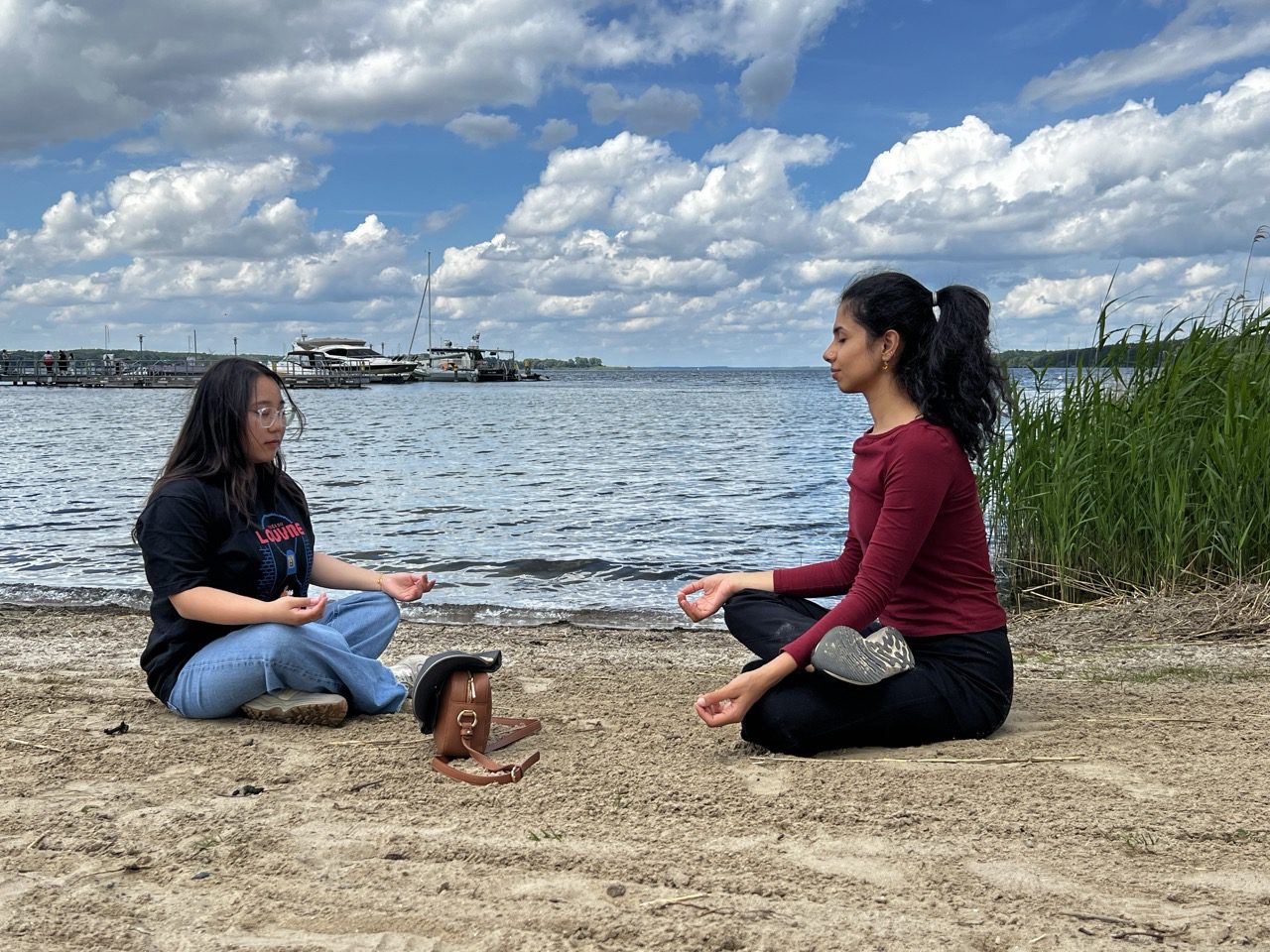
Best for: Decision-making, leadership development, accountability
Typical duration: 1–2 days
These retreats pair the CEO with an executive coach or business advisor. Many use frameworks such as EOS, OKRs, future-back planning, or Conscious Leadership to guide discussions and clarify priorities.
Peer or Mastermind Retreats
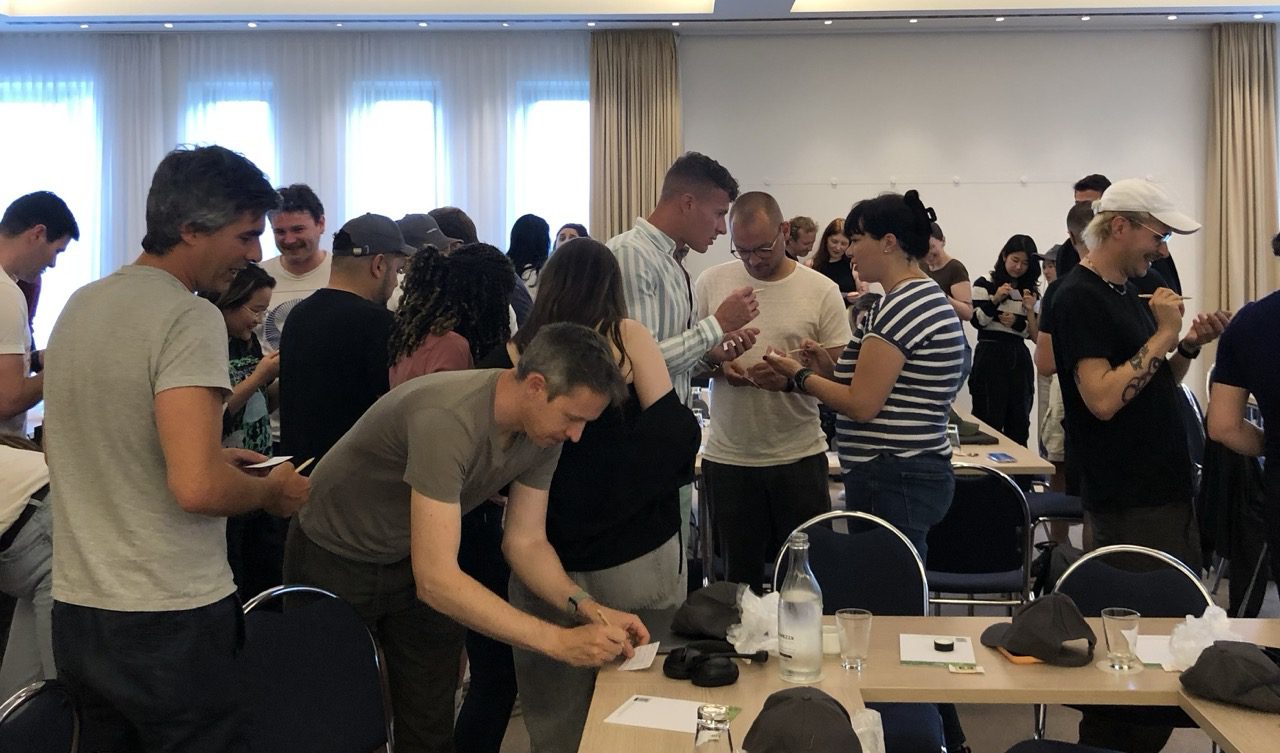
Best for: Perspective, challenge, shared learning
Typical duration: 2–4 days
Small-group retreats bring together entrepreneurs and CEOs facing similar challenges. McKinsey and HBR both point to peer learning as one of the fastest ways leaders refine judgment — not through advice alone, but through pattern recognition across experiences.
Executive Team Retreats

Best for: Alignment, trust, leadership cohesion
Typical duration: 2–3 days
While broader in scope, executive team retreats often center the CEO’s vision and leadership priorities. These retreats frequently overlap with leadership retreats or small staff retreats during moments of transition.
What Makes a CEO Retreat Effective
Location and Environment
CEO retreats work best in environments that encourage focus without isolation:
- Quiet, inspiring settings
- Limited distractions
- Strong venue accessibility and infrastructure
- High-end but understated accommodations
Equine retreats, ranch settings, and wellness-focused properties are increasingly popular because they slow leaders down physically and mentally — something HBR notes is essential for strategic clarity.
Intentional Structure
The most impactful retreats balance:
- Strategy sessions
- White space for thinking
- Physical movement
- Informal check-ins and reflection
As Brian Elliott puts it, “Don’t overstuff the burrito.” McKinsey echoes this in its leadership research: too much information in too little time reduces retention and insight.
Strategic Frameworks
Many CEO retreats rely on familiar tools:
- SWOT analysis
- OKRs (popularized by John Doerr in Measure What Matters)
- Vision and values mapping
- EOS-based strategy sessions
The value isn’t the framework itself — it’s having uninterrupted time to apply it honestly and without performance pressure.
Mind–Body Alignment
Effective retreats integrate wellness without forcing it. Nature walks, light exercise, journaling, and unstructured downtime improve cognitive clarity — a principle supported by both HBR and neuroscience-backed leadership research.
Real-World CEO Retreat Example: Certn

Following a company acquisition, Certn’s CEO Andrew McLeod brought his leadership team to Sydney, Australia for a retreat designed to unify the executive team and rebuild momentum.
Rather than centering the experience around boardroom sessions, the retreat focused on shared experiences:
- Climbing the Sydney Harbour Bridge
- A beach BBQ at Bondi Beach
- Exploring the harbor together
“Real connection happens outside the boardroom,” McLeod shared. “These shared experiences help us bond in ways that no Zoom call ever could.”
The retreat became one of the most talked-about moments in Certn’s history and played a key role in reinforcing leadership alignment during a critical transition. Today, Certn hosts biannual retreats for approximately 25 team members to continue strengthening culture and cohesion.
How to Plan a CEO Retreat
- Set clear retreat goals and objectives
Decide whether the focus is strategy, renewal, decision-making, or alignment. - Choose the right retreat model
Solo, facilitated, peer, or executive team. - Select a location that supports the mindset you need
Quiet, wellness-oriented, or nature-based environments often work best. - Design a flexible agenda
Blend strategy sessions with white space, movement, and reflection. - Plan for follow-through
Document insights, clarify decisions, and schedule post-retreat check-ins.
Retreat Facilitators and Providers
Hiring a facilitator or coach makes sense when:
- Decisions carry high stakes
- External challenge and perspective are needed
- Accountability matters
Look for executive coaching credentials, organizational development experience, and direct experience working with CEOs. Any affiliations or partnerships should be clearly disclosed to maintain trust.
Common Mistakes to Avoid
- Treating the retreat like a mini conference
- Overloading the agenda with presentations
- Choosing distracting or overly operational settings
- Skipping post-retreat implementation
- Ignoring personal well-being in favor of strategy alone
HBR consistently notes that reflection without integration leads to insight decay. The retreat is only half the work — execution follows (Why Strategy Execution Unravels—and What to Do About It).
Budgeting and Costs
CEO retreat costs vary widely depending on format:
- Solo retreats offer privacy at a lower cost
- Peer retreats share costs while offering curated experience
- Facilitated retreats require higher investment but often produce deeper outcomes
Expenses may include travel, accommodations, facilitation fees, and venue costs. Some expenses may be tax deductible; consult a professional for guidance.
Final words: Are CEO Retreats Worth It?
For leaders responsible for a company’s success, clarity is not optional.
CEO retreats aren’t indulgent — they’re strategic infrastructure. McKinsey’s leadership research repeatedly shows that organizations outperform when leaders create intentional space for thinking, alignment, and renewal.
The most effective CEOs don’t retreat because something is broken. They retreat because perspective, clarity, and renewal are part of sustainable leadership.
Frequently Asked Questions About CEO Retreats
What is a CEO retreat?
A CEO retreat is a focused, in-depth leadership experience designed to help founders and executives step away from daily operations and think strategically about the future of their business. Unlike a general company offsite, a CEO retreat centers on high-level decision-making, leadership skills, and long-term vision. These retreats often involve curated discussions, reflection time, and facilitated sessions with business coaches or peer executives.
What does a CXO or CEO retreat typically look like?
A CEO or C-suite retreat often spans one or more retreat days and blends strategic work with intentional space to recharge. A typical agenda may include facilitated planning sessions, leadership reflection, business development workshops, and time for real-time problem solving. Some retreats are solo experiences, while others include small peer groups or executive teams focused on alignment and growth.
What are the benefits of attending a CEO retreat?
CEO retreats provide leaders with the clarity and distance needed to think beyond day-to-day execution. Benefits often include stronger leadership skills, sharper strategic direction, renewed energy, and more confident decision-making. Many executives report that the most valuable outcome is gaining perspective—allowing them to operate at the next level rather than staying stuck in operational mode.
Are corporate retreats worth it?
For many organizations, yes—when designed intentionally. A well-structured executive retreat can lead to measurable improvements in leadership effectiveness, team alignment, and business performance. The most impactful retreats prioritize transformative experiences over surface-level activities and are aligned with clear strategic outcomes rather than generic team bonding.
What activities are typically included in a CEO retreat?
Activities vary depending on goals, but commonly include strategic planning sessions, guided reflection, leadership assessments, facilitated discussions, and curated experiences that support mental clarity and creativity. Many retreats balance focused working sessions with restorative elements to help leaders fully recharge while still producing meaningful outcomes.
How much does a corporate retreat cost?
Costs can vary widely depending on location, length, facilitation, and experience level. A single-day retreat may cost significantly less than a multi-day immersive experience with external business coaches or executive facilitators. Pricing often reflects the depth of customization, level of expertise involved, and the overall retreat experience rather than just accommodation or venue costs.
What’s the #1 reason CEOs are fired?
The most common reason CEOs lose their roles is not technical failure—it’s leadership misalignment. This can include poor communication, inability to adapt, lack of strategic clarity, or failure to evolve with the organization. CEO retreats often exist specifically to address these challenges before they escalate, offering space for reflection, recalibration, and growth.
Disclaimer
Every CEO retreat is different. Outcomes depend on leadership goals, facilitation quality, and participant engagement. This content is intended for informational purposes only and does not constitute professional or financial advice.
Author Bio
Danielle Leung
Danielle Leung is the Social Media Manager at RetreatsAndVenues, where she helps shape the brand’s voice and content strategy. She writes the company’s monthly newsletter and contributes to the blog. With a background in marketing across a range of industries, Danielle is passionate about meaningful storytelling, community, and the future of work.