
Company weekend retreats aren’t the most common company retreat format — and they’re not meant to replace longer workweek offsites or extended corporate retreats that last a full week or more. In reality, most organizations still prefer retreats that happen during business days or as part of a larger retreat experience.
That said, weekend offsites continue to play an important role when they’re used intentionally and for the right reasons.
Based on real retreat statistics, hands-on retreat planning experience, and years of working with start-ups, remote teams, leadership groups, and executive teams, weekend retreats work best as a strategic tool — not a default option.
This guide breaks down when a company weekend retreat makes sense, which types of teams benefit most, and how to design a retreat experience that delivers real value without burnout.
What Is a Company Weekend Retreat?

A company weekend retreat is an in-person corporate retreat that overlaps with a Saturday and Sunday. These retreats typically combine:
- Focused, work-related sessions
- Structured and informal team-building activities
- Wellness, downtime, and free time for team members
Unlike a one-day offsite or a traditional corporate event, weekend retreats are intentionally short and focused. They work best when there’s a clear reason for choosing the weekend, not just convenience.
Weekend retreats are commonly used by these type of retreats:
- Remote teams meeting in person for alignment
- Leadership teams and executive retreats
- CEO retreats and board alignment sessions
- Small staff retreats and staff retreats for small teams
Weekend Retreats vs. Workweek Retreats: The Reality

From real planning data, weekend retreats are less popular than:
- Workweek offsites
- Extended retreats (7+ days)
- Annual all-hands gatherings
Many companies hesitate to plan weekend retreats because:
- Team members value their personal time
- Participation can feel optional or uneven
- Expectations must be clearly communicated
Still, companies continue to choose weekend retreats when the context makes sense and the benefits outweigh the tradeoffs.
When a Weekend Company Retreat Is the Right Choice
1. When the Retreat Is Aligned With a Larger Event

Weekend retreats work particularly well when they’re aligned with a larger corporate event, such as:
- Conferences
- Exhibitions
- Festivals
- Industry gatherings
In these cases, the retreat complements an existing in-person moment rather than competing with work schedules.
One example: a multi-day music festival retreat hosted at Lanier Islands Legacy Lodge, timed intentionally around a scheduled festival weekend. Because the event date was fixed, extending the retreat into the weekend felt natural and expected — not like an ask.
This same logic applies to teams attending:
- Trade shows
- Company-hosted conferences
- Industry meetups
Here, the weekend becomes part of the shared experience, not a sacrifice.
2. Executive and Leadership Retreats for Small Groups
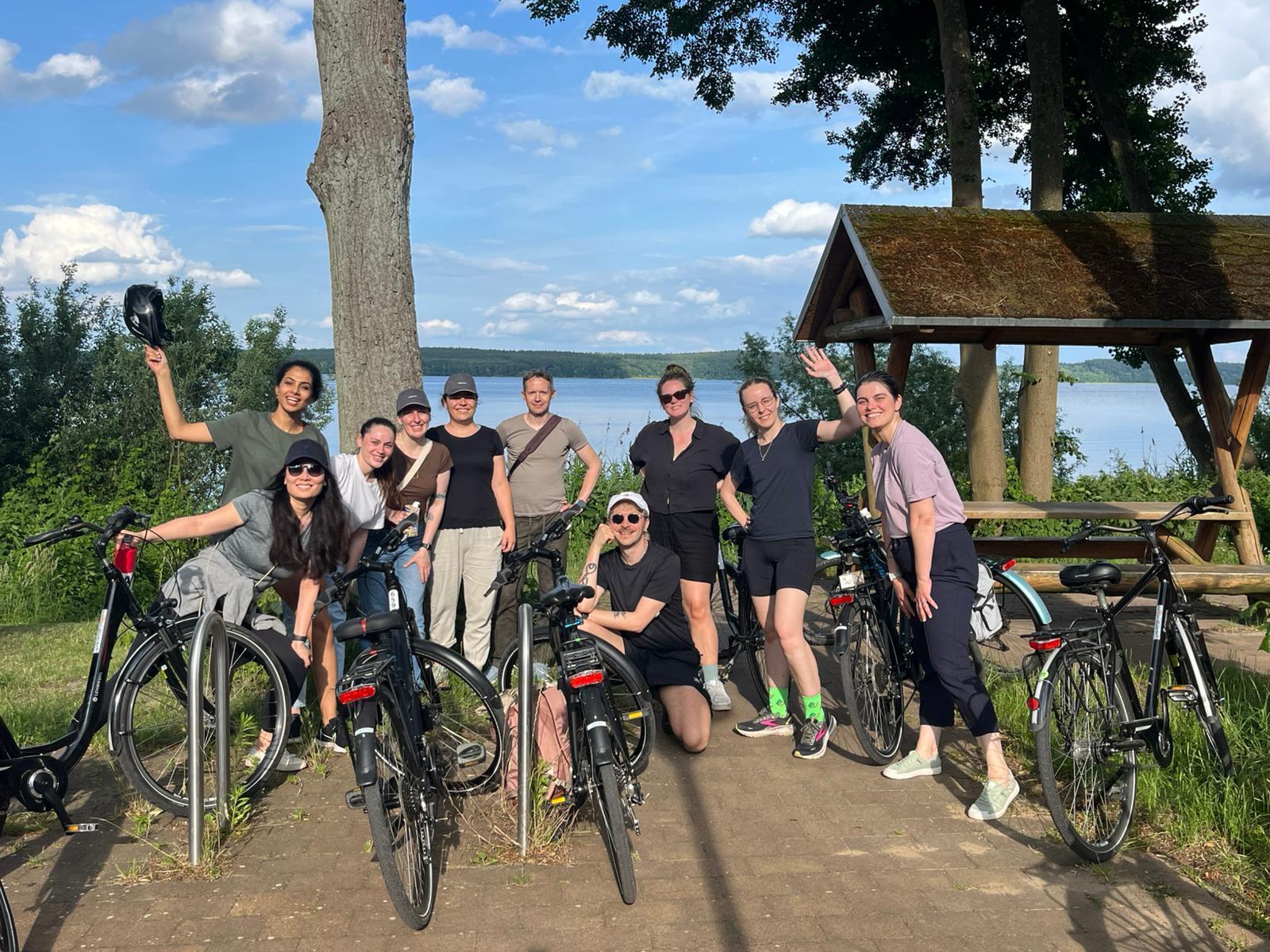
Weekend retreats are especially effective for:
- Executive retreats
- Leadership retreats
- CEO retreats and board alignment sessions
For smaller groups of senior leaders, a weekend offsite allows teams to step away from daily operational pressure and focus on strategic planning, alignment, and company culture.
In practice, executive weekend retreats often include:
- Short, focused strategy sessions in a private meeting space or conference room
- Built-in downtime and free time
- Wellness experiences like spa circuits, guided nature outings, or paddle sports
- Low-pressure team bonding that builds trust and camaraderie
These retreats are usually two to three nights and work well as either a reset or a reward.
3. When a Smaller Group Meets Ahead of a Larger All-Hands

Another strong use case for a weekend retreat is pre–all-hands alignment.
We’ve seen this work especially well with remote teams. In one example, a fully remote product studio brought a smaller leadership and planning group together in Vancouver, BC for a focused weekend retreat ahead of a much larger all-hands in Whistler. The goal wasn’t to cover everything — it was to align on priorities, clarify messaging, and pressure-test decisions before the full team arrived.
That kind of upfront alignment tends to pay off quickly. It often:
- Improves outcomes for large groups
- Reduces friction during the main all-hands
- Creates a clearer, more confident kickoff for the broader retreat
In this context, the weekend retreat acts as a supporting layer. It strengthens the larger offsite rather than trying to replace it.
If Canada is on your radar for this type of setup, there are several retreat venues that work well for smaller leadership groups and pre–all-hands gatherings. We’ve put together a shortlist of some of the best corporate retreat venues in Canada here: https://retreatsandvenues.com/CA/venues/corporate-retreats
4. When Time Is Limited but Alignment Is Critical
Weekend retreats are sometimes the right choice when:
- Schedules are difficult to coordinate
- Leadership alignment is time-sensitive
- Teams need a meaningful in-person touchpoint
Rather than waiting months for a longer retreat, some companies opt for a focused weekend offsite to address:
- Strategic planning
- Organizational changes
- Leadership transitions
Because the timeframe is short, agendas must be realistic and tightly designed.
Choosing the Right Venue for a Weekend Retreat
The success of a weekend retreat often comes down to how easy the experience feels.
When evaluating retreat venues, consider:
- Venue accessibility and travel time
- Onsite meeting space and conference rooms
- Transparent pricing and clear contracts
- All-inclusive vs. flexible options
- Amenities that support wellness and downtime
For a 40-person international team retreat outside Barcelona, EcoResort Mas Salagros worked well because meetings, meals, and accommodations were all onsite. A nearby visit to Aire Ancient Baths added a memorable wellness outing without complicating the planning process.
Urban retreat locations like OPUS Vancouver or sly Berlin allow teams to balance structured sessions with city outings, casual dinners, and informal team bonding.
Designing a Weekend Retreat Agenda That Works
A common mistake in retreat planning is trying to replicate a full workweek retreat in two or three days.
Weekend retreats work best when the agenda is intentionally lighter.
Sample Weekend Retreat Agenda (Friday–Monday)
Day 1: Arrival
- Arrival and check-in
- Welcome happy hour
- Casual dinner or icebreaker
Day 2: Strategy and Teamwork
- Morning brainstorming and strategic planning sessions
- Afternoon retreat activities such as:
- Scavenger hunt
- Escape rooms
- Cooking class
- Scavenger hunt
- Evening social time: board games, karaoke, or storytelling by the fire pit
Day 3: Connection and Free Time
- Optional wellness activities
- Free time or informal outings
- Group dinner
Day 4: Wrap-Up
- Short recap and kickoff session
- Clear next steps
- Departure
Balance is everything — enough structure to support teamwork and problem-solving, with enough downtime to build genuine connection.
Team-Building and Retreat Activities That Work Well on Weekends

Weekend retreats allow for unique corporate retreat activities that don’t always fit into a one-day offsite.
Popular retreat activities include:
- Scavenger hunts and escape rooms for problem-solving
- Cooking classes for team bonding
- Board games and casual competitions
- Karaoke and evening social events
- Wellness activities that support employee well-being
Because there’s more time, participation feels optional rather than forced — which often leads to stronger employee engagement.
Costs, Pricing, and Practical Considerations

A common question we hear during the planning process is: How much do corporate retreats cost?
Pricing varies based on:
- Retreat location
- Group size
- All-inclusive pricing models
- Travel, activities, and accommodation
Typical costs include:
- Lodging
- Meeting space
- Food and beverage
- Retreat activities
- Transportation
- Swag and branded materials
Some teams also ask whether retreats are tax deductible. This depends on jurisdiction and how clearly the retreat agenda is work-related.
When should you start planning your offsite to get the best pricing?
Ideally, 3–6 months in advance — especially for weekend availability.
Final Thoughts: Are Company Weekend Retreats Worth It?
Company weekend retreats aren’t a one-size-fits-all solution — and they shouldn’t be treated as one.
They work best when they’re:
- Aligned with a specific event or business goal
- Designed for leadership teams or small staff retreats
- Used to support, not replace, longer retreats
- Planned intentionally with clear retreat goals and objectives
When used strategically, a weekend retreat can deliver meaningful alignment, stronger company culture, and a shared experience teams carry forward — without trying to be everything at once.