
Staff retreats for small teams are one of the most effective, and often underestimated, ways to strengthen company culture, improve teamwork, and prevent burnout. We talk to teams every week who know they want to get everyone together, but aren’t sure how to make the time, cost, and effort truly worth it.
Whether your team works remotely, hybrid, or in-person, stepping away from the day-to-day work environment creates a shared experience that’s hard to replicate anywhere else. It’s often where trust deepens, conversations open up, and new ideas surface naturally.
Unlike large corporate retreats, small team retreats offer something uniquely powerful: intimacy. With fewer staff members, it’s easier to design people-first experiences, create psychological safety, and foster genuine camaraderie, without forced icebreakers or overpacked agendas or abstract retreat ideas.
Below, we’ll explore why staff retreats are especially valuable for small teams, how to plan them thoughtfully, and real-world examples from companies that have seen meaningful results from team retreats, offsites, and work retreats.
Why Staff Retreats Are Especially Valuable for Small Teams
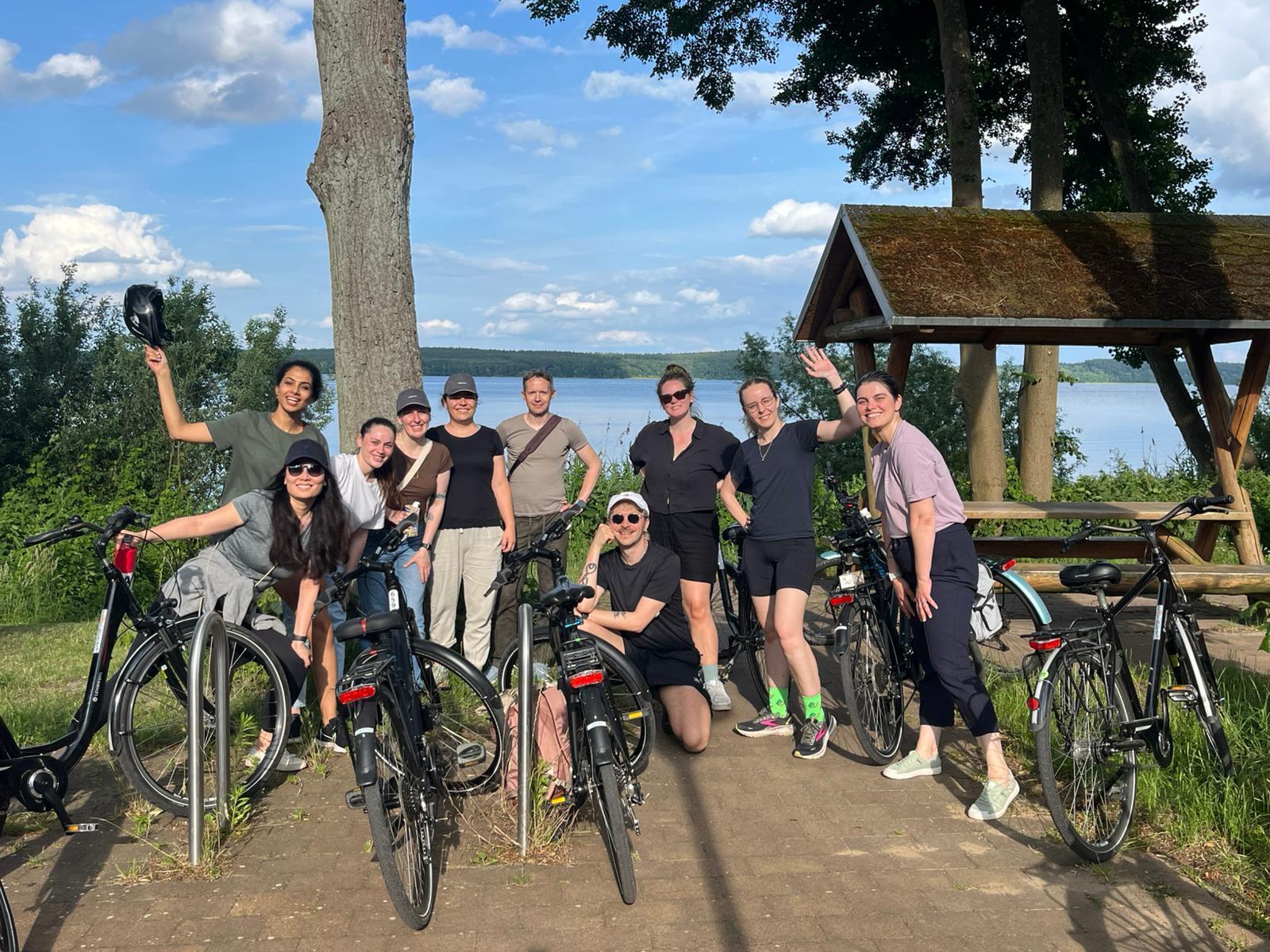
Small teams rely heavily on trust, communication, and collaboration. When relationships strain, especially in high-pressure or remote work environments, productivity and morale tend to feel it first.
Well-planned staff retreats help small teams:
- Build trust and psychological safety
- Strengthen teamwork and problem-solving
- Improve openness and honesty
- Reduce burnout and support well-being
- Create alignment around goals and priorities
Because small groups work so closely together day-to-day, even small shifts in connection can have an outsized impact on company culture.
As Andrew McLeod, CEO of Certn, shared with us after a leadership retreat in Sydney, Australia:
“Real connection happens outside the boardroom. These shared experiences help us bond in ways that no Zoom call ever could.”
Before you get started, remember to sign-up with us, it can take 30 seconds
See exclusive retreats and venuesPlanning Essentials for Small Team Retreats
1. Define Your Retreat Goals and Objectives

Before choosing activities or a retreat venue, it helps to be clear on why you’re gathering in the first place. Is this retreat about strategic alignment? Team bonding? Wellness and burnout prevention? Brainstorming and new ideas?
When teams skip this step, retreats often feel busy but unfocused. Clear goals guide every decision, from agenda design to how much downtime you intentionally build in.
2. Choose the Right Format
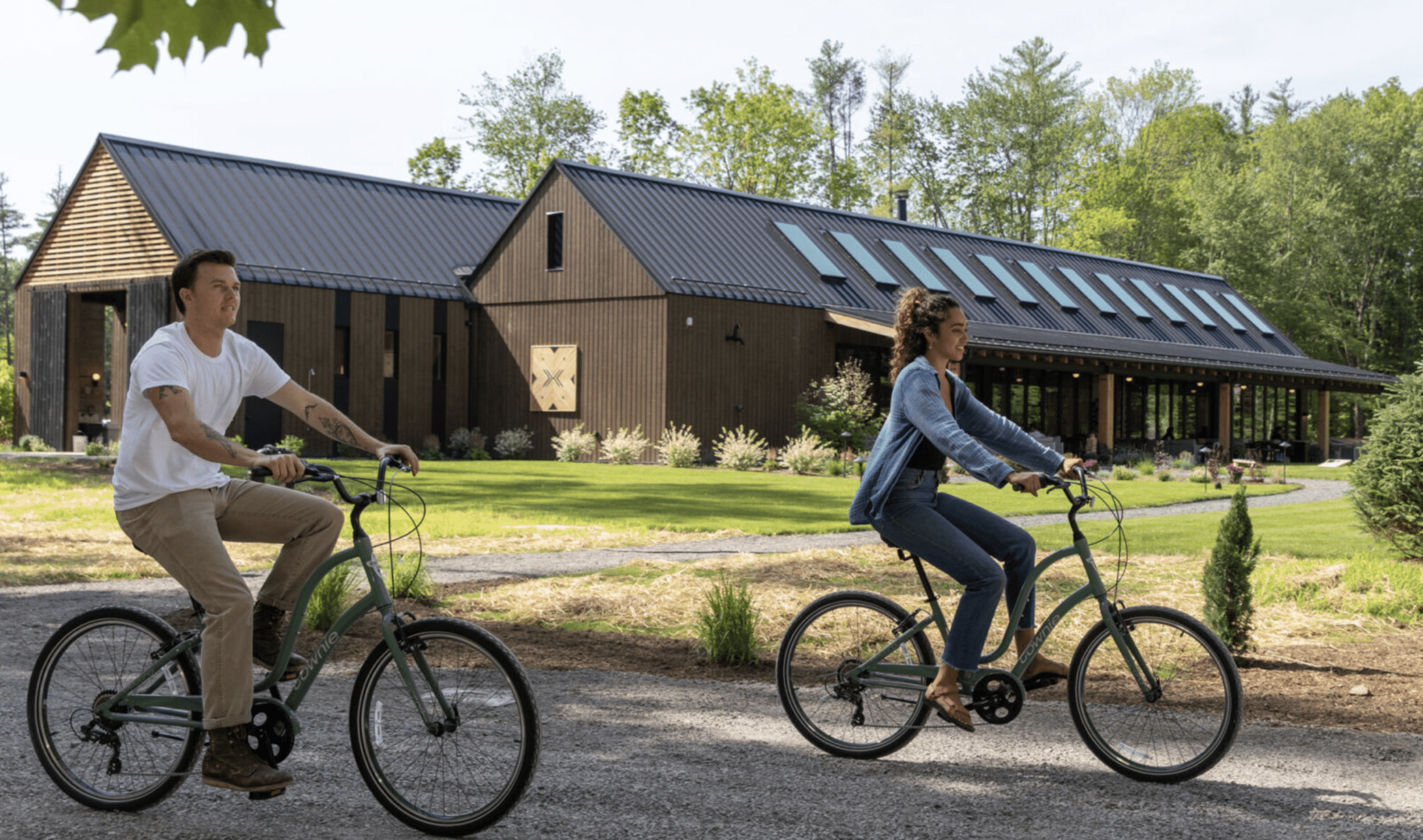
Small teams tend to benefit from flexible retreat formats:
- One-day or day retreats for alignment and brainstorming
- Full-day or weekend retreats for deeper bonding
- Company weekend retreats for remote teams meeting in person
- Virtual retreats when travel isn’t possible
For fully remote teams, in-person offsites are often especially impactful, particularly if people have never worked together face-to-face.
3. Budgeting, Costs, and Logistics

We’re often asked questions like What’s the average cost of a retreat? or How much does a corporate wellness retreat cost? The answer depends on travel, retreat venue accessibility, length, and how much programming you plan.
Many small teams keep costs manageable by hosting local offsites, simplifying agendas, or focusing on fewer, higher-quality retreats each year. Depending on your location and company structure, some expenses may also be tax deductible, it’s always worth checking with an accountant early in the planning process.
Theme-Based Retreat Structures for Small Teams

Themes can be a helpful way to structure a retreat without overloading the agenda.
Strategy and leadership retreats work well for executive retreats, CEO retreats, or post-merger alignment. These tend to focus on high-level goals and decision-making, balanced with informal connection time.
Wellness and well-being retreats are designed to help teams unplug from day-to-day work. These often include outdoor activities, spa access, free time, and space to reset both mentally and physically.
Skills-sharing or learning retreats lean into hands-on workshops, peer-led sessions, and collaborative brainstorming, formats that work particularly well for small groups.
Remote or hybrid team reconnection retreats prioritize in-person connection for teams used to working across time zones or screens.
Team-Building Activities That Actually Work for Small Teams
One thing we’ve seen again and again while recording the podcast is that the most successful team-building activities don’t feel like “activities” at all. Across dozens of company retreats, a few clear patterns show up consistently.
Unstructured, People-First Experiences
At Edge & Node, Chief of Staff Caroline Ferreira hosted a senior leadership retreat at Carillon Miami Wellness Resort. The moments that left the biggest impression weren’t formal sessions, they happened in between.
“The spa circuit, gym, and beach created natural bonding, not forced environments outside traditional meeting spaces.”
Long team dinners, informal hangouts, and shared downtime consistently create deeper connections than tightly packed agendas ever do.
Employee-Led, Autonomy-Driven Activities
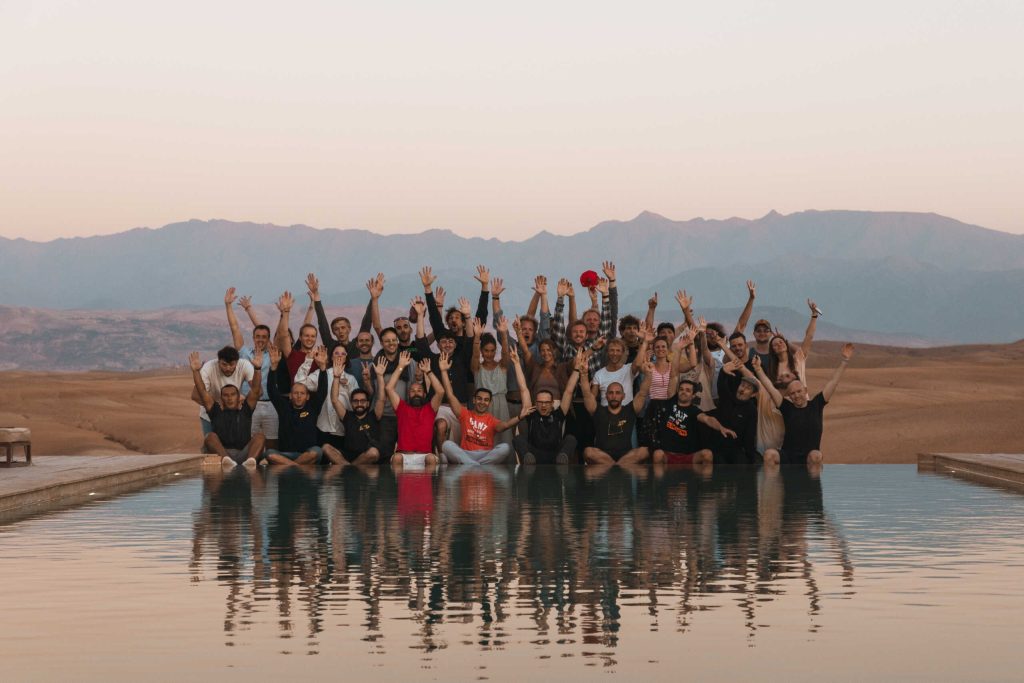
Giant Swarm, a 100% remote company for over a decade, uses an open space format at their offsites. Employees choose discussions they care about, guided by the “rule of two feet”: if you’re not contributing or learning, you’re free to move on.
This approach builds trust, encourages autonomy, and works especially well for small groups where everyone’s voice matters.
Fun, Light Competition That Creates Shared Memories
Some of the most talked-about moments come from surprisingly simple activities: escape rooms, cornhole tournaments, karaoke nights, trivia, board games, or scavenger hunts.
At Samdesk, a casual cornhole game on a riverboat turned into a lasting team memory.
“Months later, people were still talking about who their partner was and their near win. It became part of our team’s culture.”
The goal isn’t winning, it’s creating a shared experience people remember.
Contextual and Meaningful Experiences
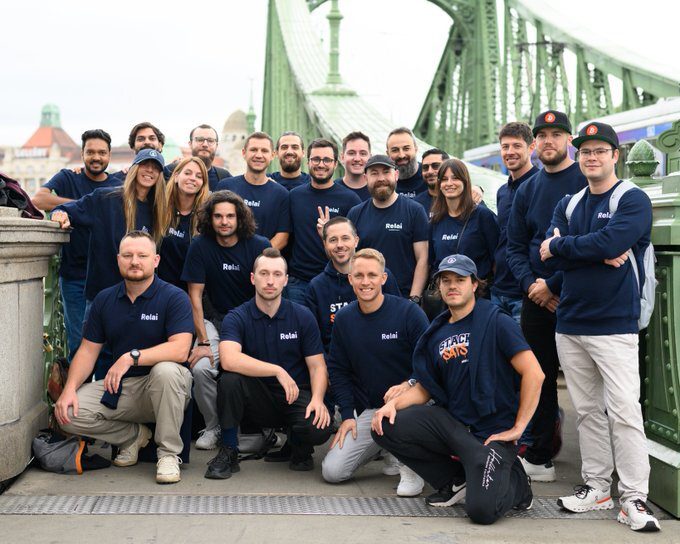
Activities tied to company identity often have the greatest impact. Wine tastings, cultural exploration, or visits connected directly to the company’s mission, like Relai’s visit to the Satoshi statue, tend to resonate more deeply than generic team-building exercises.
These experiences reinforce company culture while giving teams a genuine change of scenery.
What to Avoid: “Death by PowerPoint”
Brian Elliott, CEO of Work Forward, summed it up perfectly:
“Don’t overstuff the burrito.”
Trying to do too much in one retreat leads to fatigue. The most effective offsites blend social time, meals, light structure, and space for organic connection.
What the Research Says About Team Retreats
Research consistently shows that intentional, in-person connection has a measurable impact on trust, engagement, and performance, especially for small and remote teams.
- Harvard Business Review identifies psychological safety as the strongest predictor of high-performing teams. In The New Science of Building Great Teams, HBR explains that trust and open communication are built through shared experiences, something retreats are uniquely positioned to create.
- SHRM (Society for Human Resource Management) reports that employees who feel socially connected at work are less likely to experience burnout and more likely to stay with their organization. Their research on workplace well-being highlights the importance of stepping away from daily routines to strengthen relationships.
- A Gallup workplace study found that employees who report having strong personal connections at work are significantly more engaged, productive, and resilient. These relationships are often formed outside formal meetings, over shared meals, informal conversations, and unstructured time.
These findings reinforce what small teams experience firsthand: retreats don’t just improve morale in the moment, they improve how people collaborate long after the retreat ends.
Real-World Small Team Retreat Examples
At Edge & Node, a senior leadership retreat in Miami focused on strategic alignment and wellness. Unexpected personal bonding led to more open, productive conversations once the team returned to work.
Common Staff Retreat Pitfalls (and How to Avoid Them)

The most common issues we see are over-structured agendas, ignoring different personality types, excluding remote or introverted team members, and skipping follow-up once everyone returns home.
Meaghan Williams from HubSpot recommends gathering input ahead of time using anonymous forms. This simple step helps ensure activities are inclusive and allows people to show up as themselves once they’re there.
Tools and Resources for Retreat Planning
Simple tools go a long way. Google Forms help collect preferences and accessibility needs, while tools like Trello or Notion keep agendas and logistics organized. Post-retreat surveys are one of the easiest ways to understand what actually worked.
For deeper reading, research from Harvard Business Review, SHRM, and Gallup offers helpful insights into team dynamics, engagement, and well-being.
Small Team Retreat Planning Checklist
Use this checklist to plan a staff retreat that feels intentional, inclusive, and genuinely valuable, without overloading the agenda.
Before the Retreat
☐ Define 1–2 clear retreat goals (connection, alignment, wellness, strategy)
☐ Choose the right format (one-day, weekend, offsite, virtual, or hybrid)
☐ Set a realistic budget (travel, accommodation, food, activities)
☐ Select a retreat venue that supports connection, not just meetings
☐ Collect anonymous team input on preferences, accessibility, and energy levels
☐ Build in buffer time and avoid a fully packed schedule
Planning the Experience
☐ Balance light structure with unstructured social time
☐ Avoid back-to-back meetings or long presentation blocks
☐ Include at least one shared, memorable experience
☐ Design activities that work for introverts and extroverts
☐ Assign a facilitator or point person to guide the flow
During the Retreat
☐ Reiterate the purpose and expectations at the start
☐ Encourage participation without forcing it
☐ Leave space for organic conversations and downtime
☐ Capture insights, ideas, and reflections as they come up
After the Retreat
☐ Send a short post-retreat survey within 48 hours
☐ Share key takeaways and decisions with the team
☐ Translate insights into clear next steps
☐ Schedule a follow-up check-in to maintain momentum
Download our Checklist as a PDF!
Final Thoughts
Staff retreats for small teams don’t need massive budgets or packed agendas to be effective. Backed by research and reinforced by real-world examples, one thing is clear: small, thoughtfully designed retreats can have an outsized impact on trust, engagement, and team performance.
You don’t need to get everything right the first time. Start small, listen to your team, and build from there.
Frequently Asked Questions
What is a company retreat?
A company retreat is a planned gathering where team members step away from daily work to focus on connection, alignment, and shared goals.
What makes a great staff retreat?
Clear goals, inclusive planning, meaningful activities, and plenty of downtime.
What are virtual team retreats?
Remote-friendly retreats that use online tools to create connections when in-person travel isn’t possible.
How can small teams benefit from a staff retreat?
Stronger trust, better communication, improved teamwork, and reduced burnout.
How do you plan the perfect one-day retreat?
Focus on one main objective, keep the agenda light, and prioritize shared experiences over packed schedules.
About the author
Danielle Leung is the Social Media Manager at RetreatsAndVenues, where she helps shape the brand's voice and content strategy. She writes the company's monthly newsletter and contributes to the blog. With a background in marketing across a range of industries, Danielle is passionate about meaningful storytelling, community, and the future of work.