 Destination:South KoreaDestination:South Korea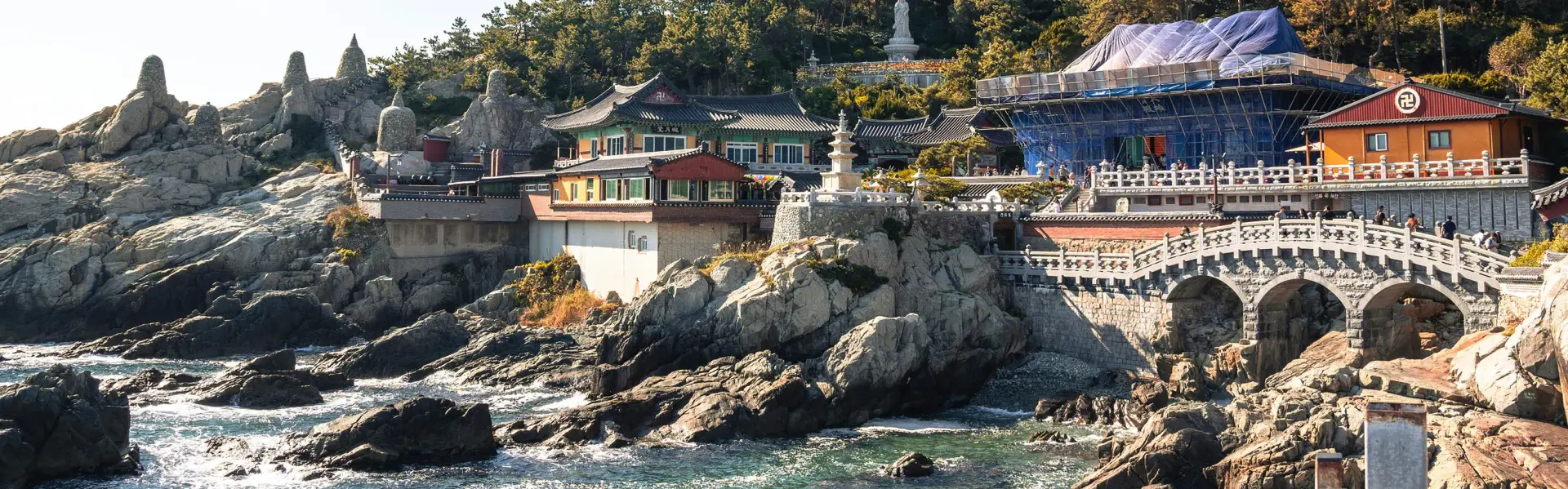
Plan it yourself or with a retreat expert. Always free to use.
Ultimate guide for corporate retreats in South Korea
Plan it yourself or with a retreat expert. Always free to use.
Corporate retreats in South Korea are a powerful choice for teams that want a modern, high-energy destination with deep culture and world-class hospitality. From Seoul and historic sites like Gyeongbokgung Palace to coastal escapes in Busan and nature-driven resets on Jeju Island, South Korea offers an unforgettable mix of focus and experience. With excellent infrastructure, flexible venues, and high-impact team bonding opportunities, it's an ideal setting for an offsite that feels both productive and memorable.
Climate
Monthly weather in Seoul
15km/h
16km/h
15km/h
15km/h
14km/h
12km/h
13km/h
12km/h
13km/h
13km/h
15km/h
16km/h
Wind speed
| Month | High temperature (°C) | Low temperature (°C) | Monthly precipitation (mm) | Average wind speed (km/h) |
|---|---|---|---|---|
| Jan | 2° | -5° | 36mm | 15 km/h |
| Feb | 3° | -4° | 43mm | 16 km/h |
| Mar | 11° | 3° | 48mm | 15 km/h |
| Apr | 17° | 8° | 62mm | 15 km/h |
| May | 22° | 14° | 67mm | 14 km/h |
| Jun | 27° | 19° | 53mm | 12 km/h |
| Jul | 29° | 24° | 250mm | 13 km/h |
| Aug | 30° | 24° | 107mm | 12 km/h |
| Sep | 27° | 20° | 34mm | 13 km/h |
| Oct | 20° | 13° | 38mm | 13 km/h |
| Nov | 13° | 5° | 20mm | 15 km/h |
| Dec | 5° | -3° | 17mm | 16 km/h |
Pricing
Average accommodation prices in Seoul
What's nearby
Explore venues and points of interest around Seoul
Activities
What to do in Seoul
- Shopping
- Restaurants
- Golf
- Biking
- Historic Sites
- Waterfalls
- Sailing
- Swimming
Direct flight times from major cities
Seoul · Incheon International Airport (ICN) · 150+ direct international routes
| City | Flight time | Arrival time difference |
|---|---|---|
| San FranciscoAmericas | ~12 hr | 16 hrs differenceHard |
| TorontoAmericas | ~14 hr | 13 hrs differenceHard |
| New YorkAmericas | ~15 hr | 13 hrs differenceHard |
| LondonEurope | ~14 hr | 8 hrs differenceHard |
| TokyoAsia & Pacific | ~3 hr | Same timeNone |
| SingaporeAsia & Pacific | ~6 hr | 1 hr differenceEasy |
| SydneyAsia & Pacific | ~10 hr | 2 hrs differenceEasy |
| DubaiMEA | ~9 hr | 5 hrs differenceModerate |
Popular cities in South Korea
The most popular cities for corporate retreats in South Korea.
 SeoulSeoulPhoto by NK Lee on Unsplash
Other popular destinations, and collections to explore


You got questions,
we have answers
Why choose South Korea for a corporate retreat?
South Korea is ideal for teams that want a retreat that feels modern, fast-moving, and genuinely inspiring. The country combines world-class infrastructure with cultural depth, which makes it perfect for corporate retreats that need both productivity and experience. South Korea also supports retreats for both smaller leadership groups and larger groups with complex agendas. It's an especially strong option for international teams across Asia-Pacific, Europe, and the Middle East looking for a central hub with high quality. If you want a corporate retreat that people will actually remember, South Korea delivers.
What is the best time of year to hold a corporate retreat in South Korea?
Spring and autumn are often the best times for retreats in South Korea, offering comfortable weather and great conditions for city exploration and outdoor programming. Summer works well for coastal retreats and swimming pool-focused venues, but it can be hot and humid in Seoul. Winter can be effective for planning-heavy offsites and wellness-driven programmes, especially if your agenda is primarily indoor. Shoulder seasons also tend to offer better availability and stable travel conditions. The best season depends on whether you want outdoor exploration or a more workshop-heavy format.
What types of venues are available in South Korea for corporate retreats?
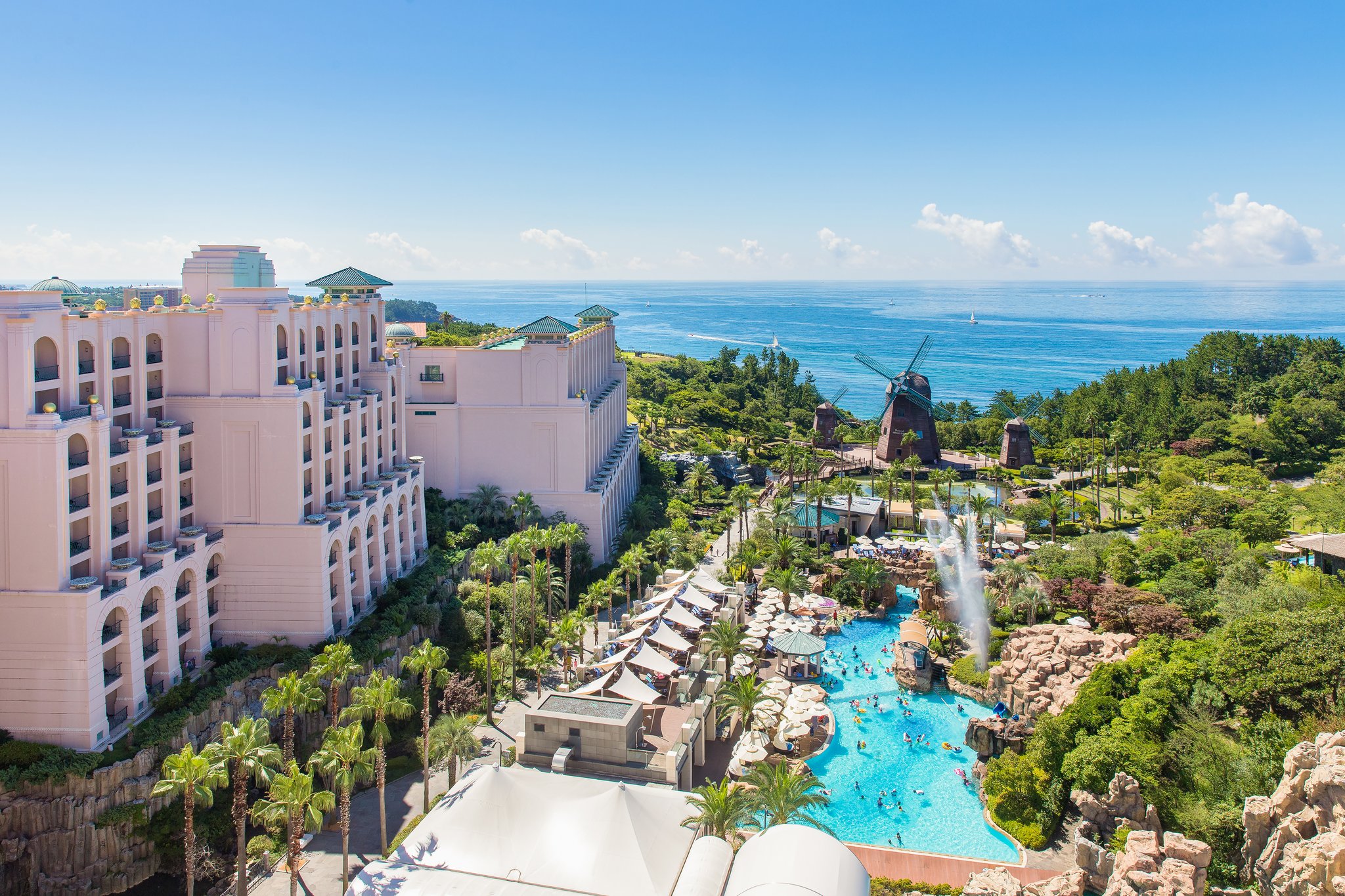
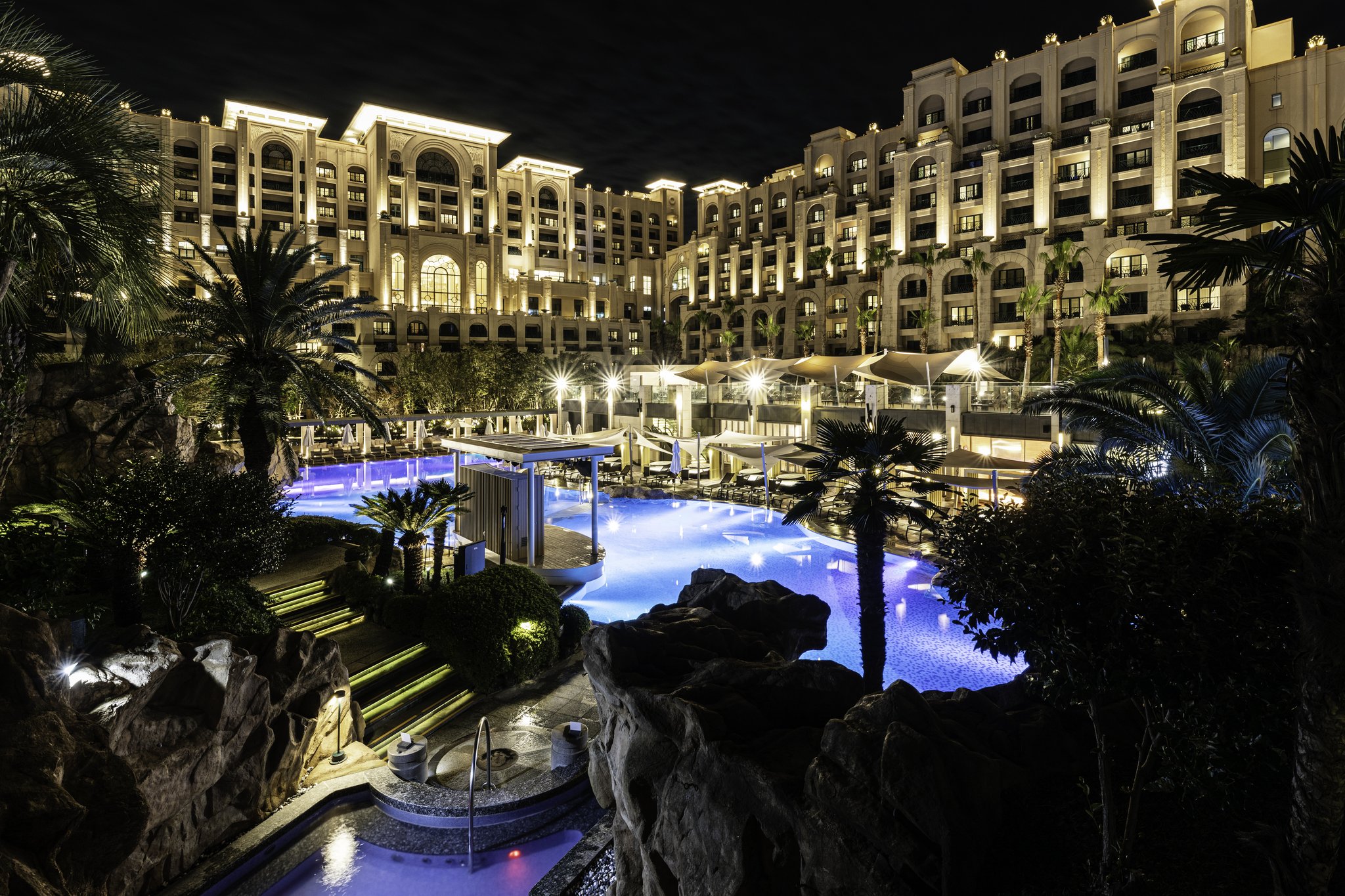
South Korea offers a wide range of venue types, from modern hotels and conference venues in Seoul to coastal resorts and island retreats. Many venues include flexible event space options that can support workshops, presentations, and structured team sessions. Corporate groups can choose from business-first meeting formats or more immersive retreat-style environments. Some destinations also offer venues with leisure amenities like a swimming pool, which works well for incentive-style agendas. The best venue type depends on your group size, schedule intensity, and desired retreat tone.
What is the typical budget for a corporate retreat in South Korea?
Budget depends on region, season, group size, and how curated your programme is. Seoul-based retreats can range from mid-tier to premium depending on venue category and agenda complexity. Costs increase if you include private experiences, high-end accommodations, and multi-city itineraries. Your overall price also depends on whether the retreat is a work-heavy offsite or a reward-style company retreat with activities built in. Many teams find South Korea offers strong value because the quality of service and infrastructure is consistently high.
What team-building activities are available in South Korea?
South Korea is excellent for team building because it supports both structured corporate formats and culture-driven bonding. Teams often choose team building activities that include guided cultural exploration, collaborative challenges, and food-based experiences that naturally encourage connection. A popular modern theme is “Squid Games”-style challenges, which can be adapted into safe, inclusive activities for teams who want something playful and memorable. For deeper cultural immersion, teams may visit a traditional Korean village or a hanok village for a calmer bonding experience. The best activities create shared memory without forcing uncomfortable participation.
Is language a barrier when organizing a corporate retreat in South Korea?
Language is rarely a barrier, especially in Seoul and major destinations where international business travel is common. Many corporate-friendly venues and suppliers can operate in English, and professional event support is widely available. For international teams, using bilingual facilitation or local coordination can help ensure smooth execution. The country's strong service culture also reduces friction in planning and logistics. Most challenges come from scheduling and pacing, not communication.
How easy is transportation in South Korea for corporate retreats?
Transportation is one of South Korea's strengths, especially for international groups arriving via Incheon. Seoul has excellent transit options, and high-speed rail makes it easy to reach other regions for multi-destination retreats. Busan is well-connected and works well for teams combining city and coastline. For Jeju Island programmes, flights are straightforward and often integrated into retreat logistics. With the right planning, teams can move efficiently without losing time or energy.
What are the best regions in South Korea for corporate retreats?
Seoul is ideal for high-energy corporate events, leadership offsites, and teams who want a mix of modern culture and business infrastructure. Busan is perfect for coastal retreats, especially around Haeundae Beach, where teams can combine work sessions with downtime and bonding. Jeju Island is a top destination for wellness-driven retreats and incentive-style programmes that feel more like a getaway. Gyeonggi-do works well for retreat venues near Seoul that still feel removed from the city. For nature-forward groups, Gangwon offers a calmer pace with outdoor-driven programming.
What are the visa requirements for attending a corporate retreat in South Korea?
Visa requirements depend on the nationality of each attendee and travel documents. Many travelers can enter South Korea with visa-free or simplified entry, but this varies by country. It's best to confirm requirements early and plan around any processing timelines for international attendees. Companies typically collect passport details early to prevent last-minute issues. With early planning, entry logistics are usually manageable.
What kind of cuisine can we expect at corporate retreats in South Korea?
Korean cuisine is one of the strongest parts of the retreat experience, offering bold flavors and highly social dining formats. Teams often bond quickly over shared meals, especially when dining is structured as a group experience. Retreat venues typically provide a mix of local cuisine and international options for varied dietary needs. Food can become a strategic part of the retreat agenda because it creates informal conversation time outside workshops. For international teams, Korean dining often becomes one of the most memorable parts of the trip.
What are some cultural considerations when holding a retreat in South Korea?
South Korea's professional culture tends to value respect, preparation, and strong execution, especially in corporate settings. Teams often benefit from clear agendas, structured sessions, and thoughtful pacing. Social bonding is important, and shared meals often play a central role in team connection. International teams should also be mindful of hierarchy and communication styles, especially if mixing senior leaders with broader groups. A strong retreat here feels polished, intentional, and culturally aware.
How can sustainability be incorporated into a corporate retreat in South Korea?
Sustainability can be incorporated through smart city logistics and reducing unnecessary transfers. Seoul's public infrastructure supports efficient transportation, which can lower overall footprint. Teams can also choose venues that minimize travel distance between meetings, dining, and activities. Sustainability is often strongest when built into planning choices: fewer location changes, more walkable itineraries, and locally sourced experiences. A sustainable retreat also includes realistic pacing to avoid burnout and keep the team engaged.
Does Seoul have good locations for team building activities?
Yes—Seoul is one of the best cities in Asia for team building because it offers both modern experiences and cultural depth. Teams can combine work sessions with visits to iconic sites like Gyeongbokgung Palace or scenic moments at Seoul Tower. Seoul also supports structured indoor and outdoor experiences that work for different comfort levels and larger groups. The city's energy makes even short offsites feel high-impact. For companies planning a retreat that blends productivity with culture, Seoul is an excellent choice.
Are you planning a company offsite retreat in South Korea?
If you're planning a company retreat in South Korea, the biggest advantage is how easily the destination supports both performance and reward. You can design a programme that includes structured strategy work, cultural experiences, and wellness downtime without heavy logistical strain. South Korea works particularly well for international teams because it's accessible, safe, and venue quality is consistently high. The best offsites here feel intentional, with clear work blocks and meaningful shared moments. A good plan is to anchor in one region, then add one “peak experience” that creates team bonding.
What are the best locations for corporate retreats in South Korea?
The best locations depend on what kind of retreat you want to run. Seoul is ideal for business-forward retreats with strong venues and cultural depth. Busan is excellent for coastal settings and a more relaxed pace, especially near Haeundae Beach. Jeju Island is best for wellness-driven retreats and getaway-style programmes that feel more immersive. For historic culture, Gyeongju is a strong option that adds meaning and contrast to a modern itinerary. Ulsan can work well for teams looking for a less typical destination with industrial and coastal access, depending on the agenda.
_S.jpg)







_S.jpg)