 Destination:JapanDestination:Japan
Plan it yourself or with a retreat expert. Always free to use.
Ultimate guide for corporate retreats in Japan
Plan it yourself or with a retreat expert. Always free to use.
Corporate retreats in Japan offer a rare mix of precision, calm, and cultural depth that helps teams reconnect with purpose. From Tokyo and Shinjuku to Kyoto, Osaka, and retreat locations near Mt. Fuji, Japan delivers an immersive experience that balances high-performance offsite work with wellness and natural beauty. With world-class infrastructure, memorable experiences like onsen hot springs, and thoughtful hospitality, Japan is an ideal destination for a company retreat that builds real camaraderie.
Climate
Monthly weather in Tokyo
15km/h
16km/h
16km/h
16km/h
15km/h
13km/h
14km/h
14km/h
14km/h
15km/h
13km/h
14km/h
Wind speed
| Month | High temperature (°C) | Low temperature (°C) | Monthly precipitation (mm) | Average wind speed (km/h) |
|---|---|---|---|---|
| Jan | 11° | 1° | 53mm | 15 km/h |
| Feb | 12° | 2° | 27mm | 16 km/h |
| Mar | 15° | 6° | 138mm | 16 km/h |
| Apr | 21° | 11° | 146mm | 16 km/h |
| May | 25° | 15° | 154mm | 15 km/h |
| Jun | 27° | 19° | 145mm | 13 km/h |
| Jul | 31° | 24° | 149mm | 14 km/h |
| Aug | 32° | 24° | 195mm | 14 km/h |
| Sep | 28° | 21° | 244mm | 14 km/h |
| Oct | 21° | 15° | 243mm | 15 km/h |
| Nov | 17° | 8° | 102mm | 13 km/h |
| Dec | 12° | 4° | 48mm | 14 km/h |
Pricing
Average accommodation prices in Tokyo
What's nearby
Explore venues and points of interest around Tokyo
Activities
What to do in Tokyo
- Shopping
- Restaurants
- Historic Sites
- Waterfalls
- Climbing
- Biking
- Swimming
- Beach
Direct flight times from major cities
Tokyo · Narita International Airport (NRT) · 90+ direct international routes
| City | Flight time | Arrival time difference |
|---|---|---|
| San FranciscoAmericas | ~10 hr | 16 hrs differenceHard |
| TorontoAmericas | ~13 hr | 13 hrs differenceHard |
| New YorkAmericas | ~13 hr | 13 hrs differenceHard |
| LondonEurope | ~14 hr | 9 hrs differenceHard |
| SingaporeAsia & Pacific | ~7 hr | 1 hr differenceEasy |
| DubaiMEA | ~11 hr | 5 hrs differenceModerate |
Popular cities in Japan
The most popular cities for corporate retreats in Japan.
 TokyoTokyoPhoto by Louie Martinez on Unsplash
 KyotoKyotoPhoto by Caleb Jack on Unsplash
 OsakaOsakaPhoto by Cuvii on Unsplash
Other popular destinations, and collections to explore






You got questions,
we have answers
Why choose Japan for a corporate retreat?
Japan is one of the best destinations for a corporate retreat when you want the setting to elevate focus, presence, and shared respect. The culture supports precision, hospitality, and intentional pacing, which helps teams reconnect without forcing artificial bonding. Japan also offers a deep range of retreat locations—from high-energy cities to quiet nature escapes. For teams who want something truly memorable, Japan provides cultural immersion, natural beauty, and an environment that encourages calm clarity. If you're aiming for stronger camaraderie and real alignment, Japan delivers.
What is the best time of year to hold a corporate retreat in Japan?
Japan works year-round, but spring and autumn are usually the best seasons for most corporate events due to comfortable weather and beautiful scenery. Spring brings iconic cherry blossom season in many prefectures, while autumn offers crisp air and vibrant landscapes. Summer can work well for coastal and island programmes like Okinawa, though it's hotter in major cities. Winter is ideal for Hokkaido retreats and wellness-focused offsites anchored around hot springs. The best timing depends on whether you want cultural city energy or nature-first retreat calmly.
What types of venues are available in Japan for corporate retreats?
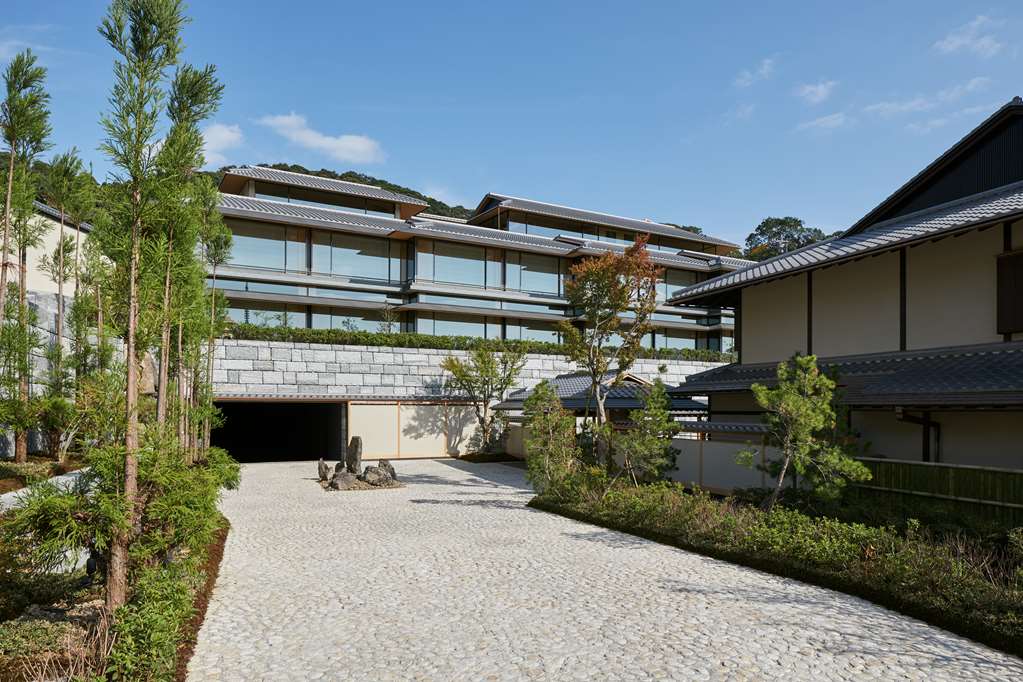
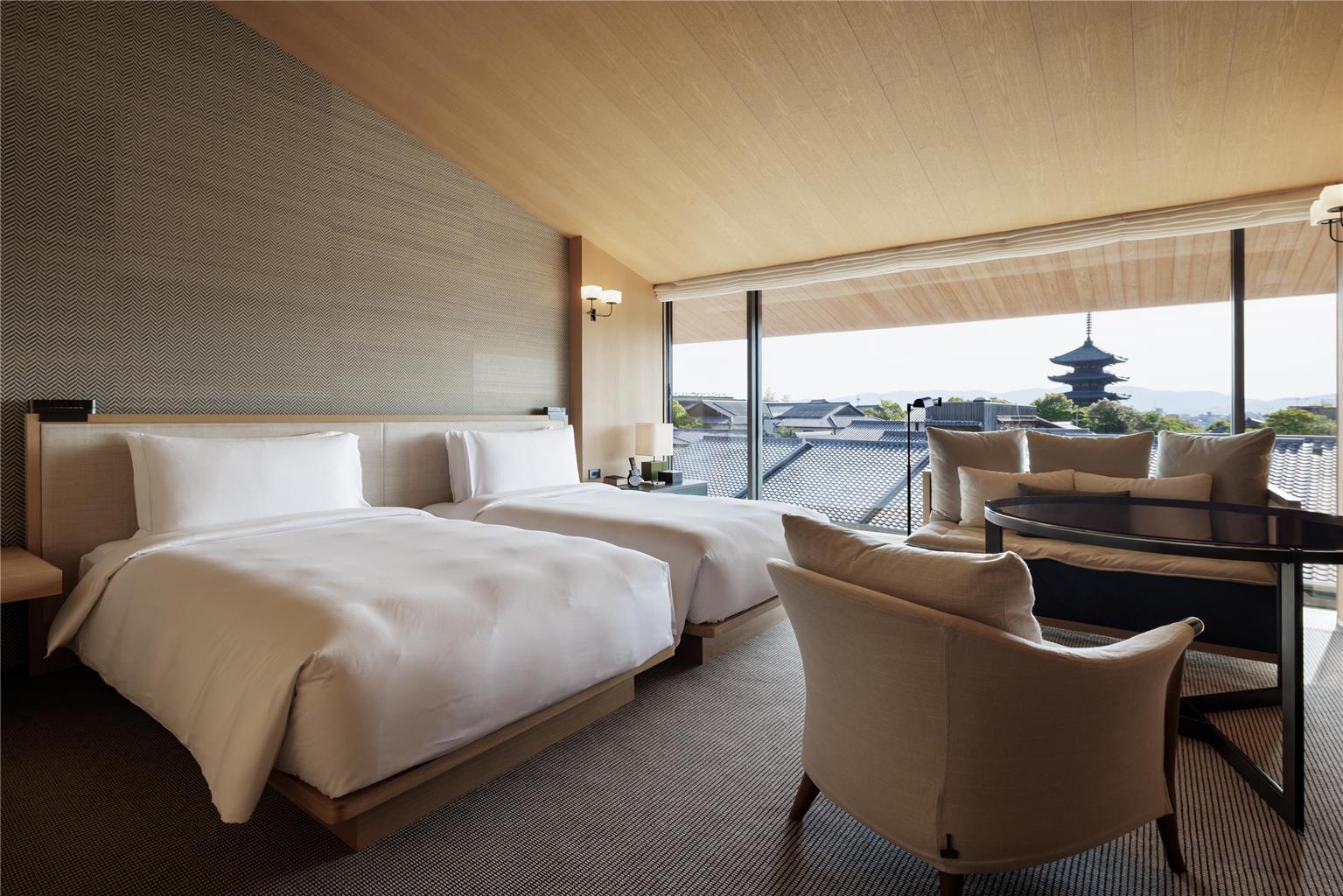
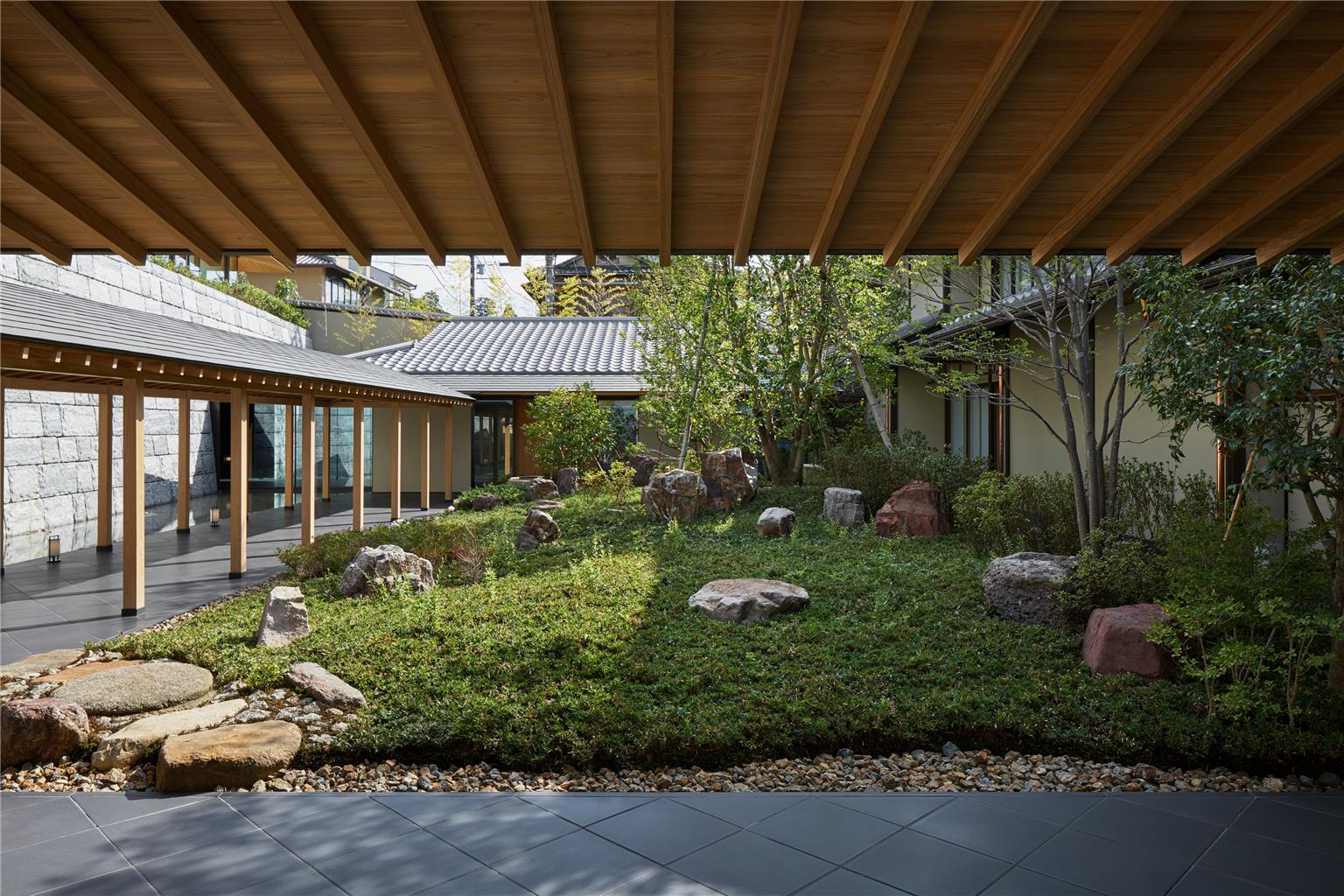
Japan offers everything from luxury hotels and modern conference venues to traditional villas and countryside properties. Many venues support corporate retreats with flexible meeting spaces, reliable on-site service, and carefully designed guest experiences. Teams can choose city-based venues for efficiency or destination-style venues for deeper team retreat immersion. For a standout retreat setting, Shinminka Villa Tamashiro offers a more private, culturally grounded environment that feels far from routine. The right venue depends on group size, agenda intensity, and how immersive you want the retreat experience to be.
What is the typical budget for a corporate retreat in Japan?
Budgets vary widely based on region, travel distance, season, and whether you choose city-based hotels or destination retreats. Tokyo and Kyoto often cost more due to demand, while quieter regions can offer better value for multi-night stays. Costs increase when you add guided cultural experiences, private dining, and premium transport logistics. Many international teams view Japan as high ROI because the retreat experience is world-class and the destination drives stronger attendance enthusiasm. Setting a per-person budget early helps determine the right prefecture, venue type, and itinerary scope.
What team-building activities are available in Japan?
Japan is excellent for team building because activities naturally blend cultural immersion with shared challenge and reflection. Teams often choose team building activities such as cooking classes, group workshops, and guided cultural experiences that encourage teamwork without awkward forced games. Many groups also incorporate a tea ceremony or Zen meditation session to create calm focus and shared presence. For higher-energy bonding, exploring city districts like Shibuya or visiting iconic landmarks creates shared memories quickly. The best team bonding in Japan often comes from experiencing something meaningful together, not just doing a structured activity.
Is language a barrier when organizing a corporate retreat in Japan?
Language can be managed smoothly in Japan with the right planning, especially in Tokyo and major corporate hubs. Many venues support English-speaking corporate groups and are accustomed to international business travel. For more rural locations or hidden gems, having local coordination or bilingual support can improve the experience. Japan is highly organized, so even when language varies, logistics are generally clear and reliable. In practice, strong itinerary planning matters more than language risk.
How easy is transportation in Japan for corporate retreats?
Transportation is one of Japan's biggest strengths, especially for teams traveling between Tokyo, Kyoto, and Osaka. High-speed rail makes multi-city programmes efficient, while local transit in city hubs is reliable and predictable. For destination retreats near Fuji or in Hokkaido, planning transfers in advance ensures pacing remains smooth. Japan is also excellent for structured arrival flow, which reduces friction for international participants. With the right planning, travel becomes part of the retreat experience rather than a logistical burden.
What are the best regions in Japan for corporate retreats?
Tokyo is ideal for high-energy corporate events and leadership offsites that require modern infrastructure, especially in districts like Shinjuku and Shibuya. Kyoto is best for cultural immersion and calmer pacing, with a sense of reflection that supports deep strategic work. Osaka works well for teams who want a more social, food-forward city experience with strong accessibility. Retreat locations near Mt. Fuji is ideal for nature immersion, wellness, and iconic scenery. For more destination-style retreats, Hokkaido, Niseko, and Okinawa offer highly distinct environments depending on the season.
What are the visa requirements for attending a corporate retreat in Japan?
Visa requirements depend on each attendee's nationality and passport. Japan has visa-free entry for many countries, but rules vary, so it's best to confirm requirements early for all participants. Companies often collect passport details early to avoid last-minute disruptions. For international teams traveling from Europe, the Middle East, and APAC, entry is usually manageable with planning. When in doubt, confirm official requirements well in advance of the retreat.
What kind of cuisine can we expect at corporate retreats in Japan?
Japan is one of the strongest destinations in the world for food-driven retreat experiences. Teams can expect exceptional quality, from casual local dining to premium multi-course formats. Shared meals create natural bonding, especially through experiences like sushi dinners or guided tastings that become part of the retreat story. Many venues can also accommodate dietary preferences with advance notice. Food in Japan isn't just fuel—it's one of the most memorable experiences teams take home.
What are some cultural considerations when holding a retreat in Japan?
Japan tends to value respect, preparation, and thoughtful communication, which makes structured retreats work extremely well. Teams often benefit from clear agendas, punctual pacing, and well-defined session outcomes. Cultural experiences should be approached with appreciation and curiosity, especially in more traditional environments. Many groups find that quiet moments and reflection land better here than overly loud, hype-driven formats. A strong retreat in Japan feels intentional, polished, and deeply human.
How can sustainability be incorporated into a corporate retreat in Japan?
Japan supports sustainability through efficient public transit and the ability to design itineraries with minimal transfers. Teams can reduce footprint by anchoring the retreat in one region and choosing nearby experiences rather than constant movement. Sustainability can also show up in the retreat's pacing—choosing quality over quantity, and building in wellness and recovery. Many venues focus on local sourcing and seasonal cuisine, which reduces environmental impact while improving experience quality. The most sustainable retreats feel calm, focused, and intentionally designed.
Why Choose Japan for Your Team Retreat?
Japan is ideal for a team retreat because it creates a natural reset—teams tend to arrive more present, more curious, and more open to real connection. The destination supports both high-performing corporate work and deep cultural immersion, which makes the retreat feel meaningful. Whether you're planning an executive offsite or a full company retreat, Japan offers structure and atmosphere in equal measure. The combination of world-class service, cultural experiences, and natural beauty makes it easy to create a truly immersive experience. For teams seeking camaraderie that lasts beyond the trip, Japan is one of the best choices.
What are the best locations in Japan for a corporate retreat?
The best locations depend on whether you want city energy, nature immersion, or a balance of both. Tokyo works well for fast-paced offsites and corporate events that need strong infrastructure. Kyoto is perfect for cultural immersion and reflection, while Osaka is great for food, social bonding, and easy movement. Mt. Fuji areas provide iconic scenery and wellness retreat formats, especially when paired with hot springs and onsen experiences. For teams wanting privacy and a culturally rich environment, Shinminka Villa Tamashiro is a strong retreat option that supports deeper connection and calm focus.
What are the best locations for corporate retreats in Japan?
Japan's best corporate retreat locations often combine strong logistics with memorable experiences. Tokyo, Kyoto, and Osaka are excellent for international teams who want convenience and cultural depth in one itinerary. Hokkaido and Niseko work well for winter retreats and outdoor adventure formats, while Okinawa creates a coastal getaway experience for warmer-season programmes. For executive teams seeking quiet and privacy, traditional-style venues and hidden gems outside the major city hubs often deliver the strongest retreat experience. The best location is the one that matches your goals for reconnecting, team bonding, and retreat impact.
Looking for our PDF retreat venue guide for inspiration in Japan?
Explore our PDF guide to retreat venues in Japan for additional venue ideas, regional inspiration, and examples of the types of properties available for group retreats. It was published in September 2020, so some venue details may have changed, but it's still a requested item, and it remains a useful resource for discovering locations and shaping your shortlist. For the most up-to-date options, feel free to visit our explore page, use our AI Coplanner or contact a retreat success advisor.





.jpeg?h=1366&w=2048)