 Destination:Saudi ArabiaDestination:Saudi Arabia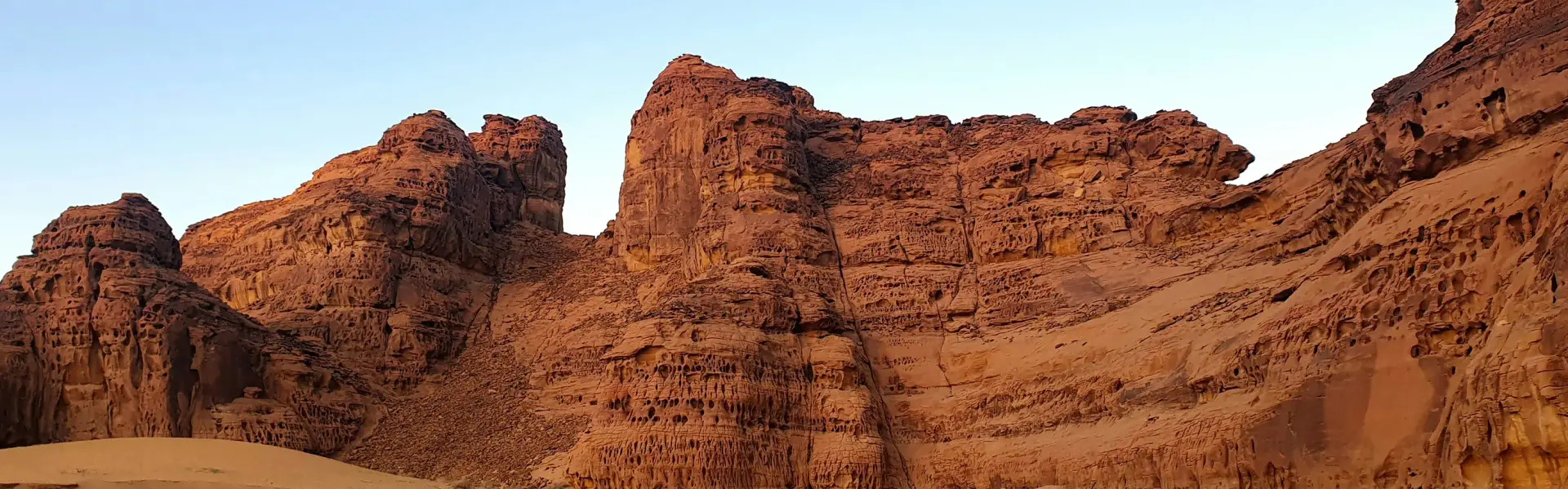
Plan it yourself or with a retreat expert. Always free to use.
Ultimate guide for corporate retreats in Saudi Arabia
Plan it yourself or with a retreat expert. Always free to use.
Corporate retreats in Saudi Arabia offer an ambitious blend of cutting-edge hospitality, natural beauty, and unforgettable experiences for teams looking to reset with purpose. From Riyadh and Jeddah to the dramatic landscapes of AlUla and the Red Sea, Saudi Arabia supports offsite retreats that balance high-performance work with deep wellbeing. With strong infrastructure, modern venues, and experiences that feel truly different, it's an emerging world-class destination for corporate events in the Middle East.
Climate
Monthly weather in Riyadh
15km/h
16km/h
16km/h
17km/h
15km/h
16km/h
15km/h
17km/h
13km/h
12km/h
13km/h
15km/h
Wind speed
| Month | High temperature (°C) | Low temperature (°C) | Monthly precipitation (mm) | Average wind speed (km/h) |
|---|---|---|---|---|
| Jan | 22° | 7° | 3mm | 15 km/h |
| Feb | 30° | 5° | 2mm | 16 km/h |
| Mar | 35° | 13° | 3mm | 16 km/h |
| Apr | 35° | 14° | 29mm | 17 km/h |
| May | 40° | 19° | 0mm | 15 km/h |
| Jun | 44° | 27° | 0mm | 16 km/h |
| Jul | 46° | 30° | 0mm | 15 km/h |
| Aug | 44° | 27° | 0mm | 17 km/h |
| Sep | 42° | 24° | 0mm | 13 km/h |
| Oct | 38° | 19° | 0mm | 12 km/h |
| Nov | 28° | 16° | 9mm | 13 km/h |
| Dec | 24° | 4° | 1mm | 15 km/h |
Pricing
Average accommodation prices in Riyadh
What's nearby
Explore venues and points of interest around Riyadh
Activities
What to do in Riyadh
- Swimming
- Golf
- Historic Sites
Direct flight times from major cities
Riyadh · King Khaled International Airport (RUH) · 90+ direct international routes
| City | Flight time | Arrival time difference |
|---|---|---|
| New YorkAmericas | ~13 hr | 7 hrs differenceHard |
| LondonEurope | ~7 hr | 2 hrs differenceEasy |
| SingaporeAsia & Pacific | ~8 hr | 5 hrs differenceModerate |
| DubaiMEA | 2 hr | 1 hr differenceEasy |
Popular cities in Saudi Arabia
The most popular cities for corporate retreats in Saudi Arabia.
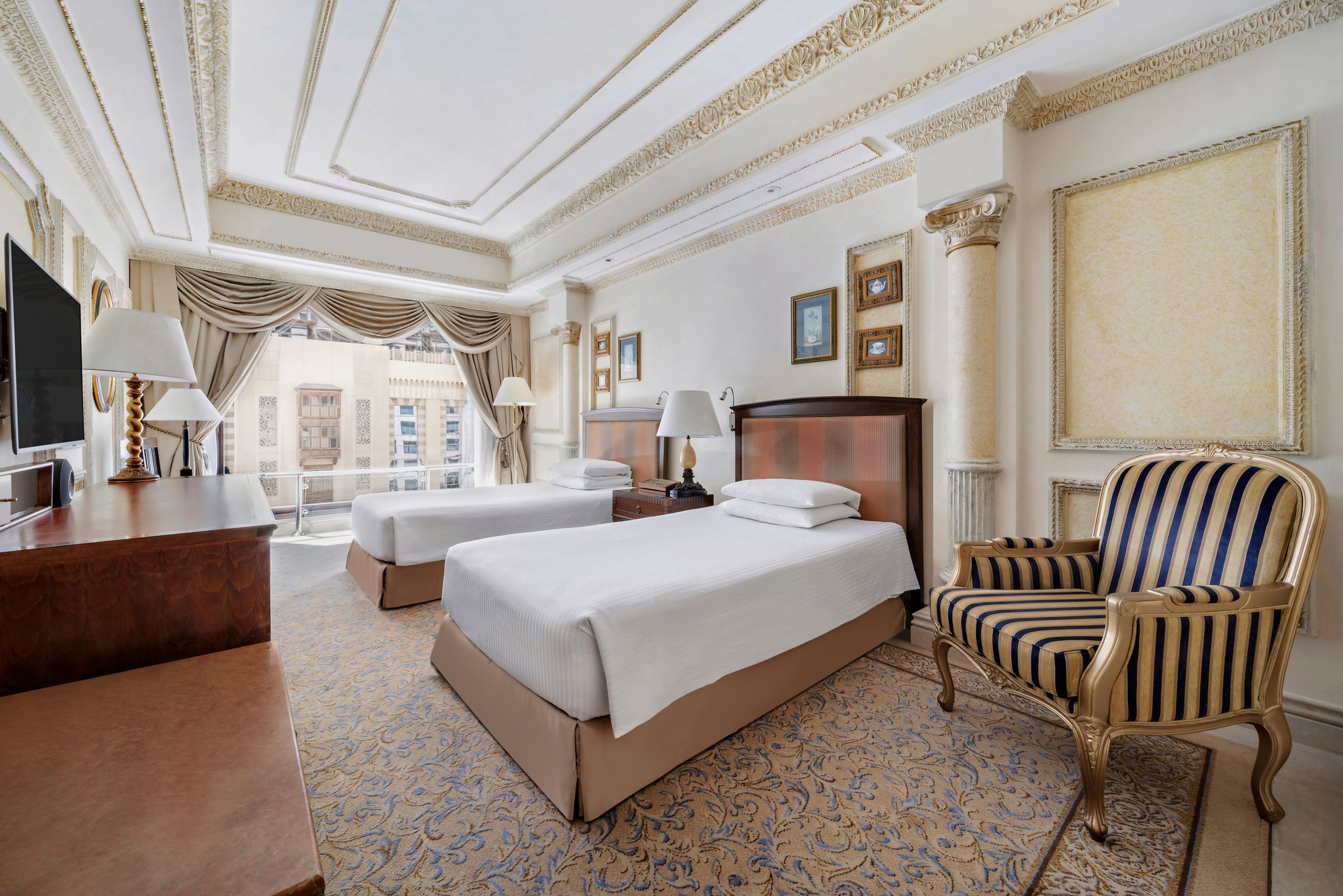
 RiyadhRiyadhPhoto by Oualid Lakhrouti on Unsplash
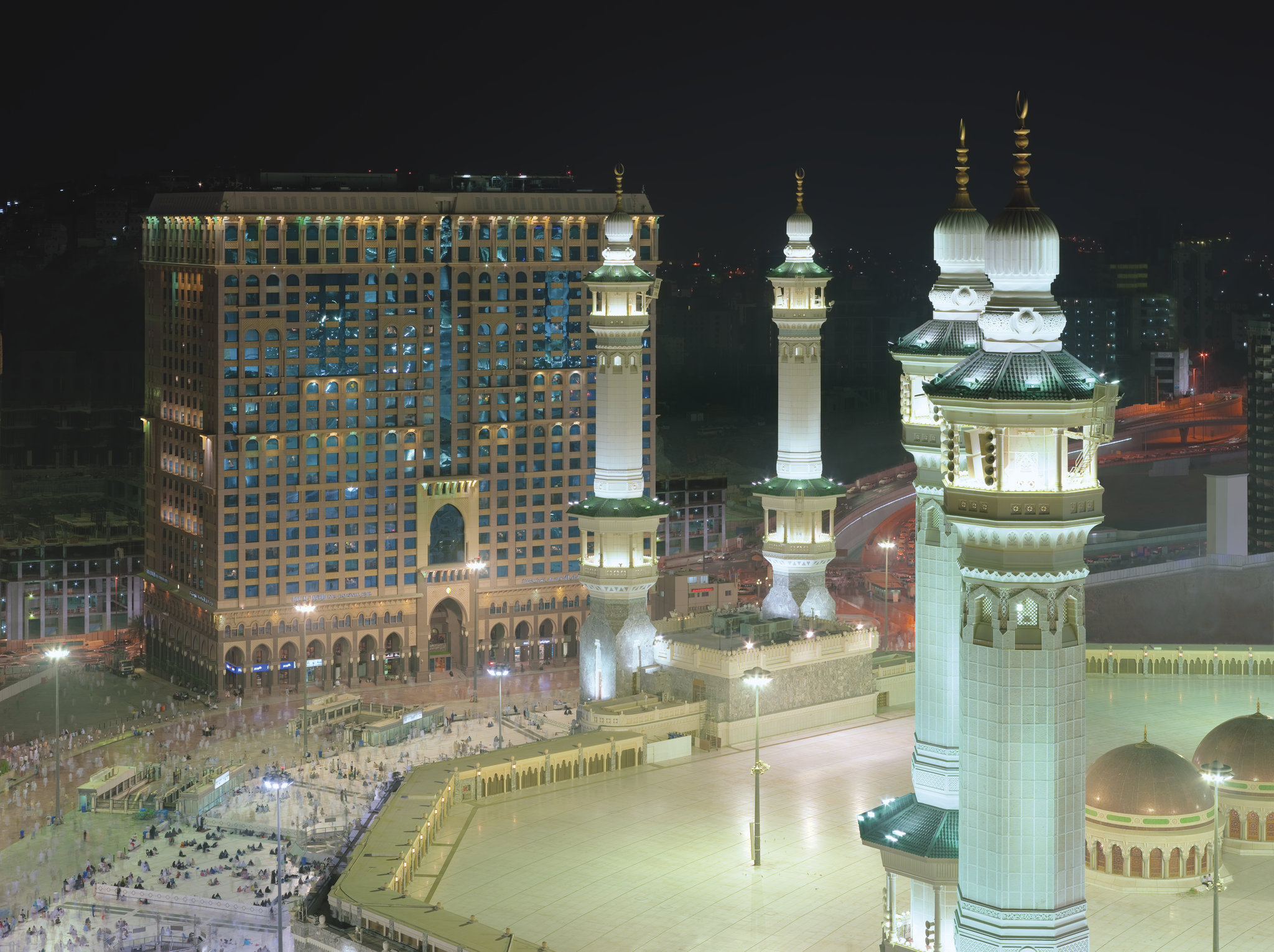
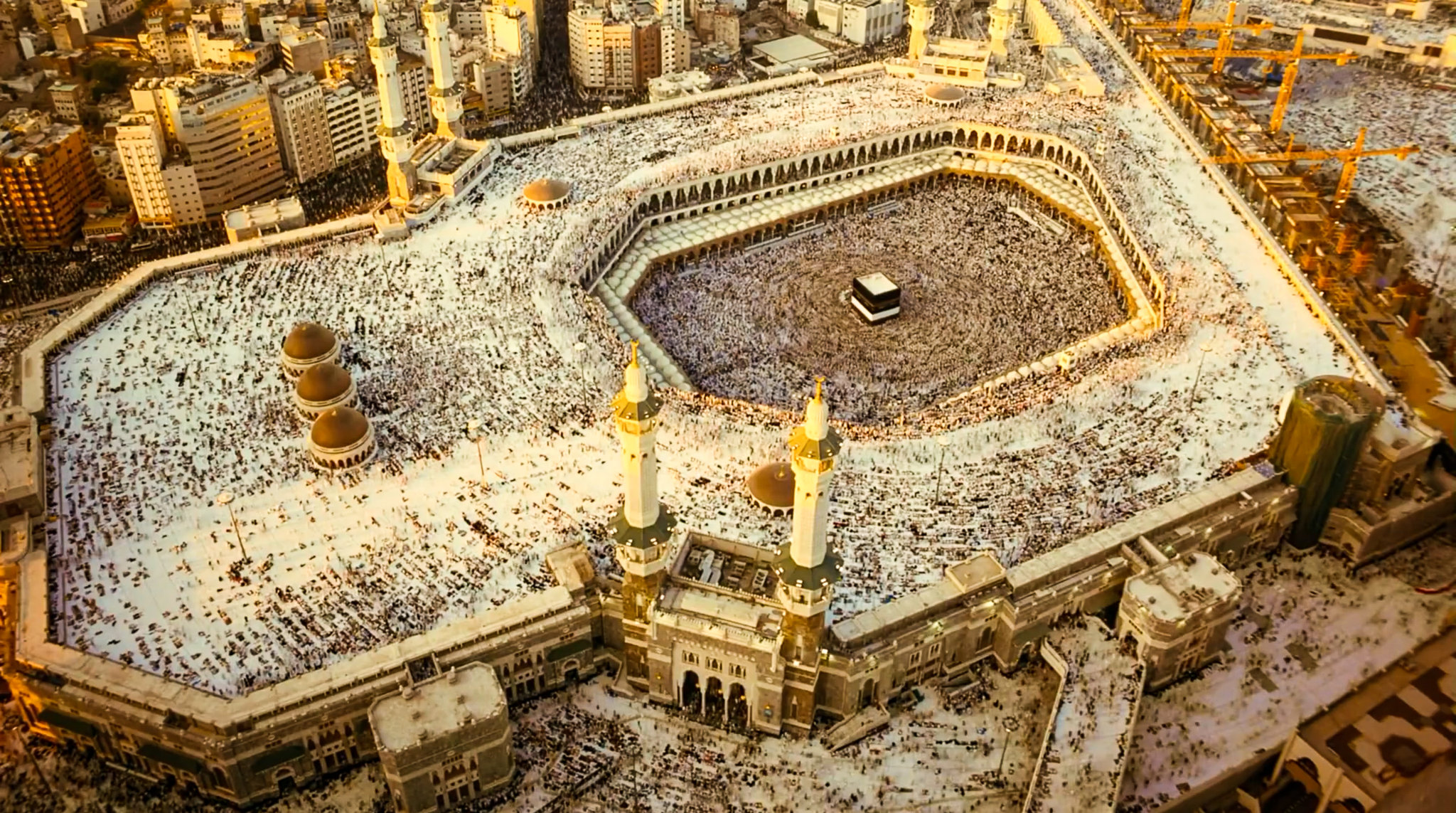
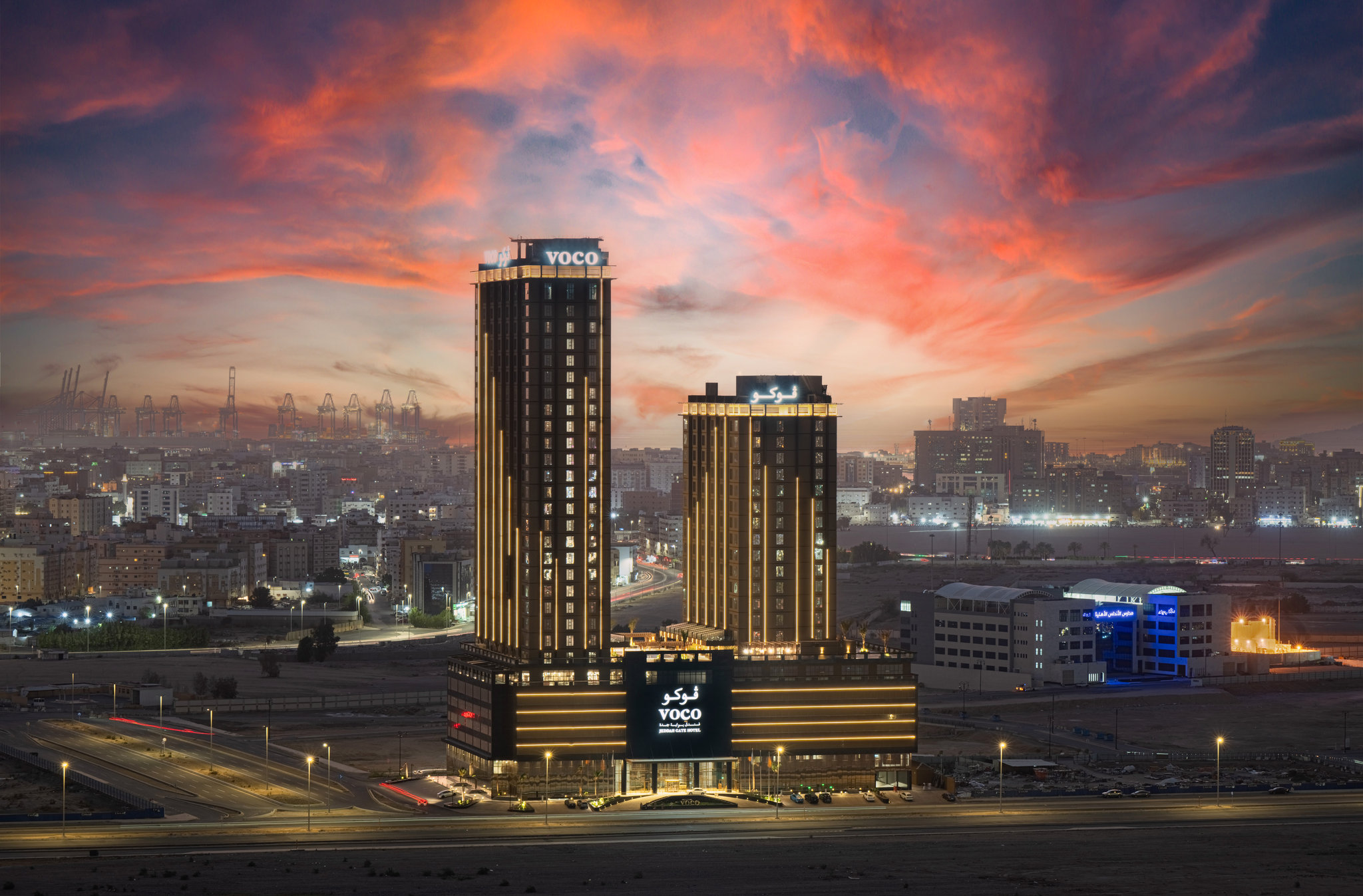
 MakkahJeddahPhoto by Asim Alghamdi on Unsplash
 Eastern ProvinceKhobarPhoto by Yousef Hussain on Unsplash
Other popular destinations, and collections to explore



You got questions,
we have answers
Why choose Saudi Arabia for a corporate retreat?
Saudi Arabia is ideal for teams that want a corporate retreat that feels bold, premium, and genuinely new. The destination offers world-class hospitality, strong infrastructure, and unique environments that make teams more present and engaged. It's particularly strong for leadership retreats, executive strategy offsites, and corporate events that need a sense of significance. Saudi Arabia also works well for international teams looking for a Middle East destination beyond the more familiar format of Dubai. If you want a retreat experience that creates real momentum and lasting memories, Saudi Arabia delivers.
What is the best time of year to hold a corporate retreat in Saudi Arabia?
Autumn through spring is generally the best time for corporate retreats, with more comfortable temperatures for outdoor programming. These seasons make it easier to include desert experiences, cultural excursions, and downtime outside the venue. Summer retreats can work, but they typically lean more heavily on indoor wellness and hotel-based programming. The best season depends on your agenda design and how much outdoor activity you want. Cooler months usually create the best balance of comfort and flexibility.
What types of venues are available in Saudi Arabia for corporate retreats?
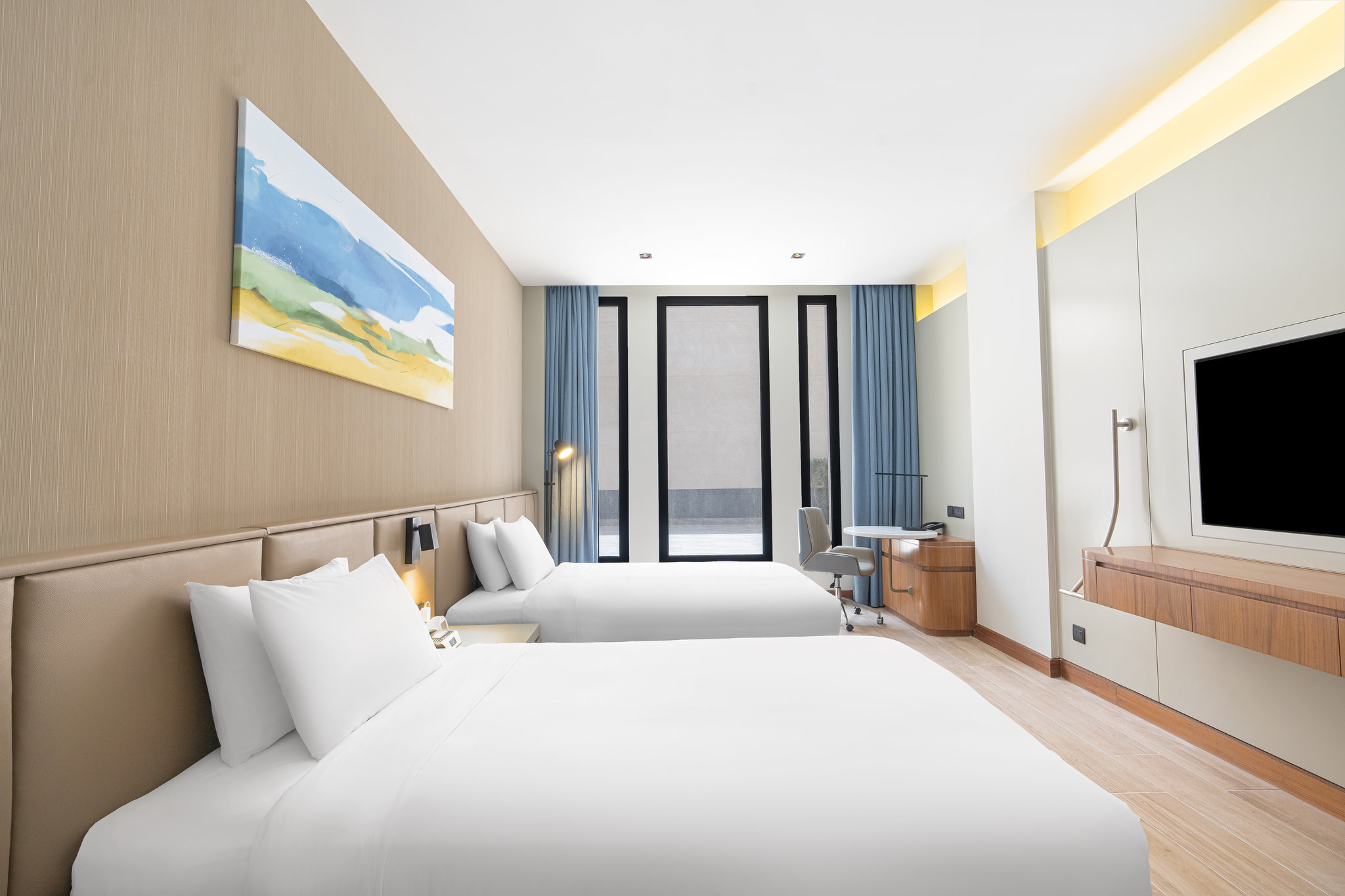
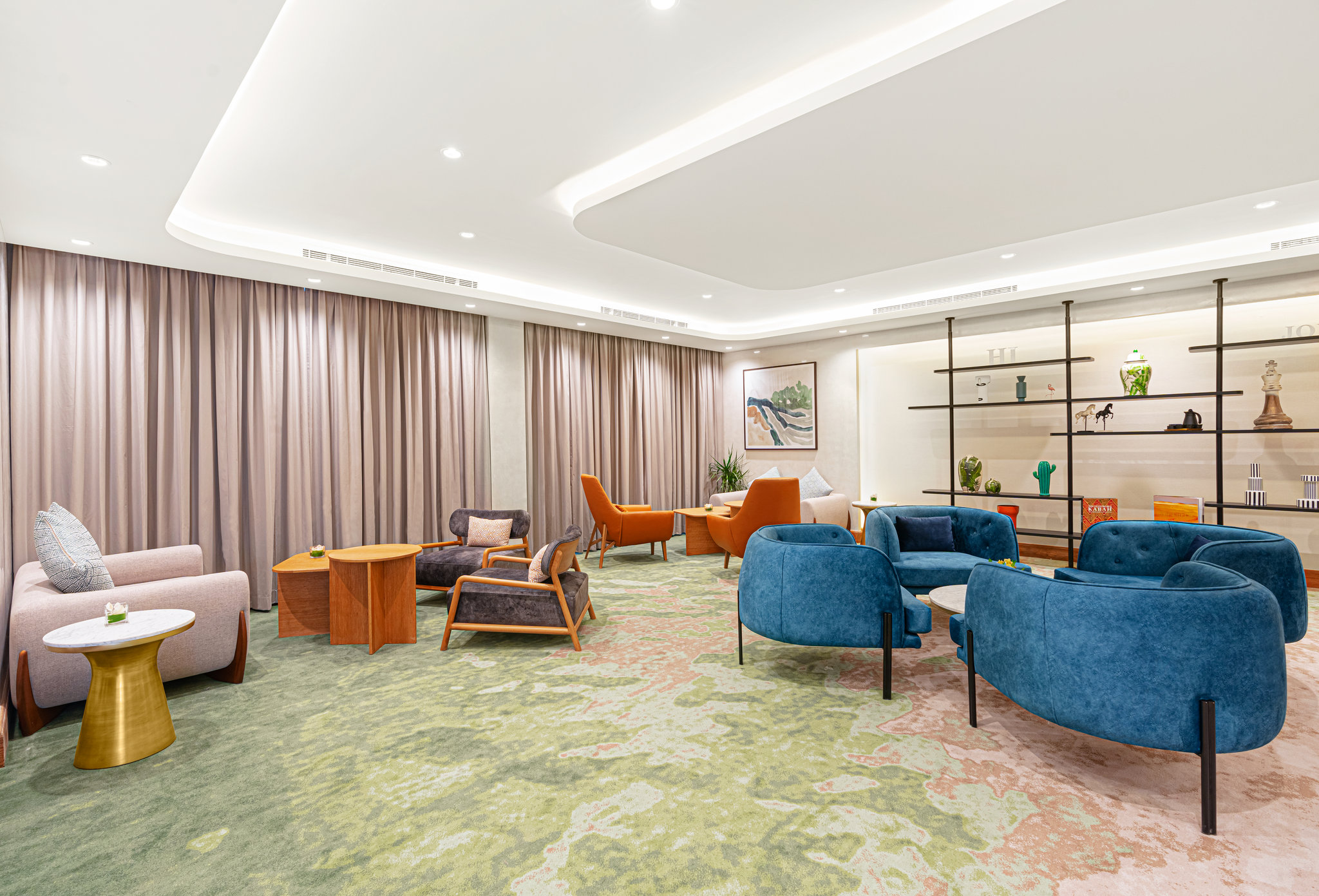
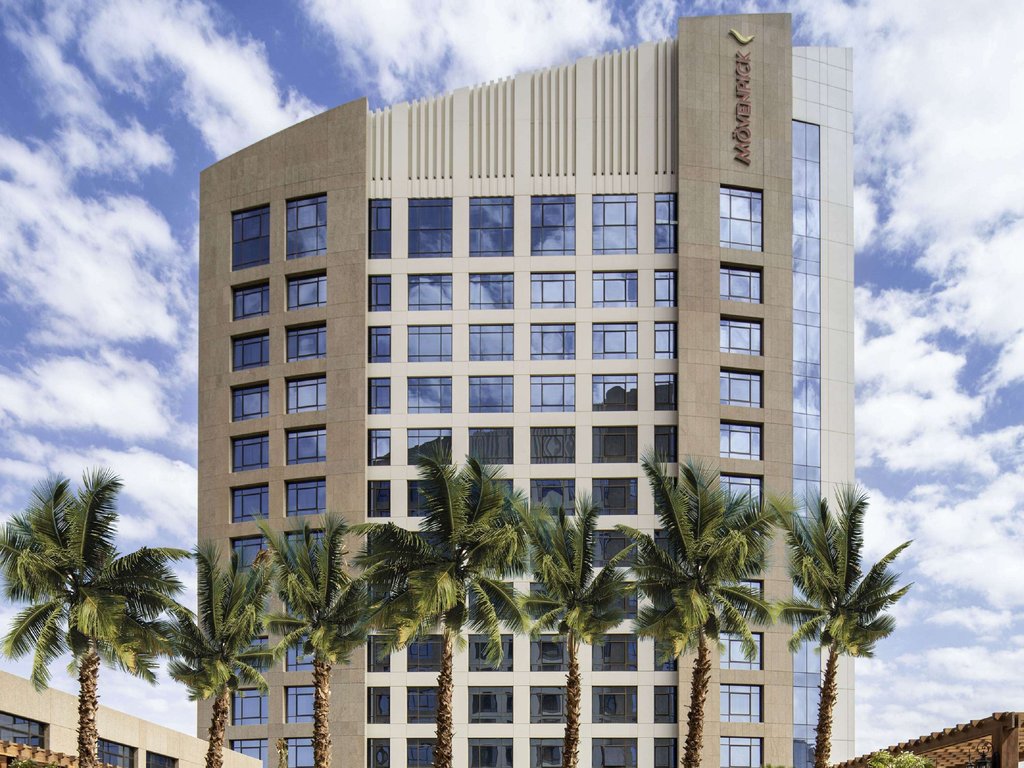
Saudi Arabia offers a wide range of venues, from modern business hotels in Riyadh to coastal resorts and high-end desert properties designed for getaways. Many venues provide the essentials for corporate events, including meeting spaces, premium service, and reliable high-speed internet for workshop-heavy offsites. You can also find venues built around wellness retreats, with spa treatments, recovery spaces, and quiet environments that support focus. For executive teams, bespoke experiences are often available through concierge-style programming. The best venue depends on whether you want a business-first offsite or a more immersive retreat format.
What is the typical budget for a corporate retreat in Saudi Arabia?
Budget varies based on region, season, accommodation level, and how curated your retreat is. Premium venues and highly bespoke experiences typically sit in the upper tier, especially for executive retreats and destination-style offsites. Costs increase when you add private transfers, concierge service, spa treatments, and tailored team-building programs. Many organizations find strong ROI because the experience feels world-class and highly memorable. Setting a per-person budget early helps align expectations and choose the right retreat structure.
What team-building activities are available in Saudi Arabia?
Saudi Arabia supports team-building activities that feel adventure-driven, culturally meaningful, and highly memorable. Coastal regions near the Red Sea can include water experiences like scuba diving, paddleboarding, and outdoor activities that naturally build team bonding. Inland destinations support stargazing and desert experiences that create a shared sense of discovery. Wellness-based bonding is also popular, especially when teams incorporate recovery blocks and spa treatments. The best team-building here feels premium, optional, and aligned to group comfort levels.
Is language a barrier when organizing a corporate retreat in Saudi Arabia?
Language is generally manageable for international corporate groups, especially in major cities and premium venues. English is commonly used in hospitality and business settings, while Arabic remains the local language and part of cultural context. Many venues are experienced with international teams and can support English-speaking agendas smoothly. For more remote programmes, having local coordination can improve execution and reduce friction. Most challenges are logistical planning and pacing, not language.
How easy is transportation in Saudi Arabia for corporate retreats?
Transportation is straightforward when planning is intentional, especially for teams arriving through major hubs like Riyadh and Jeddah. Transfers between key regions can be longer due to distance, so itinerary design matters. Many corporate groups prefer staying in one region to reduce travel time and protect energy. Venues with strong concierge support can make transportation feel seamless for attendees. For international groups, the key is building a schedule that doesn't feel rushed.
What are the best regions in Saudi Arabia for corporate retreats?
Riyadh is ideal for business-first offsites and corporate events that need modern infrastructure and venue density. Jeddah works well for retreats that want a coastal atmosphere and easier access to leisure experiences. AlUla is a standout for teams seeking stunning landscapes and a truly immersive retreat setting that feels unlike any other corporate destination. The Red Sea region is ideal for getaway-style retreats where outdoor activity and wellbeing are central to the experience. The best region depends on whether you want city efficiency or destination immersion.
What are the visa requirements for attending a corporate retreat in Saudi Arabia?
Visa requirements depend on each attendee's nationality and passport. Saudi Arabia has expanded entry options in recent years, but rules still vary by country and visit purpose. For corporate retreats with international attendees, it's best to confirm requirements early and plan around processing timelines. Most companies collect passport details early to avoid last-minute issues. With early planning, entry logistics are usually manageable.
What kind of cuisine can we expect at corporate retreats in Saudi Arabia?
Saudi Arabia offers a strong dining experience ranging from local Middle Eastern cuisine to international menus in premium venues. Corporate retreats often use shared meals as social anchors, especially for teams reconnecting after time apart. Most venues can accommodate dietary needs and preferences, particularly in business and luxury settings. Dining can also be integrated into the retreat experience through curated group meals and cultural food moments. High-quality hospitality is often a defining feature of the experience.
What are some cultural considerations when holding a retreat in Saudi Arabia?
Cultural awareness is important, especially for international teams. Corporate retreats work best when they are designed with respect for local norms around dress, social settings, and event structure. Many teams benefit from clear agendas that balance work sessions with appropriate social time and wellbeing pacing. Cultural experiences can be included thoughtfully, especially those that connect to Bedouin heritage or local traditions. A successful retreat feels polished, respectful, and inclusive.
How can sustainability be incorporated into a corporate retreat in Saudi Arabia?
Sustainability can be incorporated through smart itinerary design, reduced transfers, and choosing venues that prioritize responsible operations. Teams can minimize footprint by staying in one region and designing activities close to the retreat base. Sustainability can also show up through eco-conscious choices in catering and reduced waste practices. Retreat pacing matters too—balanced schedules support wellbeing and reduce burnout, which is part of sustainable team performance. The most sustainable retreats feel efficient, intentional, and well-run.
What are the best locations for corporate retreats in Saudi Arabia?
The best locations depend on the type of retreat you want to run. Riyadh is best for leadership planning, workshops, and corporate events that need reliable infrastructure. Jeddah is ideal for teams wanting a coastal setting with a more relaxed pace. AlUla is perfect for executive retreats that want a once-in-a-lifetime setting with stunning landscapes and cultural depth. The Red Sea region supports getaway-style retreats with water-based activities like scuba diving and paddleboarding. The right location is the one that matches your goals for team bonding, wellbeing, and retreat impact.
How do offsite retreats contribute to workplace culture?
Offsite retreats strengthen workplace culture by creating shared experiences that build trust, clarity, and real human connection beyond day-to-day roles. When teams step out of routine, they communicate differently—more honestly, more collaboratively, and with fewer distractions. Offsites also create a reset point for team dynamics, making it easier to resolve friction, align priorities, and reconnect around purpose. The best retreats mix structured work with informal bonding so relationships form naturally. Over time, these shared experiences become cultural reference points that improve teamwork long after the retreat ends.