 Destination:VietnamDestination:Vietnam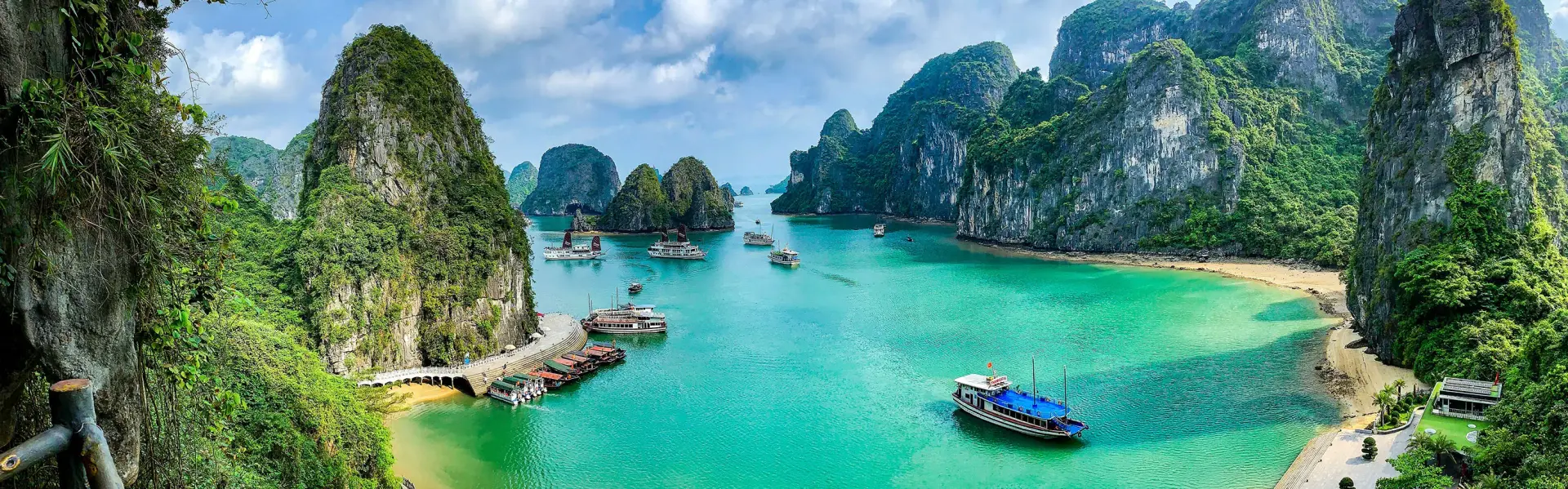
Plan it yourself or with a retreat expert. Always free to use.
Ultimate guide for corporate retreats in Vietnam
Plan it yourself or with a retreat expert. Always free to use.
Corporate retreats in Vietnam combine natural beauty, cultural immersion, and high-value luxury resorts that make team bonding feel effortless. From Da Nang and Hoi An in Central Vietnam to Hanoi, Ho Chi Minh City (Saigon), and island getaways like Phu Quoc, Vietnam offers retreat locations that balance wellbeing with productivity. With breathtaking landscapes, bespoke support, and local expertise from facilitators or a DMC, Vietnam is a perfect destination for a company retreat built around teamwork, brainstorming, and real reset from the daily hustle.
Climate
Monthly weather in Ho Chi Minh City
16km/h
17km/h
15km/h
13km/h
11km/h
12km/h
15km/h
14km/h
12km/h
11km/h
13km/h
15km/h
Wind speed
| Month | High temperature (°C) | Low temperature (°C) | Monthly precipitation (mm) | Average wind speed (km/h) |
|---|---|---|---|---|
| Jan | 30° | 23° | 6mm | 16 km/h |
| Feb | 30° | 24° | 0mm | 17 km/h |
| Mar | 31° | 24° | 7mm | 15 km/h |
| Apr | 33° | 26° | 27mm | 13 km/h |
| May | 33° | 27° | 122mm | 11 km/h |
| Jun | 32° | 26° | 130mm | 12 km/h |
| Jul | 32° | 26° | 156mm | 15 km/h |
| Aug | 32° | 26° | 134mm | 14 km/h |
| Sep | 32° | 25° | 167mm | 12 km/h |
| Oct | 32° | 25° | 106mm | 11 km/h |
| Nov | 31° | 25° | 77mm | 13 km/h |
| Dec | 30° | 24° | 26mm | 15 km/h |
Pricing
Average accommodation prices in Ho Chi Minh City
What's nearby
Explore venues and points of interest around Ho Chi Minh City
Activities
What to do in Ho Chi Minh City
- Swimming
- Sailing
- Shopping
- Restaurants
- Night Life
- Historic Sites
- Golf
- Climbing
Direct flight times from major cities
Ho Chi Minh City · Tan Son Nhat International Airport (SGN) · 80+ direct international routes
| City | Flight time | Arrival time difference |
|---|---|---|
| San FranciscoAmericas | ~15 hr | 14 hrs differenceHard |
| LondonEurope | ~13 hr | 6 hrs differenceModerate |
| SingaporeAsia & Pacific | 2 hr | 1 hr differenceEasy |
| TokyoAsia & Pacific | ~6 hr | 2 hrs differenceEasy |
| SydneyAsia & Pacific | ~9 hr | 4 hrs differenceModerate |
| DubaiMEA | ~7 hr | 3 hrs differenceEasy |
Popular cities in Vietnam
The most popular cities for corporate retreats in Vietnam.
 Hồ Chí MinhHo Chi Minh CityPhoto by Peter Nguyen on Unsplash
 Hà NộiHanoiPhoto by Bernd 📷 Dittrich on Unsplash
Other popular destinations, and collections to explore





You got questions,
we have answers
Why choose Vietnam for a corporate retreat?
Vietnam is ideal for corporate retreats because it delivers a premium experience—often at better value than many global retreat markets—without sacrificing quality. It's a destination where cultural experiences, pristine beaches, and wellness-focused downtime can exist alongside structured workshops and problem-solving sessions. Teams often choose Vietnam when they want a company retreat that feels inspiring but still operationally manageable. Vietnam also supports both high-comfort luxury resorts and more intimate, local stays for deeper cultural immersion. If your team wants unique experiences that strengthen teamwork and team bonding, Vietnam delivers.
What is the best time of year to hold a corporate retreat in Vietnam?
Vietnam works year round, but the best timing depends on which region you choose. Central Vietnam—including Da Nang and Hoi An—can be ideal for beachfront retreats and balanced retreat pacing. Hanoi and the north offer a different feel, especially when planning cultural immersion and Halong Bay excursions. Ho Chi Minh City and the Mekong Delta can be planned for corporate retreats that blend city energy with countryside reset. The best approach is to choose your retreat location first, then select dates that support outdoor activities and travel comfort.
What types of venues are available in Vietnam for corporate retreats?
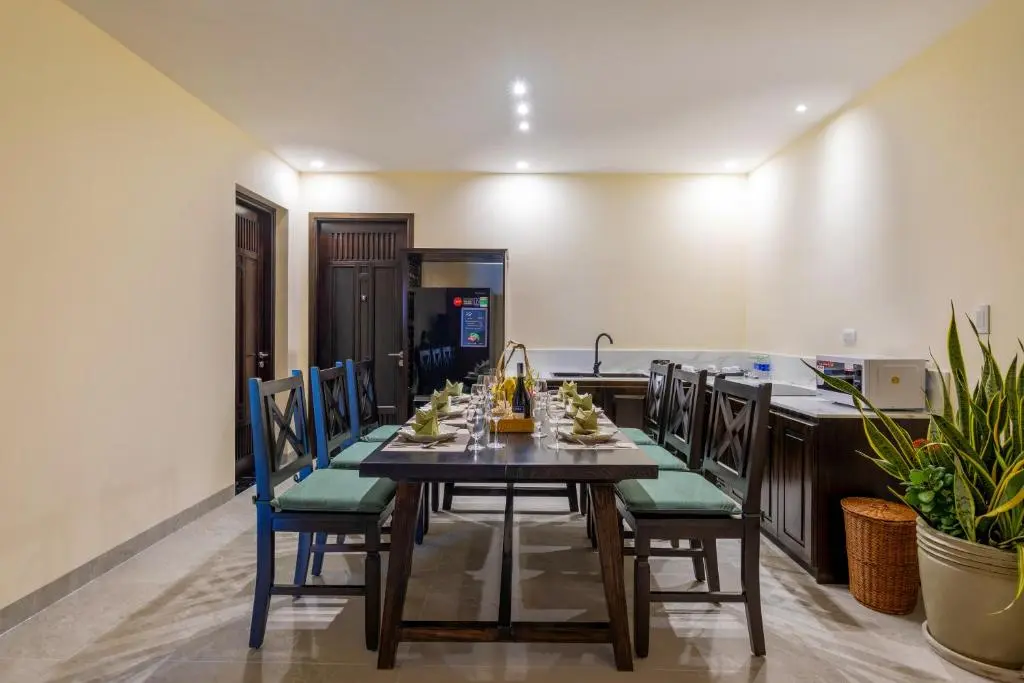
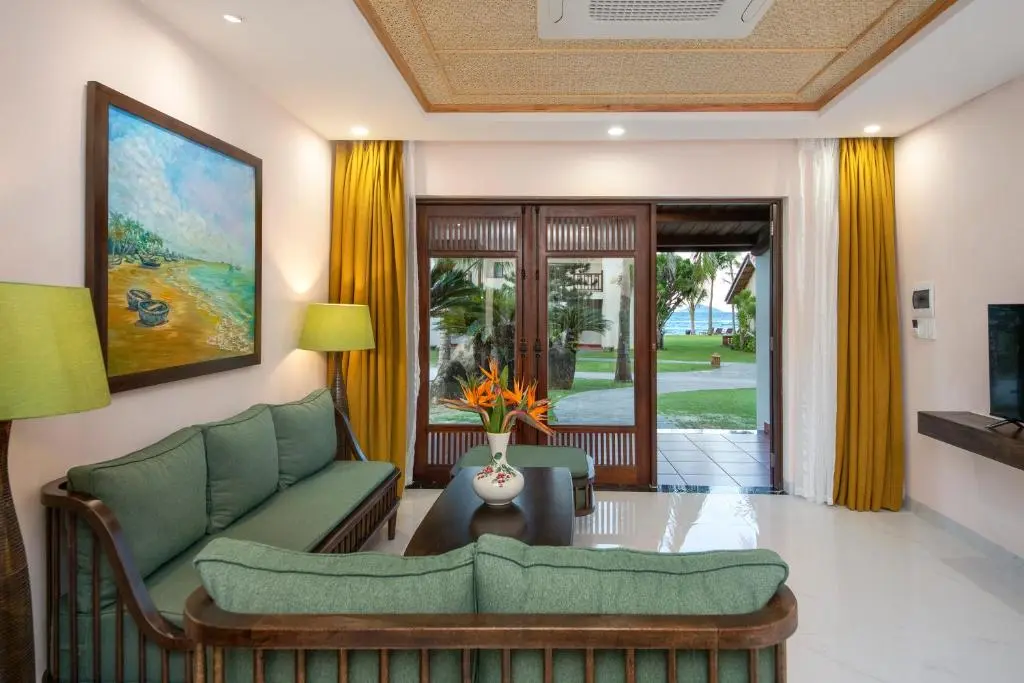
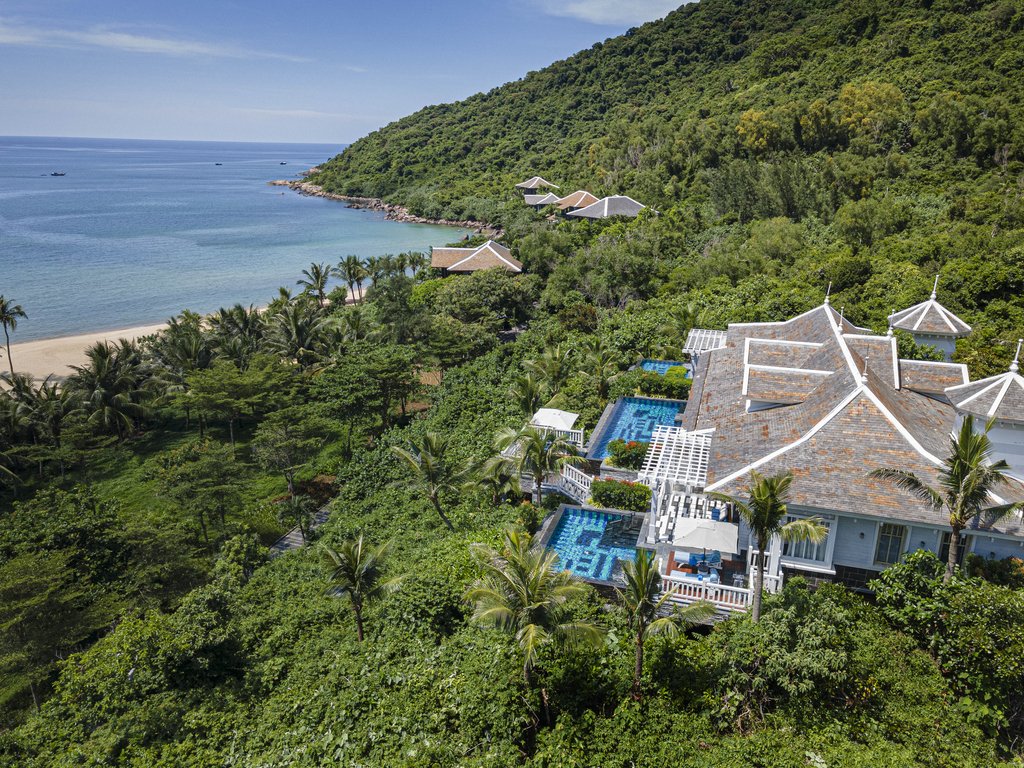
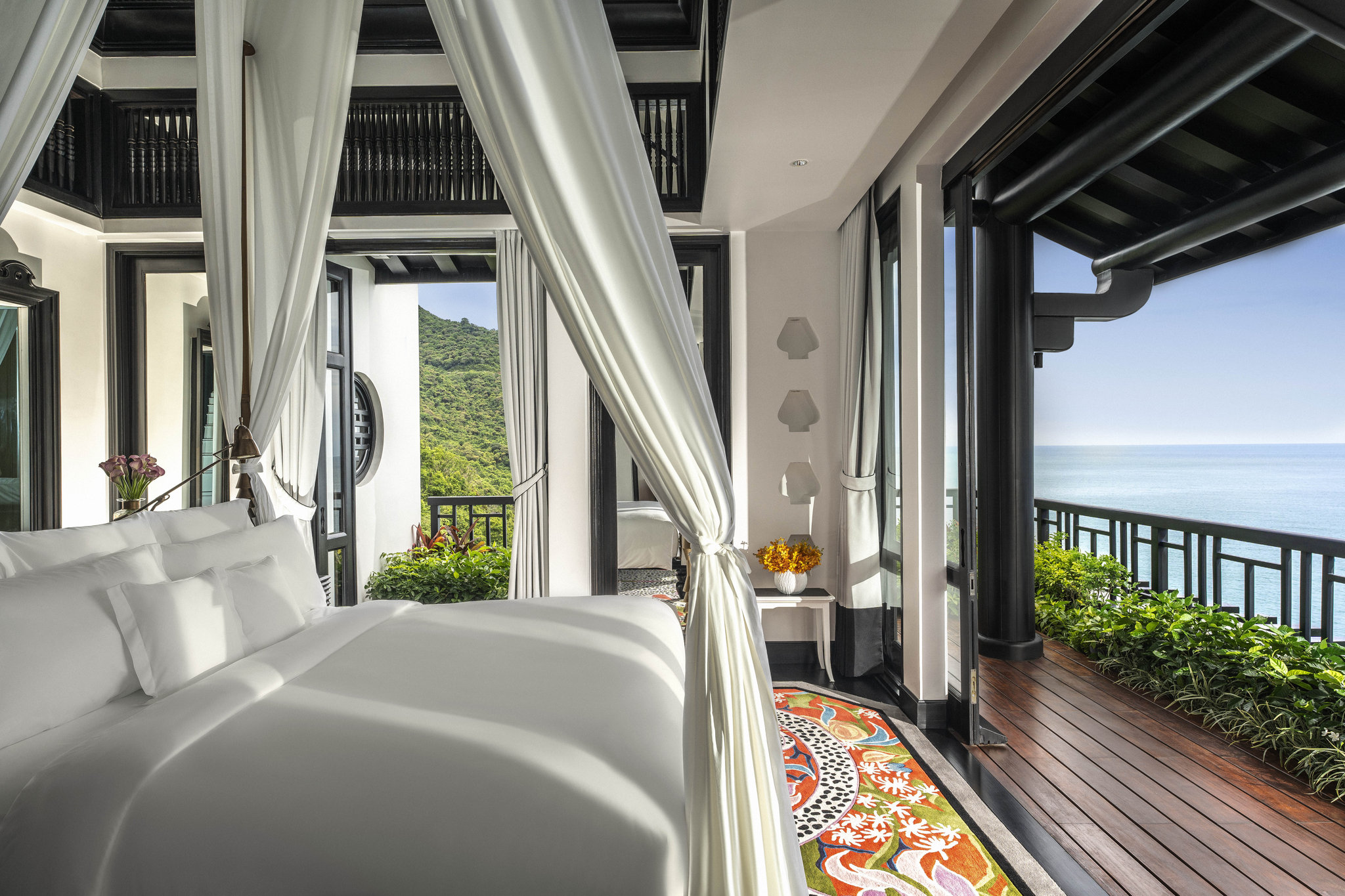
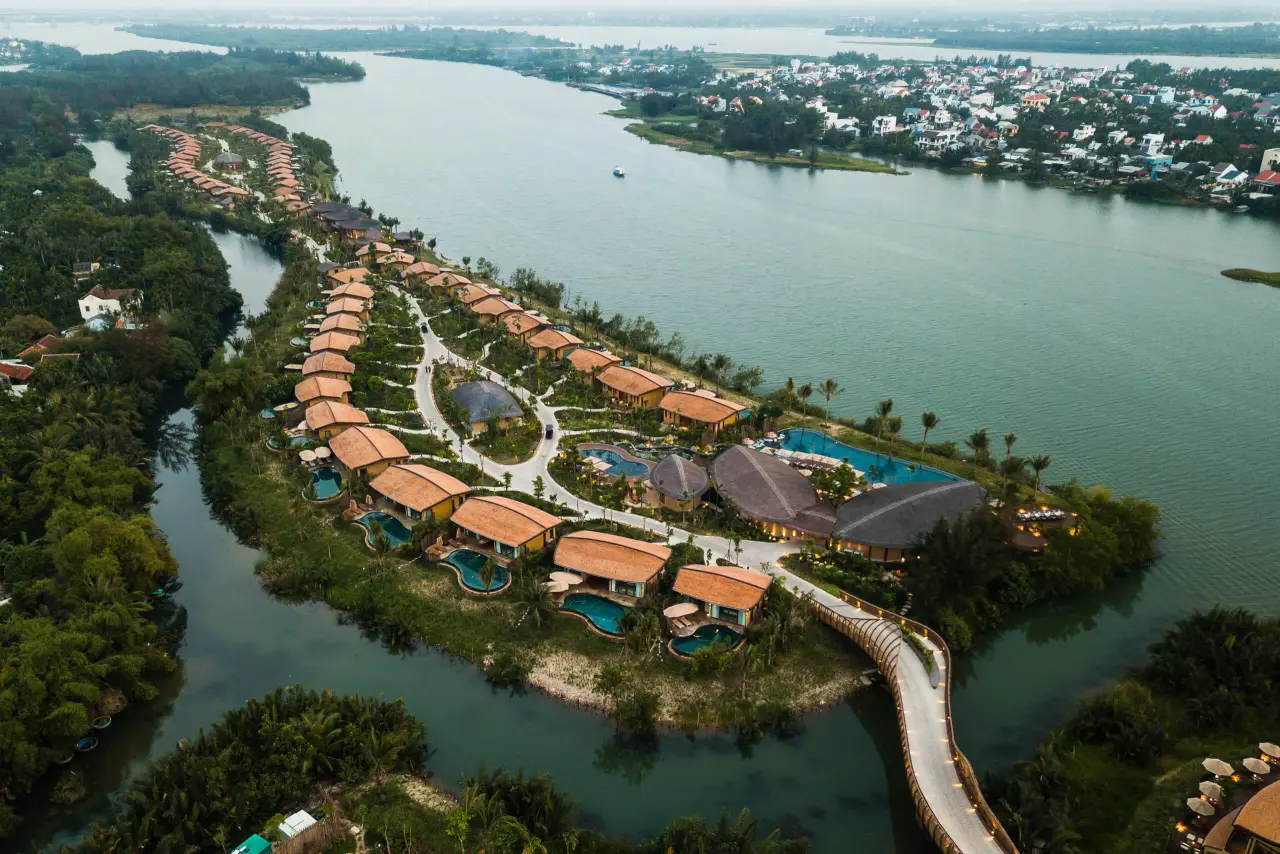
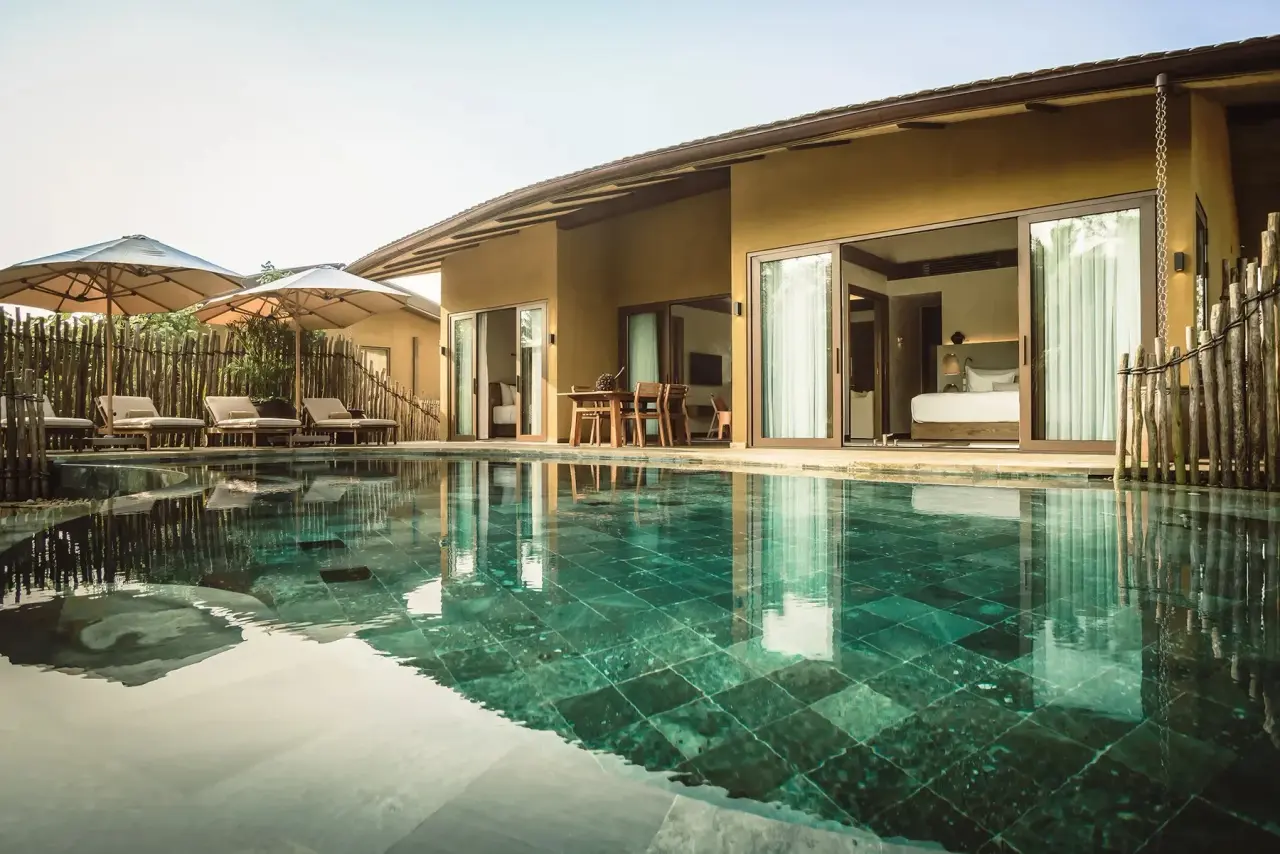
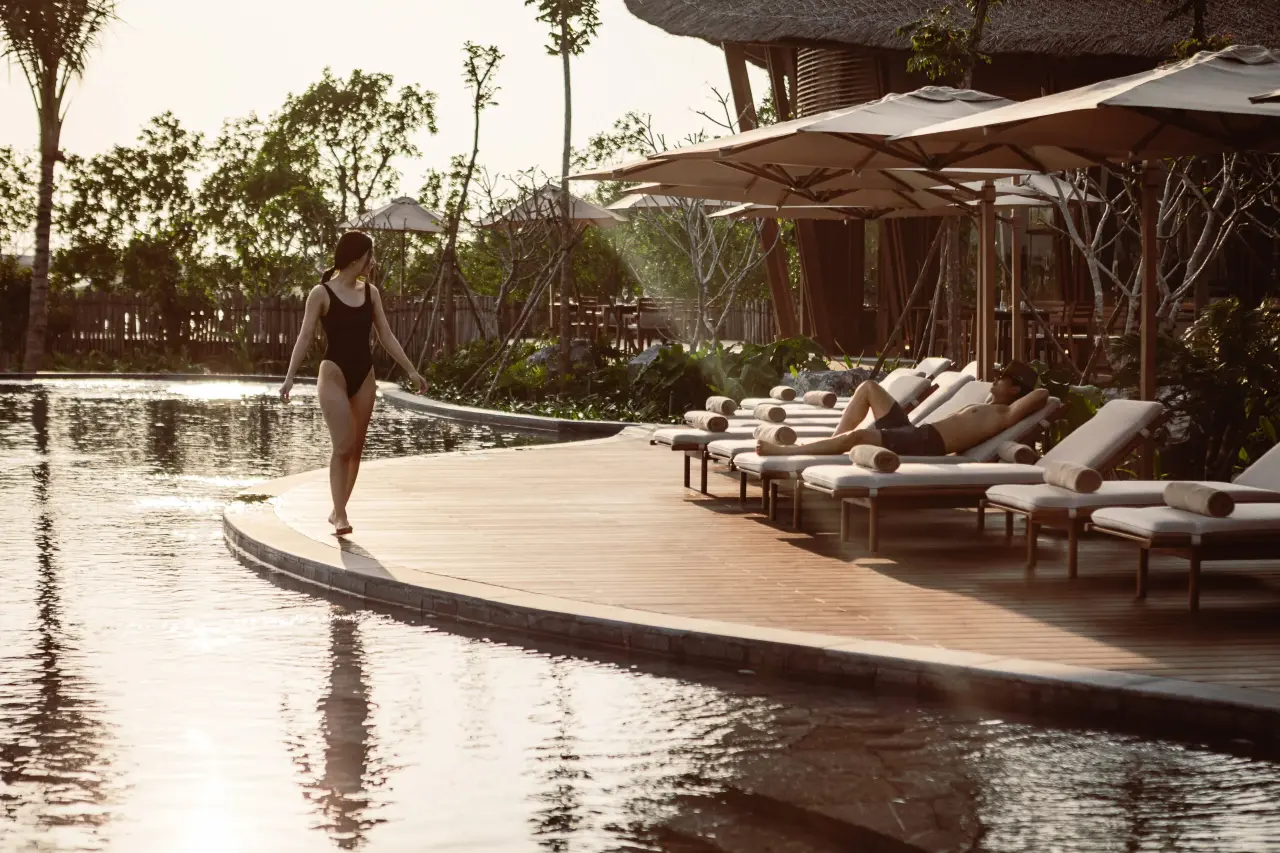
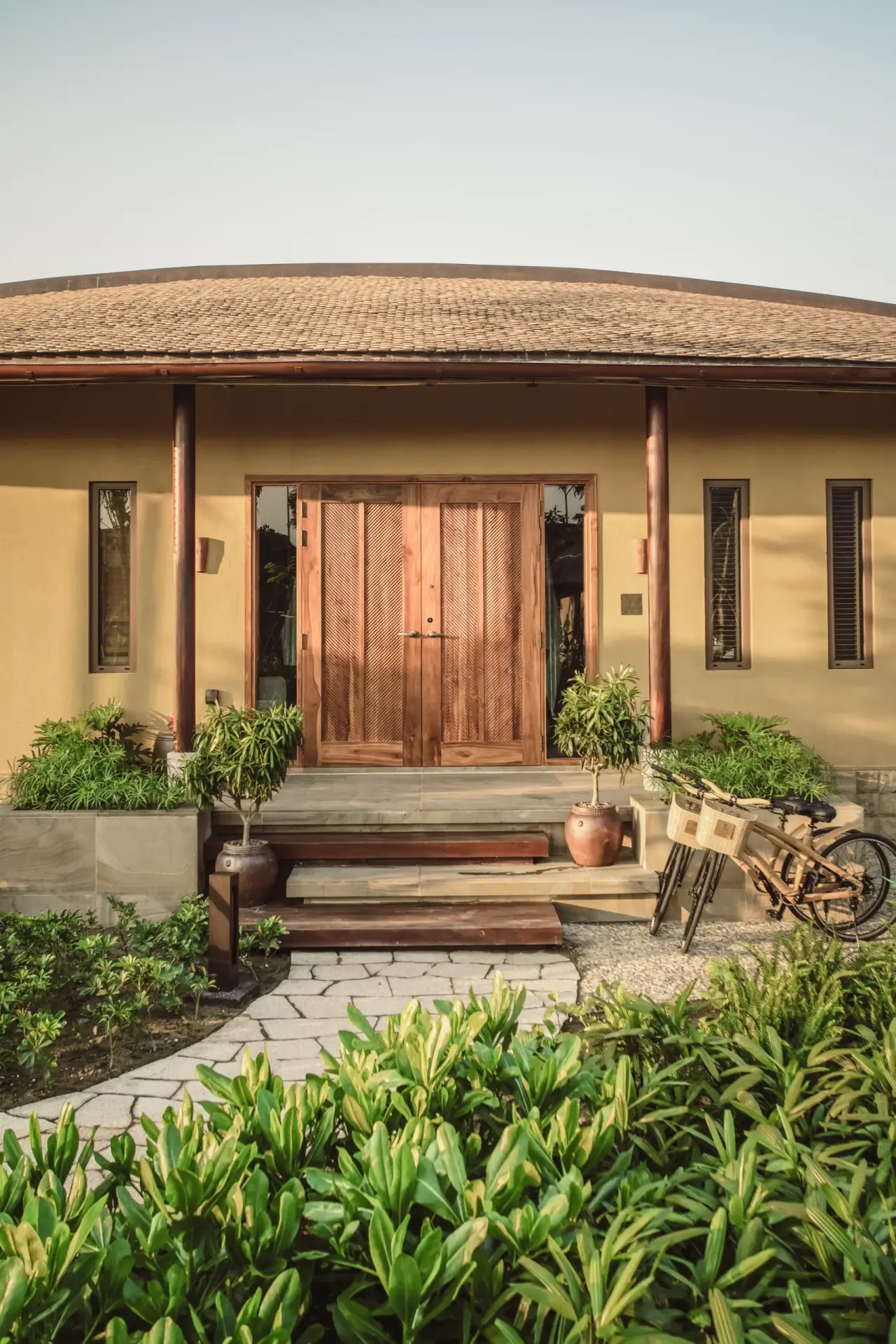
Vietnam offers a wide range of retreat venues, from beachfront luxury resorts with spa treatments to private villas and culturally immersive homestay experiences. Corporate groups can choose venues that support team retreat formats, executive-style planning sessions, or wellness-led offsites. Naman Retreat is a standout for teams wanting wellness, spa treatments, and a premium resort environment near Da Nang. Golden Field Villa Hoi An is ideal for a more private, villa-style experience near the Ancient Town of Hoi An. For teams wanting deeper cultural immersion, Mekong Pottery Homestay offers a retreat experience rooted in local life and the Mekong Delta rhythm.
What is the typical budget for a corporate retreat in Vietnam?
Budgets vary based on group size, region, venue level, and how bespoke the itinerary is. Vietnam is often considered high-value, especially for teams booking luxury resorts, private pool villas, and curated cultural experiences. Costs rise if you include multiple regions, private transfers, and a DMC for end-to-end coordination. Wellness retreats with spa treatments and high-touch facilitation will also increase the total investment. Setting a per-person budget early helps determine whether the retreat is premium wellness, boutique cultural immersion, or a balanced hybrid.
What team-building activities are available in Vietnam?
Vietnam supports team-building activities that feel natural and memorable rather than forced. Teams often include cooking classes, kayaking, and cultural experiences that create shared stories and stronger team bonding. In places like Da Nang, groups can add outdoor exploration such as the Marble Mountains to balance wellbeing with adventure. Halong Bay excursions and Mekong Delta experiences can also create unforgettable team moments through shared discovery. The best team-building activities here combine teamwork, reflection, and fun.
Is language a barrier when organizing a corporate retreat in Vietnam?
Vietnamese is the primary language, but language is rarely a barrier for international corporate retreats. Many hotels, luxury resorts, and retreat locations have English-speaking staff experienced with corporate groups. For larger retreats, using a DMC with local expertise can improve execution and reduce friction. Clear agendas, shared schedules, and simple communication tools make coordination easy. Most planning challenges are logistical rather than language-based.
How easy is transportation in Vietnam for corporate retreats?
Transportation is generally manageable, especially when the retreat is anchored in one region like Da Nang, Hoi An, Hanoi, or Ho Chi Minh City. Vietnam has strong domestic flight networks that support multi-region retreats, though too many stops can reduce energy and retreat flow. Retreats work best when transfers are minimized and schedules allow breathing room. For excursions to Halong Bay, the Mekong Delta, or Phu Quoc, travel time should be planned carefully. With thoughtful routing, transportation stays smooth and predictable.
What are the best regions in Vietnam for corporate retreats?
Central Vietnam is one of the best regions for corporate retreats because Da Nang and Hoi An combine beachfront calm with cultural depth. Hanoi is ideal for teams that want more historic context and access to Halong Bay. Ho Chi Minh City (Saigon) works well for corporate retreats that want city energy paired with nearby offsite experiences. Phu Quoc is best for pristine beaches and luxury resorts designed for wellbeing. The Mekong Delta is ideal for deeper cultural immersion and slower, grounding retreat pacing.
What are the visa requirements for attending a corporate retreat in Vietnam?
Visa requirements depend on each attendee's nationality and passport. Many international travelers can enter with an e-visa process, but requirements vary by country. For corporate groups, it's best to confirm entry rules early and standardize travel documentation collection. Companies typically gather passport details early to avoid delays. With preparation, visa logistics are manageable for global teams.
What kind of cuisine can we expect at corporate retreats in Vietnam?
Vietnam is a world-class food destination, and cuisine often becomes a central part of the retreat experience. Shared meals and cooking classes naturally strengthen team bonding through relaxed conversation and discovery. Many venues accommodate dietary needs with advance notice. Food experiences also support cultural immersion without adding complexity to the itinerary. Cuisine in Vietnam tends to feel fresh, vibrant, and energizing.
What are some cultural considerations when holding a retreat in Vietnam?
Vietnam is warm, welcoming, and deeply cultural, and retreats work best when teams approach the destination with respect and curiosity. Corporate groups benefit from designing schedules that include cultural experiences without turning the retreat into constant sightseeing. Pacing matters—Vietnam offers so much that it's easy to overpack the itinerary. Building in wellbeing time improves the retreat's long-term impact. A great retreat here feels balanced, thoughtful, and immersive.
How can sustainability be incorporated into a corporate retreat in Vietnam?
Sustainability can be supported by choosing venues that prioritize responsible operations and by minimizing unnecessary transfers. Retreats can reduce footprint by staying longer in one region rather than moving daily. Supporting local suppliers, artisans, and community experiences strengthens impact while improving authenticity. Low-impact activities like kayaking and walking-based cultural immersion can deliver high value with lower resource intensity. The most sustainable retreats in Vietnam feel local, intentional, and well-paced.
What are some recommended destinations for corporate retreats in Vietnam?
Top destinations include Da Nang for beachfront wellness retreats, Hoi An for a calmer cultural setting near the Ancient Town, and Hanoi for a more historic, city-led retreat with Halong Bay access. Ho Chi Minh City (Saigon) works well for teams that want a business-forward base paired with meaningful offsite experiences. Phu Quoc is ideal for pristine beaches and luxury resorts that support deep wellbeing. The Mekong Delta supports cultural immersion and slower pacing for teams needing a reset. The best destination is the one that matches your team's balance of focus, wellness, and adventure.
What are the best locations in Vietnam for a corporate retreat?
For wellness-first retreats, Da Nang is a strong choice, especially with venues like Naman Retreat supporting spa treatments and structured recovery. For private, boutique stays, Golden Field Villa Hoi An offers a flexible retreat experience close to Hoi An's cultural charm. For teams that want deeper local connection, Mekong Pottery Homestay brings cultural immersion into the retreat design. Hanoi and Halong Bay create high-impact shared memories through breathtaking landscapes and water-based exploration. Vietnam works best when the location aligns with the team's energy—restorative, strategic, or adventurous.
What is one of the biggest mistakes you can make in Vietnam?
One of the biggest mistakes is trying to cover too many destinations in one retreat and turning the schedule into constant transit. Vietnam has so many unique experiences that teams often overpack the itinerary and lose the wellbeing and bonding benefits of the retreat. Another common issue is designing the retreat like a tour instead of balancing focus blocks with recovery time. Corporate retreats work best when the agenda protects energy and gives teams room to connect naturally. Vietnam rewards depth and pacing more than speed.
Looking for our PDF retreat venue guide for inspiration in Vietnam?
Explore our PDF guide to retreat venues in Vietnam for additional venue ideas, regional inspiration, and examples of the types of properties available for group retreats. It was published in October 2020, so some venue details may have changed, but it's still a requested item, and it remains a useful resource for discovering locations and shaping your shortlist. For the most up-to-date options, feel free to visit our explore page, use our AI Coplanner or contact a retreat success advisor.