Ultimate guide for corporate
retreats in Peru
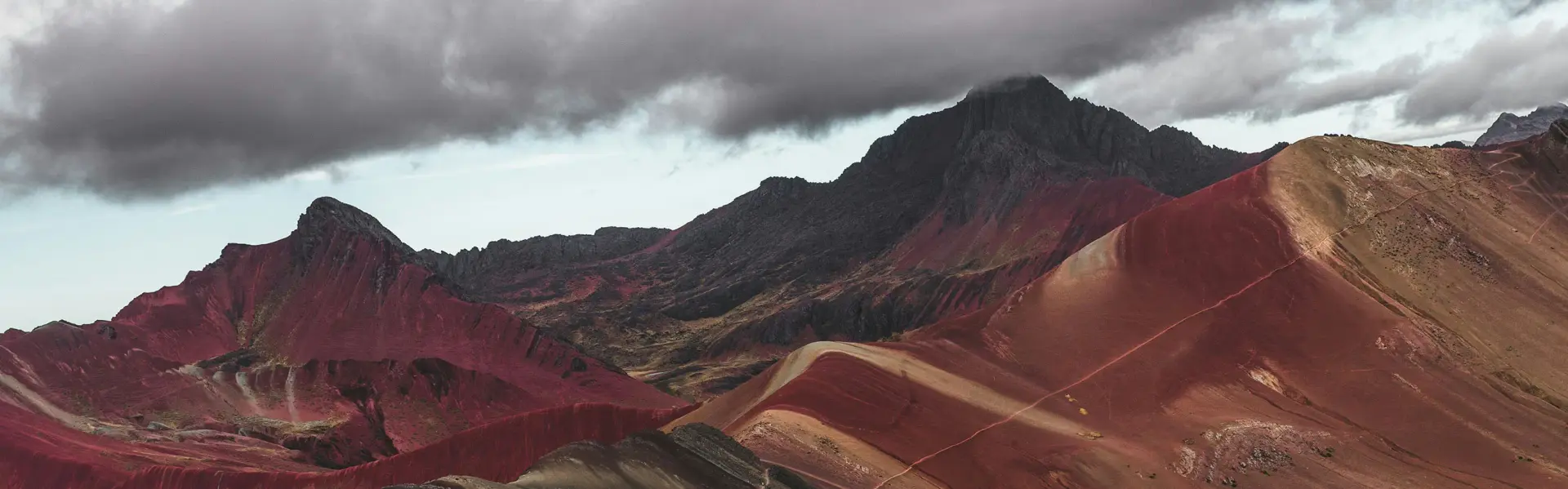
Corporate retreats in Peru combine deep cultural experiences with dramatic natural landscapes that make teams feel grounded, inspired, and connected. From Lima and Arequipa to Cusco, the Sacred Valley, and the once-in-a-lifetime setting of Machu Picchu, Peru offers corporate retreats that feel genuinely transformative. With experienced facilitators, retreat center options, and strong luxury accommodations, Peru is an ideal destination for team bonding, cultural immersion, and high-impact corporate events.Top corporate retreat venues in PeruSorted by best rated
See venues in Peru on mapBudget & price guide
Other popular destinations to explore
- Antigua and Barbuda
- Argentina
- Australia
- Austria
- Bahamas
- Bali
- Belgium
- Brazil
- Cambodia
- Canada
- Chile
- Colombia
- Costa Rica
- Croatia
- Cyprus
- Denmark
- Dominican Republic
- Ecuador
- Finland
- France
- Germany
- Greece
- Guatemala
- Hong Kong
- Hungary
- Iceland
- India
- Ireland
- Italy
- Jamaica
- Japan
- Malaysia
- Maldives
- Malta
- Mexico
- Morocco
- Netherlands
- New Zealand
- Nicaragua
- Norway
- Panama
- Philippines
- Portugal
- Qatar
- Saudi Arabia
- Singapore
- Slovenia
- South Africa
- South Korea
- Spain
- Sri Lanka
- Sweden
- Switzerland
- Thailand
- United Arab Emirates
- United Kingdom
- United States
- Vietnam
You got questions,
we have answers
Why choose Peru for a corporate retreat?
Peru is ideal for corporate retreats because it offers a rare mix of heritage, nature, and emotional impact that makes retreats feel meaningful rather than transactional. Teams often choose Peru when they want a transformative experience that strengthens relationships and improves long-term teamwork. The country supports both business-focused corporate events and wellness retreat formats that prioritize well-being. Peru also works well for international teams seeking unique experiences beyond standard resort destinations. If your retreat goal is to create lasting momentum and real team bonding, Peru delivers.
What is the best time of year to hold a corporate retreat in Peru?
The best time for corporate retreats in Peru often depends on the region, especially when planning around Cusco and the Sacred Valley. Many teams prefer the drier season for highland travel and outdoor exploration, particularly when Machu Picchu is part of the itinerary. Lima can work year-round for corporate events and seminars, but mountain regions benefit from planning around weather stability. If you're combining the Andes with the Peruvian Amazon or the Amazon rainforest, timing should be planned carefully by region. The best approach is planning the retreat route first, then selecting dates that reduce travel friction.
What types of venues are available in Peru for corporate retreats?
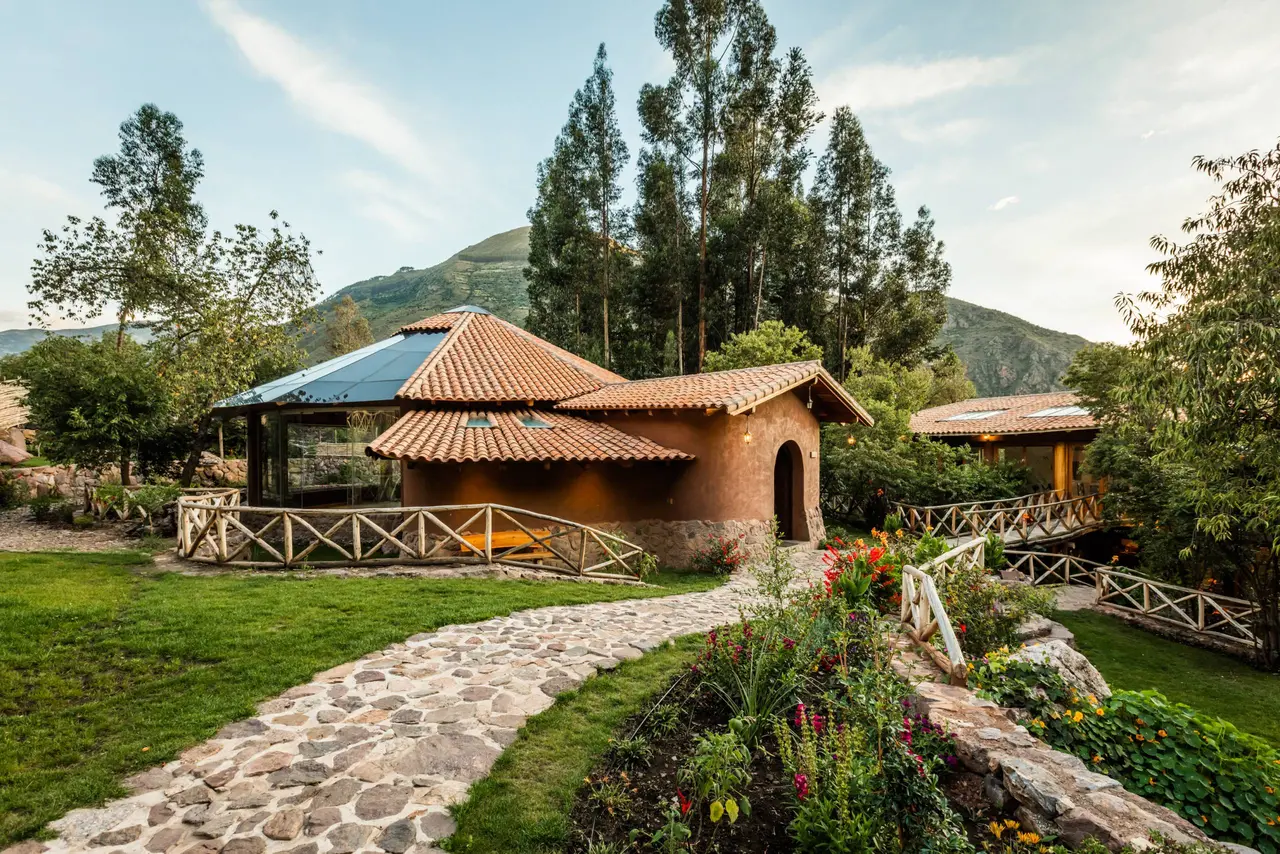
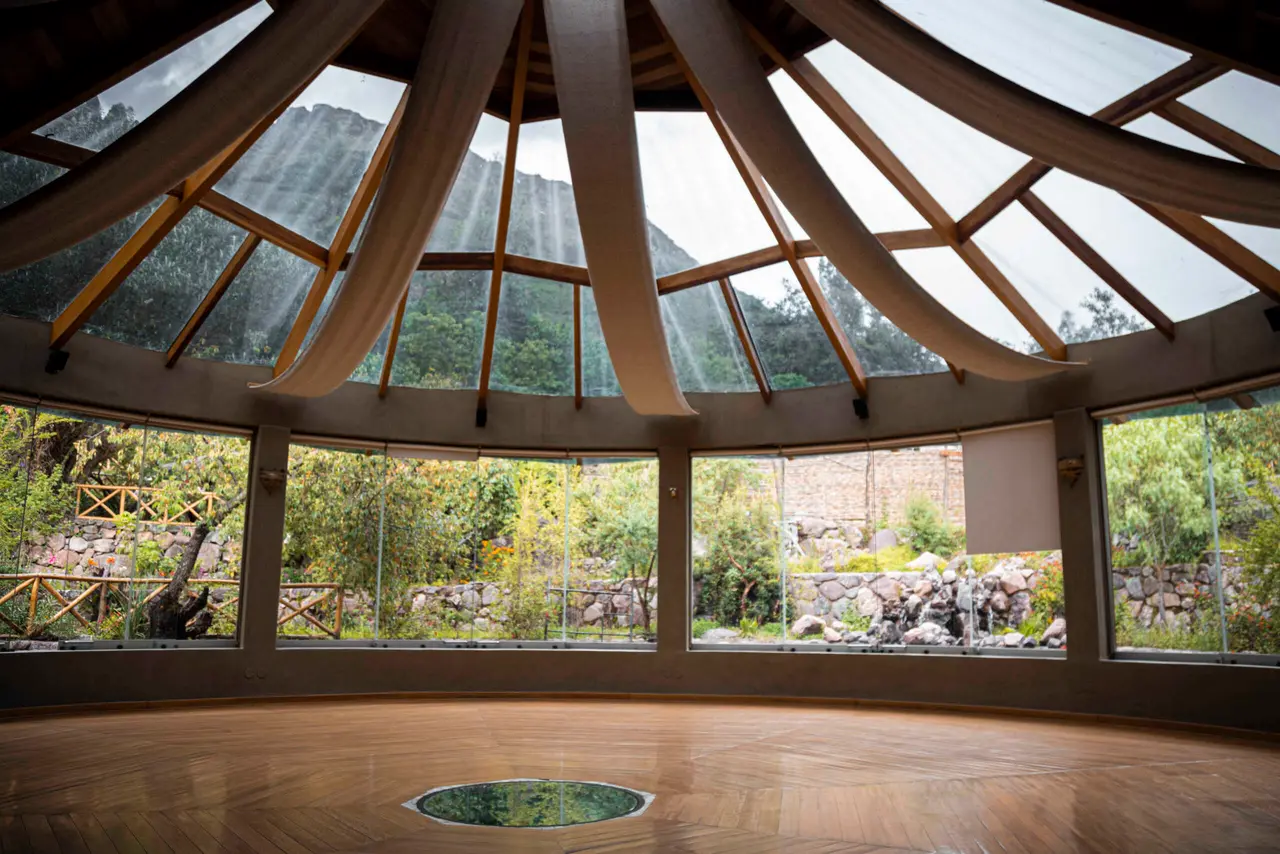
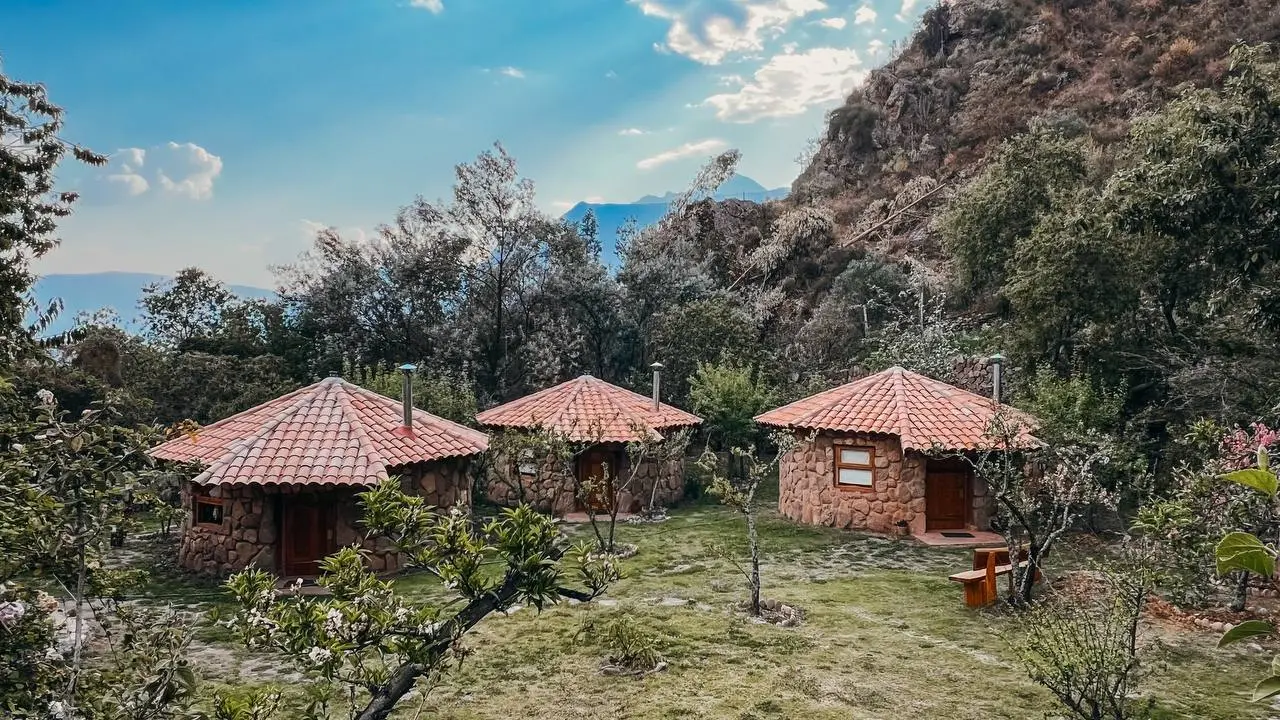
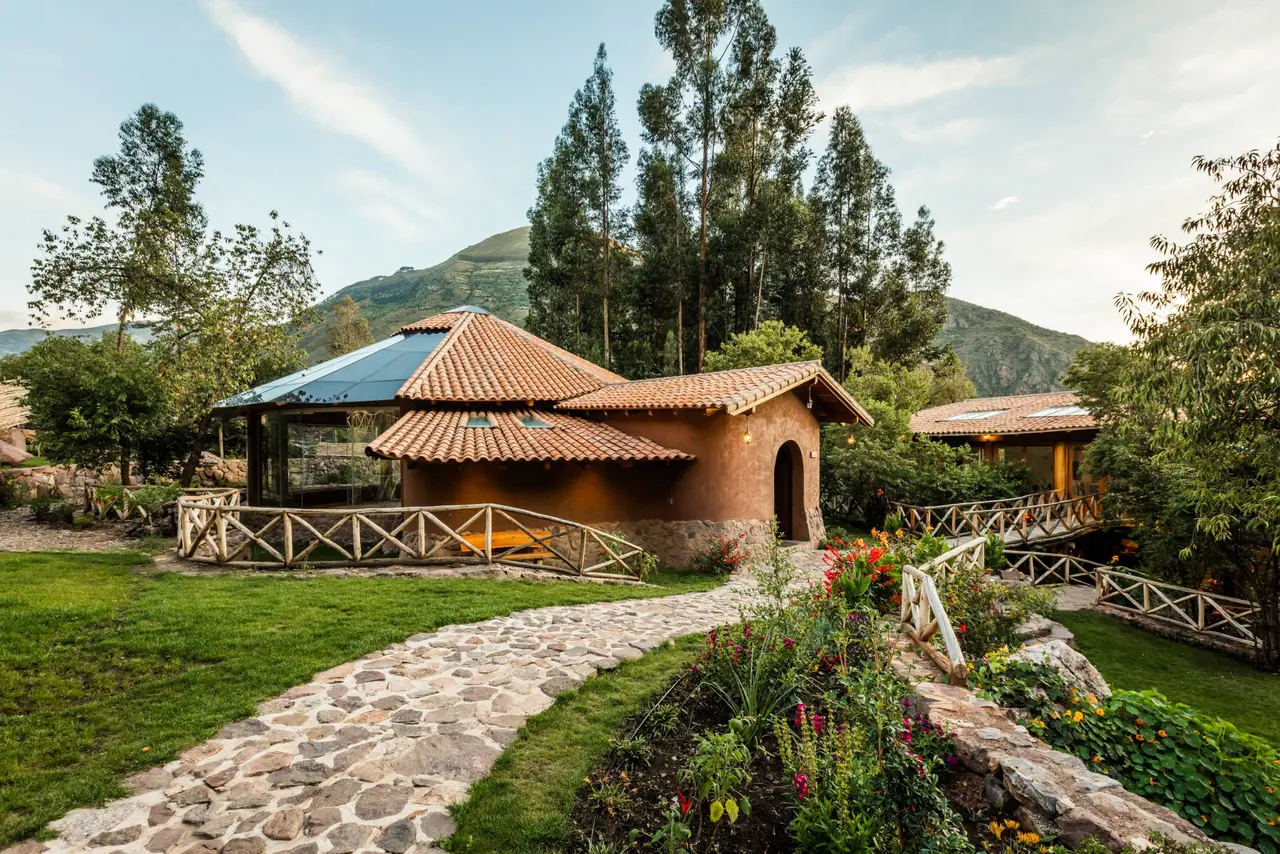
Peru offers a broad range of venues, from nature-forward retreat centers to high-comfort luxury hotel properties designed for corporate groups. Teams can choose intimate venues for yoga retreats and wellness retreats, or larger venues suited for corporate events and seminars. For teams looking for an immersive Sacred Valley setting, Soqtapata supports a nature-based retreat experience with strong cultural immersion potential. Munay Sonqo Retreat and Yoga Center is ideal for wellness-driven retreats with facilitators and well-being programming, while La Maison Eco House Rooms offers a calmer, eco-friendly stay style. For teams seeking unique experiences in a more remote setting, Tambo Ilusión and Tierravida Benxote Ni Bero support deeper retreat immersion.
What is the typical budget for a corporate retreat in Peru?
Budget varies based on group size, region, venue comfort level, and how curated the itinerary is. Peru can deliver strong value for international teams compared to many global retreat destinations, but costs rise when you include private tours, high-end luxury accommodations, and internal flights. Retreats that include Machu Picchu and the Sacred Valley typically require more planning and transport investment. Some venues bundle meals, facilitation, and activities, which simplifies budgeting. Setting a per-person budget early helps determine whether the retreat is a day retreat, multi-region offsite, or a premium immersive experience.
What team-building activities are available in Peru?
Peru supports team building through shared cultural immersion and meaningful outdoor experiences. Teams often build itineraries around guided tours with local tour guides, collaborative hikes, and cultural experiences tied to Inca and Andean history. Wellness activities like yoga retreats, mindfulness sessions, and breathwork-style programming can strengthen team bonding without requiring intense physical participation. Culinary experiences and shared meals also work well for building trust and connection. The best team building in Peru feels real, reflective, and memorable.
Is language a barrier when organizing a corporate retreat in Peru?
Spanish is the primary language in Peru, but language is typically manageable for international corporate groups. In major retreat regions, many tour guides and hospitality teams can support English-speaking groups. Quechua is also culturally significant in the Andes, and teams may encounter it as part of cultural immersion experiences. For more complex retreats, bilingual facilitators help keep workshops and discussions smooth. Overall, language is rarely the limiting factor when planning is done well.
How easy is transportation in Peru for corporate retreats?
Transportation is manageable but should be planned carefully due to Peru's geography. Lima is the main entry point and works well as a corporate events hub with simpler logistics. Cusco is the gateway to the Sacred Valley and Machu Picchu, but itineraries should account for altitude and pacing. If you include the Peruvian Amazon or Amazon rainforest, internal flights and transfers need to be planned tightly. Peru works best when the retreat is designed around one primary region rather than constant movement. With planning, travel becomes part of the experience rather than a burden.
What are the best regions in Peru for corporate retreats?
Cusco and the Sacred Valley are top choices for corporate retreats that want cultural immersion, team bonding, and a transformative experience. Machu Picchu adds a once-in-a-lifetime anchor moment that teams often remember for years. Lima is ideal for business-focused corporate events and seminars that require smoother logistics and meeting infrastructure. Arequipa offers a quieter cultural city experience with a strong atmosphere for retreats. The Peruvian Amazon is best for teams seeking a deeper nature-driven retreat centered on unique experiences.
What are the visa requirements for attending a corporate retreat in Peru?
Visa requirements depend on each attendee's nationality and passport. Many international visitors can enter Peru visa-free for short stays, but requirements vary. For global teams traveling from multiple regions, it's best to confirm entry requirements early and align on documentation. Companies often collect passport information early to avoid delays. With good planning, entry logistics are usually manageable.
What kind of cuisine can we expect at corporate retreats in Peru?
Peru is a world-class culinary destination, and food can easily become a core part of the retreat experience. Shared meals often strengthen team bonding because they create relaxed conversation and cultural connection. Many corporate retreats include local tastings, market visits, or chef-led experiences as part of the itinerary. Venues can typically accommodate dietary needs with advance planning. The cuisine element often helps the retreat feel immersive and memorable.
What are some cultural considerations when holding a retreat in Peru?
Peru has deep cultural heritage, especially in Andean and Inca regions, so retreats should be designed with respect and intention. Teams often benefit from pacing that allows reflection and space, rather than rushing from one highlight to another. Working with local communities and local partners can make the experience more authentic and meaningful. Altitude in Cusco and the Sacred Valley is also an important consideration for well-being and energy management. A great retreat here feels grounded, respectful, and thoughtfully designed.
How can sustainability be incorporated into a corporate retreat in Peru?
Sustainability can be supported by choosing venues that prioritize eco-friendly practices and working with local communities. Teams can reduce footprint by limiting internal flights and keeping the retreat focused on one region. Selecting ethical tour guides and local operators helps support responsible tourism. Sustainability can also show up through retreat design—wellness pacing, thoughtful group size, and low-impact activities improve both environmental and team outcomes. The most sustainable retreats in Peru feel intentional, local, and balanced.
What are the best locations in Peru for hosting a corporate retreat?
The best locations depend on whether the retreat is business-first or experience-first. Cusco and the Sacred Valley are ideal for teams wanting cultural immersion and a transformative experience anchored in Andean landscapes. Machu Picchu adds a high-impact, unforgettable moment that can unify the team emotionally. Lima is best for corporate events and seminars that need easy access and reliable infrastructure. For wellness-led retreats, venues like Munay Sonqo Retreat and Yoga Center and Soqtapata support deeper connection and retreat pacing.
What are the tax implications of corporate retreats to Machu Picchu?
Tax implications depend on the company's home country rules, including how business purpose, documentation, and eligible expenses are defined. Many jurisdictions require a clear business agenda, attendee list, and proof that the trip supports corporate objectives rather than being primarily personal travel. Costs tied to leisure-heavy activities may be treated differently than expenses tied to seminars, meetings, or structured business sessions. For international companies, it's best to confirm treatment with local advisors and ensure the retreat is documented as a corporate event. Planning the itinerary with clear business outcomes makes tax reporting easier across different regions.
What activities are typically included in corporate retreats in Peru?
Corporate retreats in Peru often include a blend of workshops, cultural experiences, and nature-based connection time. Teams frequently plan guided excursions, Sacred Valley exploration, and collaborative activities that reinforce teamwork through shared experience. Wellness blocks like yoga retreats, mindfulness sessions, and reflection time are common for leadership groups. Culinary moments are also typically included as team bonding anchors. The most successful itineraries feel balanced—structured enough for outcomes, spacious enough for wellbeing.
What are some popular activities included in corporate retreats in Peru?
Popular activities include guided cultural immersion experiences tied to Inca history, scenic hikes in Andean landscapes, and curated group experiences with local tour guides. Many teams include Machu Picchu as a centerpiece experience that creates shared meaning. Wellness retreats may include yoga sessions and facilitator-led programming to support well-being. Food-led experiences are also common, helping teams connect through shared meals and discovery. Peru's best activities feel authentic, immersive, and memorable.
What are the best corporate retreat locations in Peru for team-building activities?
Cusco and the Sacred Valley are top choices because the environment naturally supports team bonding through shared exploration and challenge. Machu Picchu adds a powerful shared moment that strengthens team spirit and cohesion. Lima works well for team-building activities that are more structured and workshop-based, especially when the retreat is short. Retreat centers such as Munay Sonqo Retreat and Yoga Center support deeper team connection through wellness programming and facilitation. The best location is the one that matches your team's energy level and retreat goals.