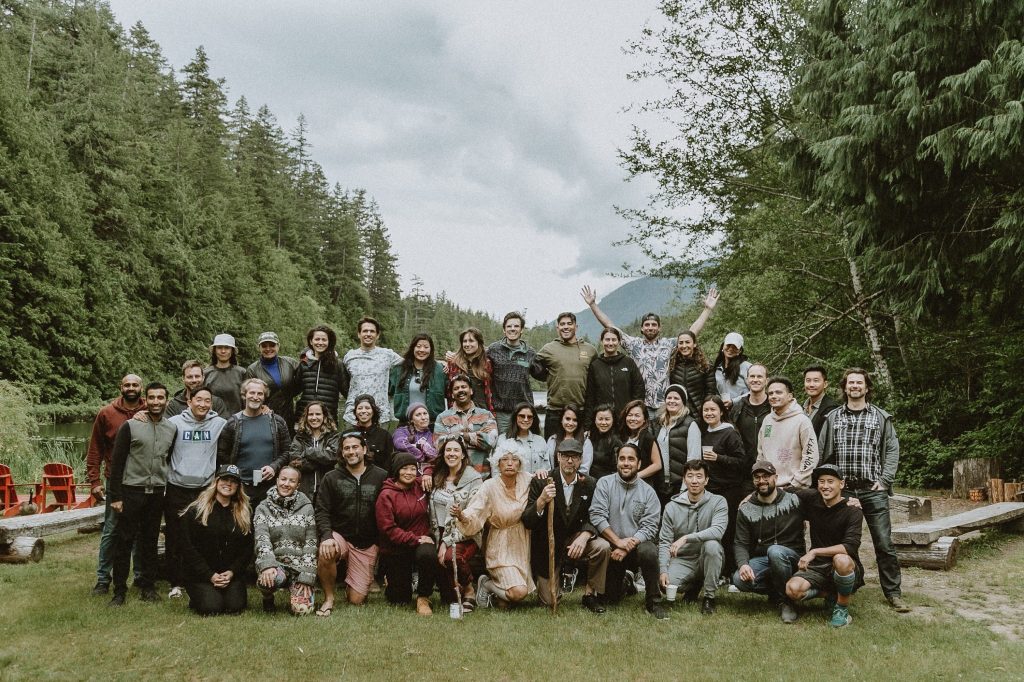
Finding team-building activities that actually work for a remote team is harder than it sounds. Video call trivia nights are fine. Virtual happy hours have their place. But after a while, anything that requires everyone to be on a screen at the same time starts to feel like more work than fun, and the connection you’re trying to create doesn’t quite land.
We wanted to try something different. Something that fit around real life instead of adding to it. Something that would keep our team engaged over multiple weeks, not just for a single hour on a Thursday afternoon.
So we ran a steps challenge. 25 team members, 5 teams, 15 days, and a point system that rewarded consistency over raw output. We used Slack to keep the energy up and Dopa (playdopa.co) to handle the tracking and leaderboards. What followed was not only fun for the team but inspired us all to get more active in our day-to-day life.
Here’s how it went.
How We Set It Up
The structure was simple, which is part of why it worked. Each day, participants could earn up to three points:
- +1 point for hitting 8,000 or more steps
- +1 point for any outdoor activity (walks, hikes, swims, whatever counted)
- +1 point for an act of kindness
Three points a day. Fifteen days. Five teams competing on a shared leaderboard.
Dopa handled the point tracking, daily reminders, and leaderboard updates. You could also share photos and updates directly in the app. Slack handled the discussion layer: the reactions, the team threads, the gloating. The two tools together meant we didn’t have to manage spreadsheets or chase people for their numbers. Easy to run, easy to track.
Where Our Team Was Walking
Being a remote-first team means we’re naturally distributed across the globe, but this challenge really put it into perspective. During those 15 days, our team was spread across Brazil, Colombia, Costa Rica, Canada, the United States, the Philippines, Malaysia, Singapore, Spain, Poland, and Portugal.
One person completed the challenge across three countries. They started in Vancouver, then kept their streak going from Malaysia to Singapore as they travelled. Logging in from airport lounges, hotel rooms, and tourist attractions.
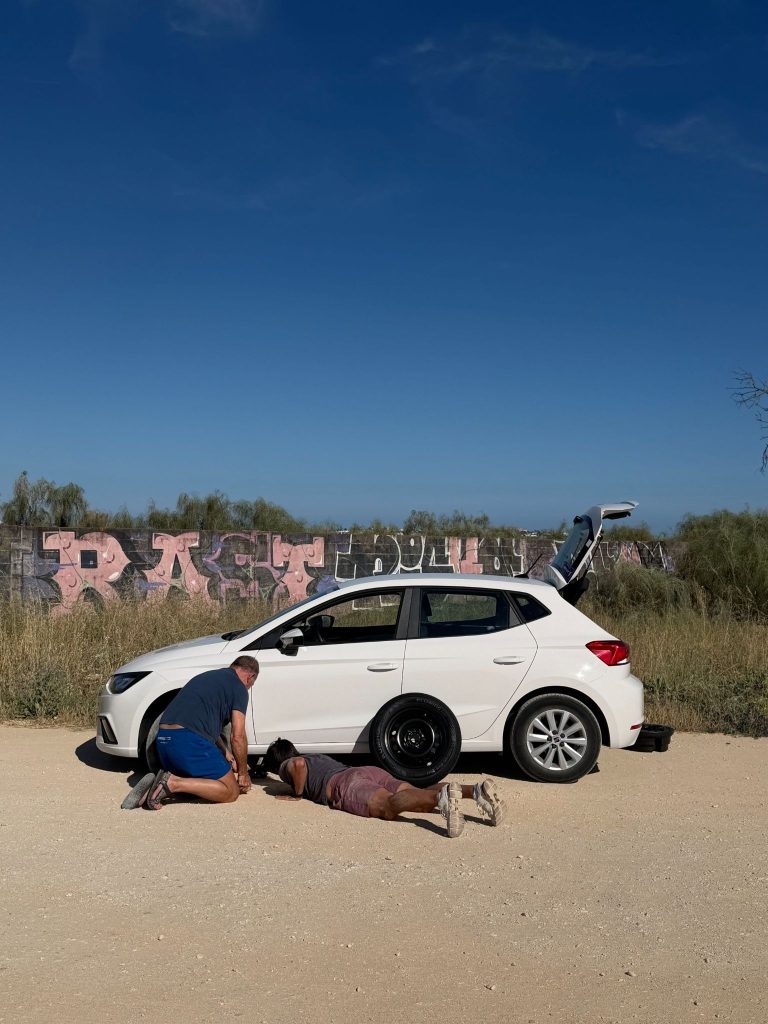
Another team member was driving through Portugal when they spotted someone struggling to change a tire on the side of the road. They pulled over, helped, and logged it as their act of kindness for the day. That story made it into the Slack channel with a picture to prove it.
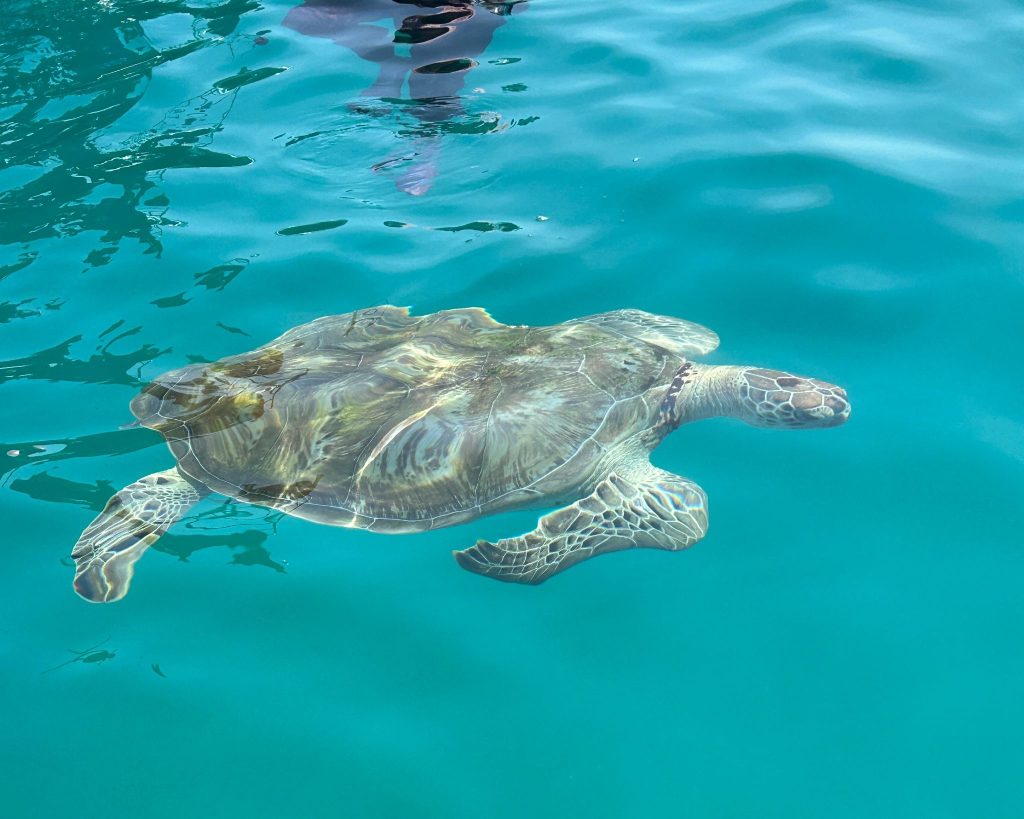
Outdoor activities ranged from morning walks and weekend hikes to snorkelling and cycling. The point structure gave people permission to count the things they were already doing. Nobody had to overhaul their routine. They just had to notice it.
The Numbers
We didn’t set a collective step goal going in. We just wanted people to show up consistently. What we got was more than we expected.
Total steps across the full 15 days: 2,992,243
That’s roughly 1,036 km walked together as a team. To put it in real terms, that’s in the range of Vancouver to Calgary, or Madrid to somewhere past Lyon.
A few more numbers from the challenge:
- Average steps per participant over the full 15 days: 136,552
- Highest individual total: 214,107 steps
- Check-in rate: 94%
- Completion rate: 95% (one person got sick midway through)
- Acts of kindness logged across the team: 229
The top individual walker logged 130,893 steps in the first week alone, including a single day of 25,059 steps. That’s a half marathon worth of walking on what was probably just a regular Tuesday.
Final Team Standings
- Green Team: 89 points, 333,588 steps
- Orange Team: 87 points, 350,626 steps
- Yellow Team: 80 points, 291,556 steps
- Red Team: 74 points, 287,798 steps
- Purple Team: 26 points, 99,570 steps
You might notice that the Orange Team logged the most steps of any team but finished second on points. That’s by design. The point structure rewarded consistency and variety, not just raw output. Someone hitting 8,000 steps every day, getting outside regularly, and logging acts of kindness would score higher than someone running 15km on a treadmill daily without the other two habits. Neither approach is better than the other, but we wanted to make sure the challenge was genuinely accessible to everyone on the team, regardless of fitness level or schedule. In our post-challenge survey, many team members noted that the best part wasn’t the competition. It was realizing how easy it was to integrate more movement into their day, something they planned to carry forward after the challenge ended.
What Made It Actually Work
We plan retreats for a living, so we think carefully about what creates real connection versus what just looks like it does. A few things stood out from this challenge.
The scoring rewarded showing up, not just going hard. The daily point structure made the challenge accessible to everyone, whether they were logging 6,000 steps on a busy workday or spending a Saturday afternoon hiking. Showing up consistently mattered more than any single impressive day.
The act of kindness points changed the energy. This wasn’t purely a fitness challenge. Over 15 days, the team logged 229 acts of kindness. While those acts weren’t happening because of the challenge, reading them each day in Slack added something to the experience that a pure step count never would have.
Dopa tracked it, Slack made it social. Dopa handled the data: steps, points, leaderboard, and photo sharing within the app. Slack is where the community built around it. Team threads, photos from trails, teammates tagging each other after a strong day. That layer is what made it feel like a shared experience rather than a solo activity that happened to run in parallel.
It fit around real life. Nobody had to schedule time to participate or be on a call. You walked, logged it, and moved on. For a fully remote team across multiple time zones, that flexibility is what made a 94% check-in rate possible.
Why This Works for Remote Teams
The hardest thing about building culture on a remote team isn’t finding the right activity. It’s finding something that creates a shared experience without requiring everyone to be in the same place at the same time.
A steps challenge does that. It runs in the background of normal life. It gives people something to talk about that isn’t work. It creates small daily moments of accountability and celebration that, over 15 days, add up to something that feels real.
It’s not a replacement for a company retreat. Nothing is. But as a way to keep connection warm between the bigger gatherings, it’s one of the most effective things we’ve tried.
If you’re looking for a team-building activity your remote team will actually finish, this is a good place to start. Dopa makes it easy to run. Slack makes it feel alive. The rest your team will handle themselves.
Check out Dopa at playdopa.co.
RetreatsAndVenues helps remote and hybrid teams plan company retreats, small to large staff retreats, executive and leadership offsites, and team gatherings around the world. Free to use, with access to 20,000+ vetted venues and a dedicated retreat specialist from first search to final booking. Start at RetreatsAndVenues.com