When we started Pioneers in Culture, we didn’t set out to publish predictions about corporate retreat trends.
We set out to ask company leaders one focused question at a time:
What actually works when you bring your team together in person? And why corporate retreats are important in a world where most collaboration now happens remotely?
Over the past year, I’ve had more than 50 conversations with Heads of People, Executive Operations leaders, founders, and HR managers. These are the people responsible for company culture, employee engagement, retention, and strategic planning. Many of them are planning company retreats, leadership offsites, and executive retreats in a world reshaped by remote work and the pandemic.
Across those conversations, patterns began to emerge. Not buzzwords. Not surface-level team-building activities. Real insights about corporate retreat planning, team dynamics, burnout, and what actually builds trust when teams gather face-to-face.
What follows is a synthesis of what leaders are implementing now — and what that reveals about corporate retreats in 2025.
How These Corporate Retreat Trends Were Identified
This analysis is grounded in:
- 50+ in-depth podcast interviews conducted in 2024–2025
- Observations from real company retreats, executive retreats, and offsites
- Guest reflections on retreat experiences and outcomes
- Recurring themes around retreat goals and objectives, problem-solving, brainstorming, and team cohesion
- Patterns in recommended corporate retreat locations, corporate retreat venues, and the types of retreats companies are choosing for different team sizes
- Some data was gleamed from our previous statistics
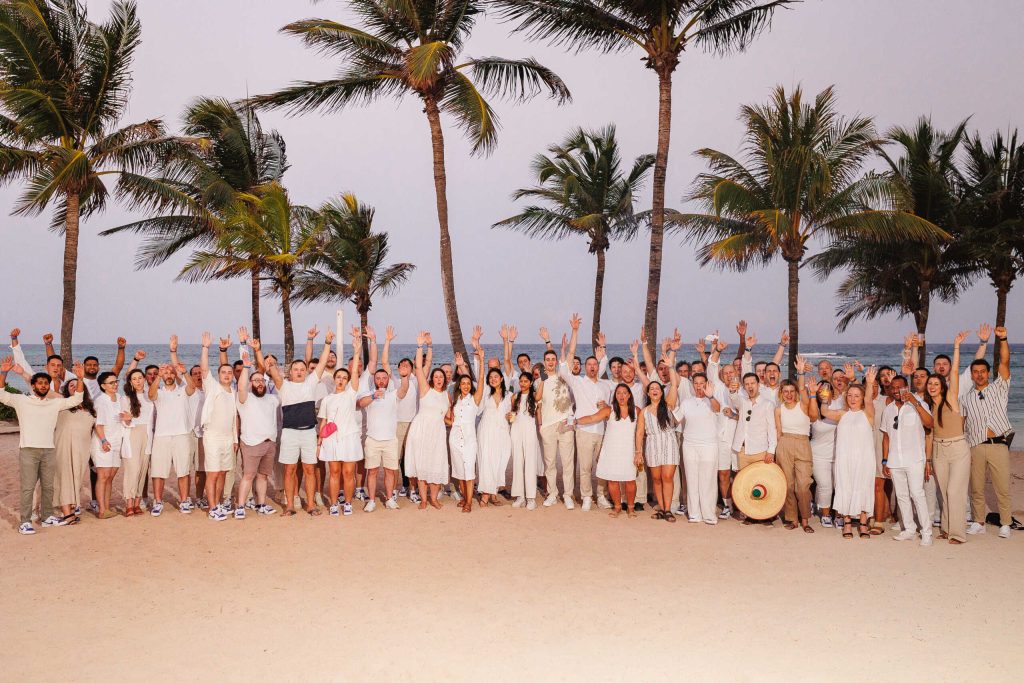
Companies ranged from 30 to 200+ team members, many operating fully remote or hybrid models. The retreats discussed included wellness retreats, strategy sessions, cultural reset initiatives, and large-scale corporate events.
These insights reflect lived experience — not theoretical forecasting.
Who Is Planning Corporate Retreats Today?
Retreat planning rarely sits with administrative teams alone.
Instead, ownership typically falls to leaders responsible for:
- Company culture
- Corporate culture and values
- Employee engagement and retention
- Teamwork and collaboration
- Work-life balance initiatives
These leaders are planning:
- Annual company retreats
- Quarterly leadership retreats and offsites
- Executive strategic planning retreats
- Cross-functional brainstorming sessions
- Wellness-focused getaways
Depending on the organization, this can include everything from small retreats for small teams and leadership gatherings to larger company-wide retreats designed to strengthen culture and alignment.
In today’s environment, corporate retreats are not framed as escapes from work. They are designed as structured, intentional in-person gatherings that strengthen team bonds and improve team dynamics.
Macro Shifts Influencing Corporate Retreats
Several broader forces are shaping retreat experiences in 2025.
Remote Work Has Changed the Stakes
With distributed teams, in-person time is limited — and therefore more valuable. Corporate travel budgets are scrutinized more closely, and each retreat must justify its impact on employee engagement and increased productivity.
As distributed teams become the norm, many leaders are rethinking corporate retreat planning — including how company retreat budgets are allocated and how retreat goals and objectives are defined before choosing destinations or designing a company retreat agenda.
Leaders repeatedly emphasized that when teams gather face-to-face, the focus shifts from presentations to connection.
Burnout and Well-Being
Burnout surfaced frequently. Many retreats now incorporate wellness activities, mindfulness sessions, and unstructured time to support well-being.
One leader described retreat design as prioritizing energy management over time management. Rather than filling agendas with nonstop team-building exercises, companies are protecting space for reflection and meaningful conversation.
Wellness retreats are no longer fringe ideas — they’re integrated into broader corporate retreat strategy.
Some organizations are also experimenting with hybrid formats such as virtual retreats or shorter offsite gatherings when travel budgets or scheduling constraints make full in-person retreats difficult.
Retention and Job Satisfaction
In competitive hiring markets — especially among millennials and distributed teams — retreats are viewed as a retention initiative. Leaders connect in-person gatherings directly to job satisfaction, team cohesion, and long-term engagement.
Top Corporate Retreat Trends for 2025
1. Strategy-First Retreat Planning

Rather than starting with themes or destinations, companies begin with clear retreat goals and objectives.
What must this retreat accomplish?
Common objectives include:
- Strategic planning
- Problem-solving across departments
- Cross-functional brainstorming
- Building trust among leadership
- Strengthening team cohesion
This shift reflects a broader move toward measurable retreat success. A successful retreat now includes a thoughtfully designed company retreat agenda, clear follow-up initiatives, and post-retreat accountability.
2. Leadership and Executive Retreats Remain Essential
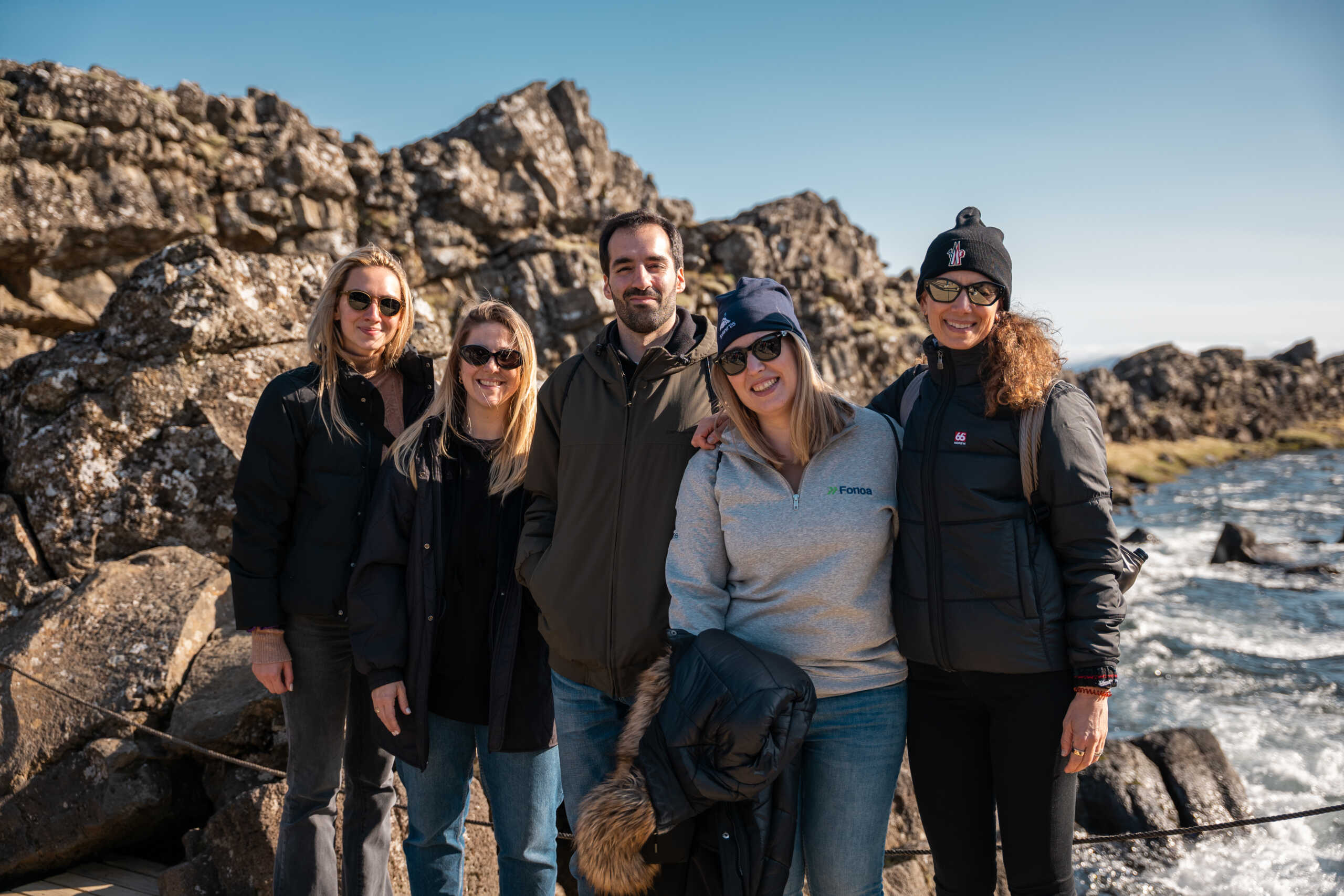
Executive retreats and leadership retreats continue to play a foundational role.
These smaller gatherings focus on:
- Long-term strategic planning
- Corporate culture alignment
- High-level decision-making
- Clarifying company initiatives
They are often hosted at private corporate retreat venues or buyout-style properties that allow for privacy and focus.
Leaders consistently described these retreats as reset points — moments to recalibrate before scaling the next phase of growth.
3. Intentional Team-Building (Not Forced Team-Building)
One of the clearest shifts in corporate retreat trends is how companies approach team-building.
Mandatory, highly structured team-building exercises are declining.
In their place:
- Collaborative cooking experiences
- Volunteer initiatives
- Small group challenges
- Escape rooms used strategically for problem-solving
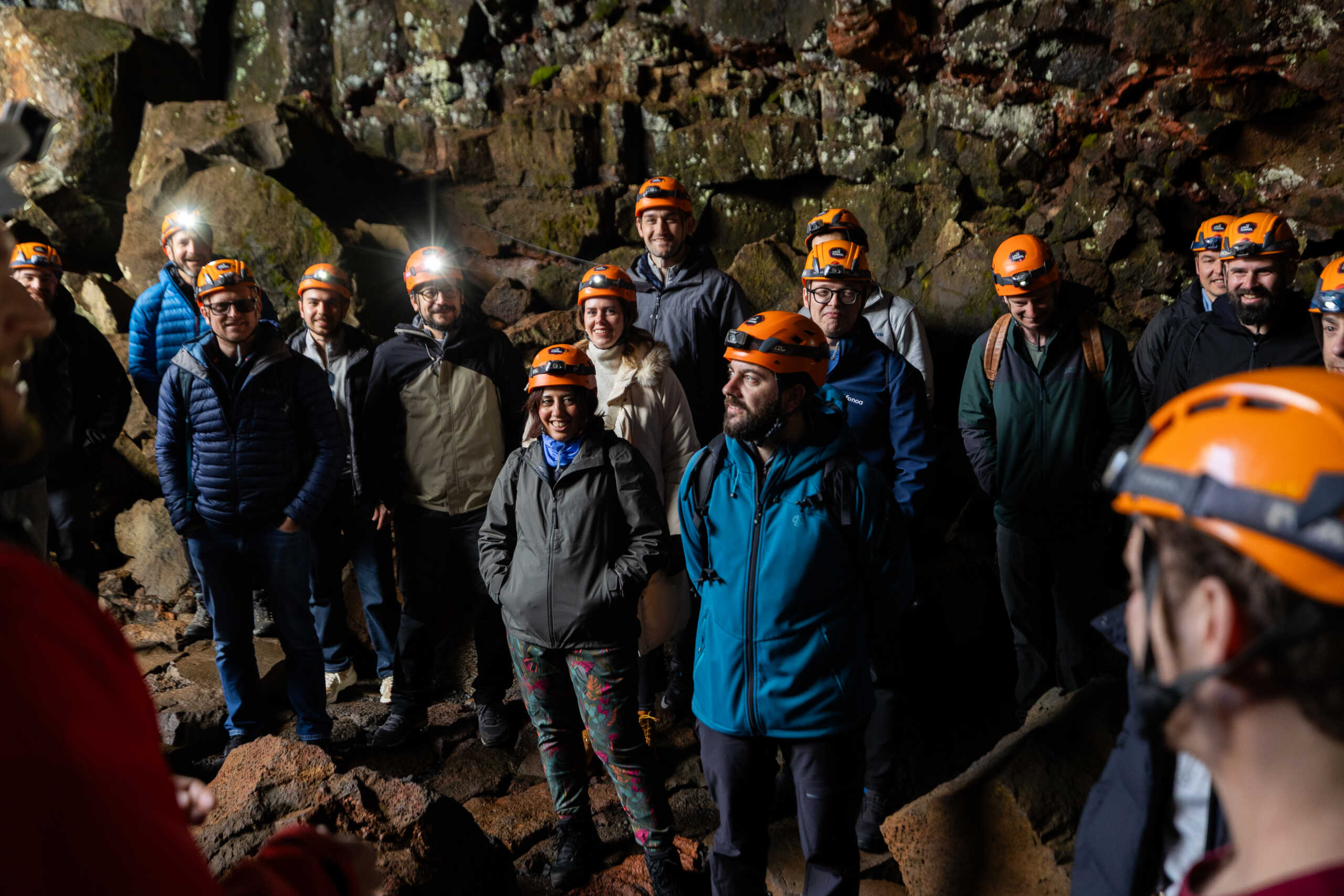
- Shared adventure activities
Many teams now prioritize shared experiences over traditional corporate retreat themes, focusing instead on meaningful collaboration and authentic connection.
The goal is not entertainment. It’s trust.
4. Nature-Forward Retreat Locations
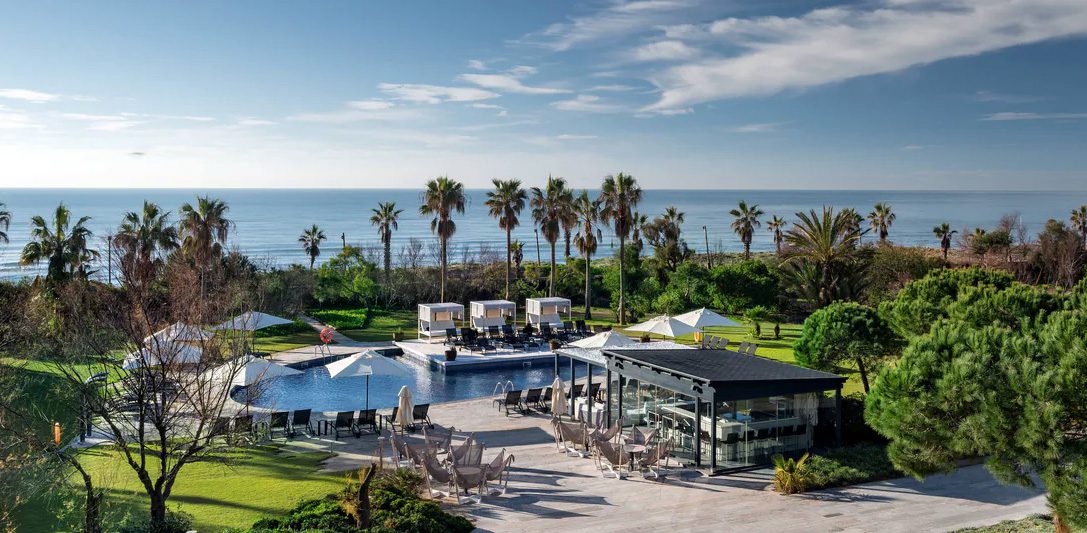
Across interviews, the most frequently recommended corporate retreat locations included:
- Coastal destinations
- Mountain settings
- Eco-friendly properties
- Buyout-style villas
- Retreat venues with central gathering spaces
Nature-forward settings reduce screen time and support mindfulness, wellness, and team connection.
Sustainability also surfaced as an increasing consideration. Companies are asking about eco-friendly accommodations, responsible corporate travel practices, and how retreat planning aligns with broader sustainability commitments.
Companies are also paying closer attention to venue accessibility, transportation logistics, and inclusive planning when evaluating corporate retreat venues. Many planners now use a venue accessibility checklist to ensure retreat locations accommodate all team members.
5. Shared Experiences Outlast Presentations

When asked what team members remembered most, leaders rarely mentioned slide decks.
They mentioned:
- Cooking meals together
- Wellness activities like guided mindfulness sessions
- Outdoor challenges
- Cultural immersion experiences
- Informal late-night conversations
These types of corporate retreat ideas consistently build trust and strengthen teamwork in ways formal meetings cannot.
6. Fewer Gatherings, Greater Impact
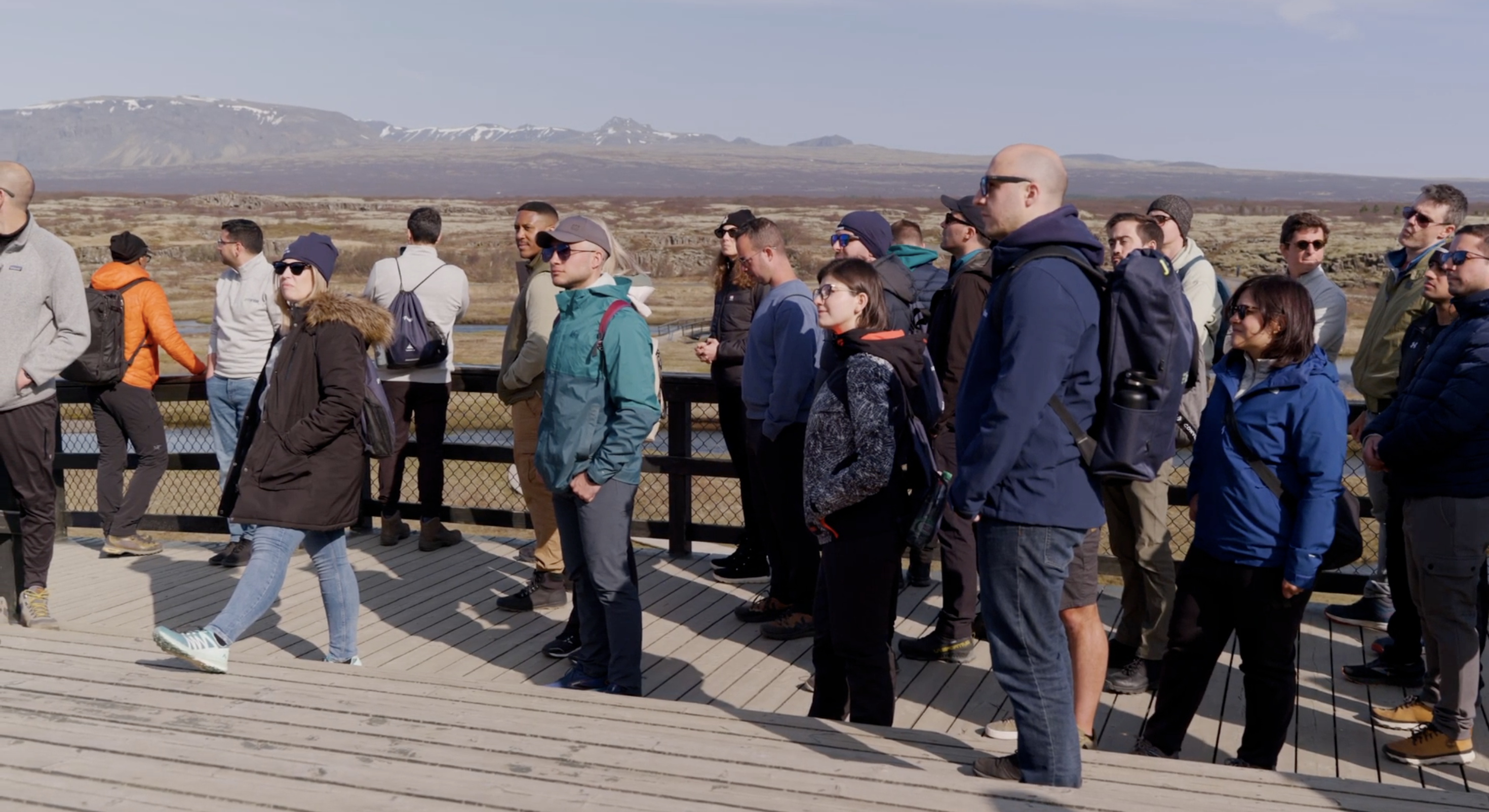
Some companies are consolidating company retreat budgets into one highly intentional annual company retreat instead of multiple smaller offsites.
This reflects:
- Tighter corporate travel oversight
- A desire for deeper retreat experiences
- Increased focus on measurable outcomes
Rather than frequent escapes, companies are designing purposeful, high-impact gatherings.
What’s Declining in Corporate Retreats
Patterns losing momentum include:
- Overpacked agendas
- Generic conference rooms disconnected from retreat goals
- Retreats with no post-retreat plan
- One-size-fits-all formats
- Team-building for optics rather than cohesion
Leaders are designing retreats that align with corporate culture — not copying trends for appearance.
When Companies Are Hosting Retreats

The most common months mentioned were:
- April
- May
- September
- October
These months balance weather, retreat venue availability, and cost. They also tend to offer more manageable corporate retreat costs compared with peak summer travel periods.
How Retreat Goals Are Evolving
Across conversations, retreat objectives are shifting:
From “fun getaway” → to strategic alignment
From “escape work” → to strengthening teamwork
From “company event” → to culture infrastructure
Corporate retreats now serve as concentrated moments of:
- Face-to-face connection
- Cross-functional problem-solving
- Brainstorming
- Relationship repair
- Burnout prevention
For many organizations, retreats now function as core culture infrastructure — not simply occasional company offsite ideas or employee perks.
FAQs About Corporate Retreat Trends
What are the current corporate retreat trends?
Current trends include strategy-first retreat planning, leadership-focused offsites, wellness integration, sustainability considerations, intentional team-building activities, and nature-forward corporate retreat locations that prioritize connection.
Are corporate retreats still valuable after the pandemic?
Yes. In a remote work environment, face-to-face gatherings play a critical role in building trust, strengthening team bonds, and improving retention and job satisfaction.
What makes a successful retreat?
A successful retreat has clear goals, thoughtful event planning, space for team-building and problem-solving, post-retreat follow-up initiatives, and alignment with company culture.
How much does a corporate retreat cost?
Corporate retreat costs vary widely depending on location, group size, travel requirements, and venue selection. Smaller retreats for small teams may cost a few thousand dollars, while large company retreats with travel and accommodations can represent a significant portion of annual company retreat budgets.
Are company retreats tax deductible?
In many jurisdictions, company retreat expenses may be partially tax deductible if the retreat serves a clear business purpose such as strategic planning, training, or leadership development. Companies should consult tax professionals to determine whether their company retreat qualifies as a deductible business expense.
A Year of Listening
After a year of conversations with the leaders designing their next corporate retreat, one thing stands out:
The best retreats aren’t about extravagance.
They’re about intention.
They create space for teamwork.
They build trust.
They strengthen team cohesion.
They support retention and employee engagement.
Whether they take the form of leadership retreats, executive retreats, or full company gatherings, the retreats discussed throughout the podcast reveal how intentional in-person time has become essential for modern organizations.
Corporate retreats in 2025 are not escapes from work.
They are structured opportunities to realign corporate culture — together, in person.
And that shift is the clearest trend of all.