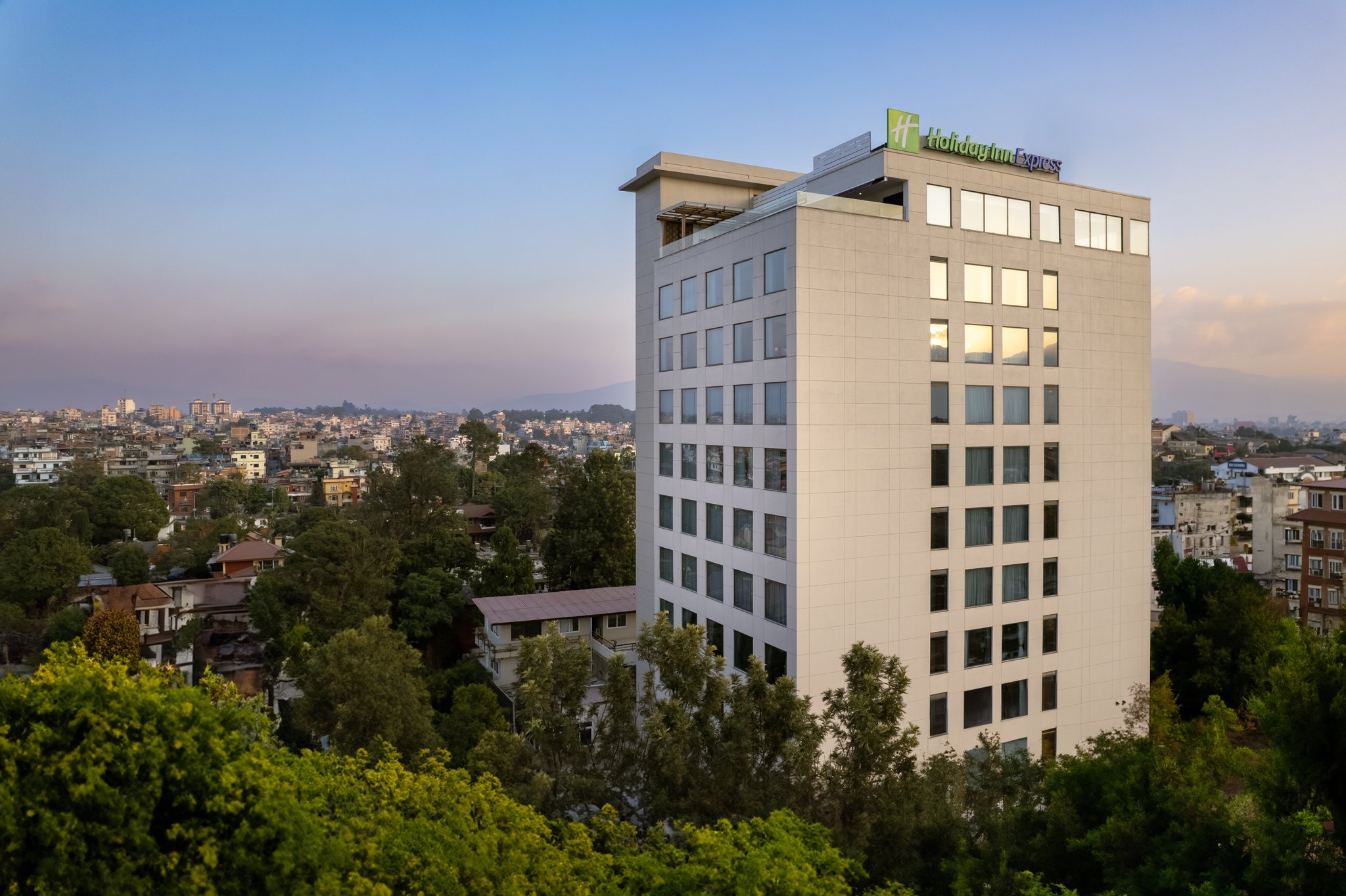
Corporate retreats in Nepal offer an unforgettable experience where teams can reset in a natural setting while building stronger teamwork through shared adventure and wellbeing. From Kathmandu and the Kathmandu Valley to Pokhara, Nagarkot, and nature-rich destinations like Chitwan National Park, Nepal blends cultural depth with Himalayan calm. With high-speed internet, hassle-free planning support, and retreat venues designed for team retreats and corporate groups, Nepal is a powerful destination for team bonding, corporate events, and meaningful growth in the Himalayas.

What your team needs to enter Nepal — by nationality
No paperwork. Walk in with a passport.
Not applicable here
Visa stamped at the border on arrival. Bring fees.
Not applicable here
Embassy visa needed. Plan 2-6 weeks.
Not applicable here
14 travelers • 5 nationalities
Directional data, last synced May 20, 2026.
Browse top destinations for your next corporate retreat.
Nepal is ideal for corporate retreats because it combines deep focus, natural beauty, and shared challenge in a way that strengthens team bonding fast. The Himalayas create a sense of perspective that helps teams reconnect to purpose and improve teamwork. Nepal also supports both reflective wellness retreats and high-energy team-building activities like trekking or rafting. For corporate groups, it's a destination where the experience naturally becomes memorable without needing heavy production. If you want a getaway that feels meaningful and high-impact, Nepal delivers.
The best time depends on whether your retreat is trekking-focused, culture-focused, or wellness-first. Many teams choose seasons with clearer skies and comfortable temperatures to support outdoor activities and short trek options. Kathmandu and UNESCO World Heritage Sites work well across much of the year when the retreat agenda emphasizes workshops and culture. For more adventure-forward retreats, aligning timing with safe trekking conditions matters more. The best approach is selecting your region first, then planning dates around activity goals.
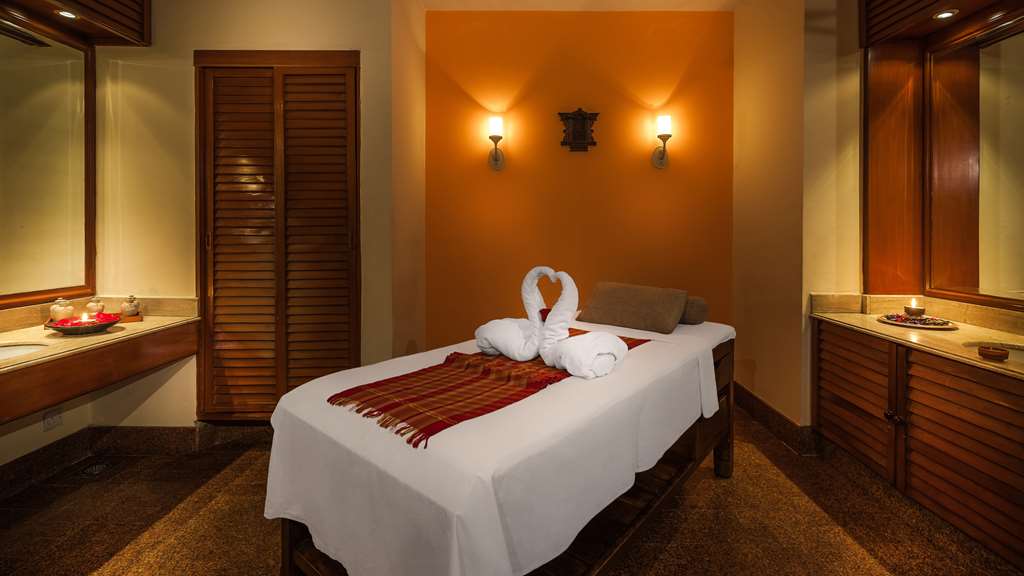
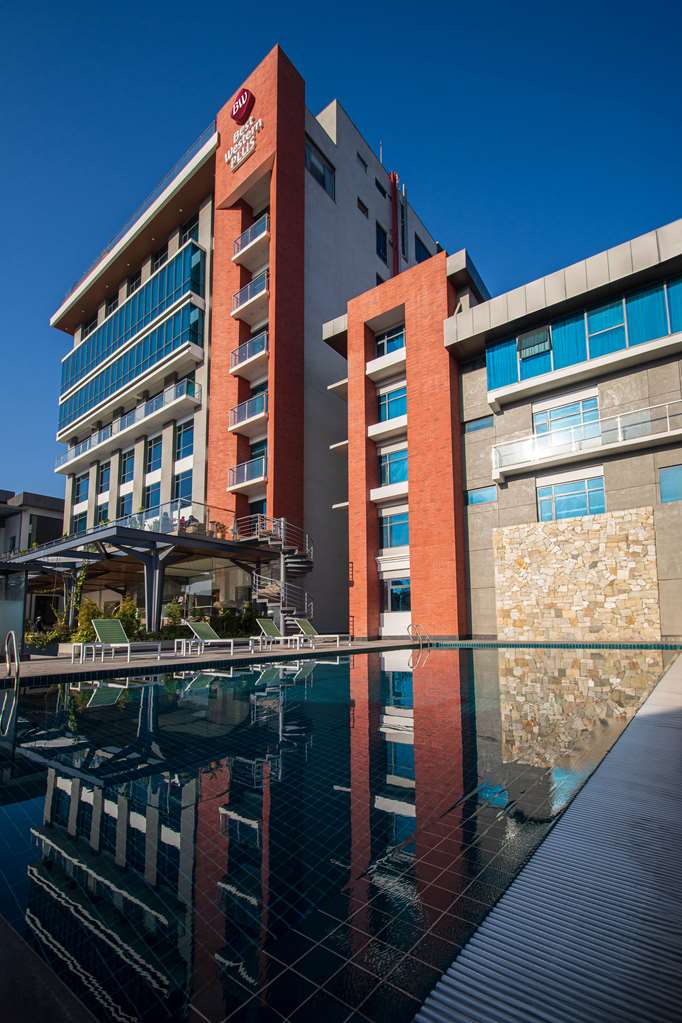
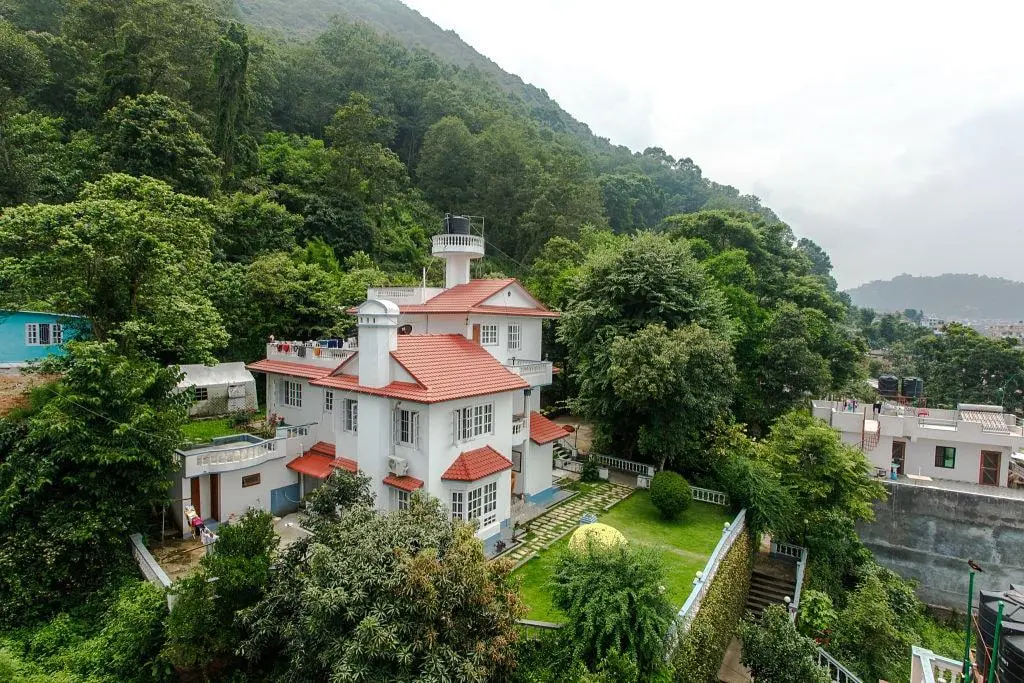
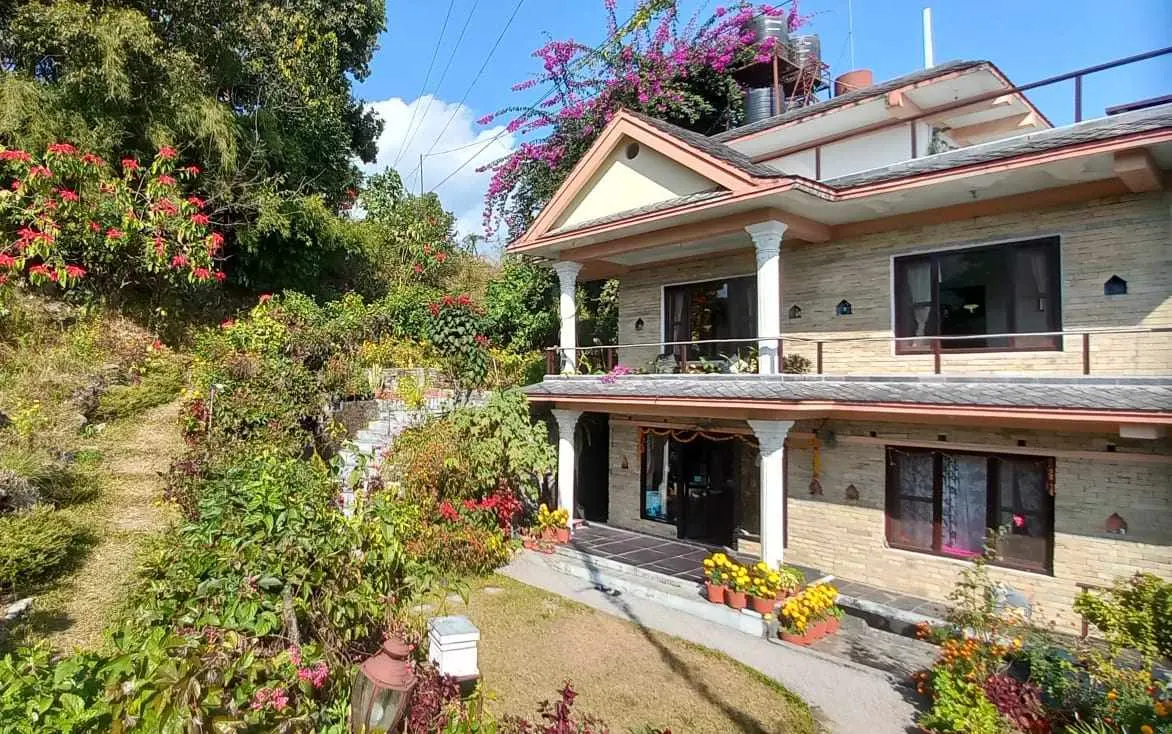
Nepal offers a mix of wellness-focused retreat properties, nature lodges, and corporate-friendly venues with meeting infrastructure. Many corporate groups choose venues that combine a calm natural setting with the ability to host corporate events in a conference hall or structured gathering space. For wellbeing-led team retreats, Himalayan Yogini Retreat supports a restorative retreat rhythm focused on wellness. Himalayan Yoga Resort is also a strong option for corporate retreats that want structured wellbeing and group reset time. For teams seeking a peaceful, boutique environment for team bonding and reflection, Chhahari Retreat is an excellent fit.
The budget varies based on group size, retreat style, and how much guided programming is included. Nepal can offer strong value compared to some global retreat destinations, especially for teams combining cultural experiences with wellness. Costs increase when itineraries include guided trekking, private transport, rafting logistics, or multi-region travel. Many companies budget based on accommodation level and facilitator needs, especially for corporate groups and leadership teams. Planning in advance helps keep the retreat hassle-free and cost-efficient.
Nepal is exceptional for team-building because many activities naturally strengthen collaboration through shared experience. Popular options include trekking, a short trek day, rafting on the Trishuli, and outdoor activities that build resilience and teamwork. Teams also incorporate wellbeing programming like guided sessions, reflection blocks, and calm recovery time to support well-being. For wildlife and shared adventure, jungle safaris in Chitwan National Park can create unforgettable team bonding moments. The best activities here create connection without feeling forced.
Language is generally not a barrier for international corporate retreats in Nepal. Nepali is the primary language, but many hospitality and retreat teams support English for corporate events and group experiences. In places like Kathmandu and Thamel, it's common to find English-speaking staff and facilitators. Clear itineraries and pre-arranged coordination reduce friction for corporate groups. With the right planning, language is manageable.
Transportation is manageable, but planning matters due to terrain and travel time between regions. Kathmandu is the most common arrival hub, and many teams build retreats around the Kathmandu Valley for easier movement. Transfers to Pokhara, Nagarkot, or Chitwan National Park require more coordination but are very doable with a structured plan. Many corporate groups use WhatsApp to coordinate schedules, pickup times, and real-time updates across team members. A well-planned route keeps the experience smooth and hassle-free.
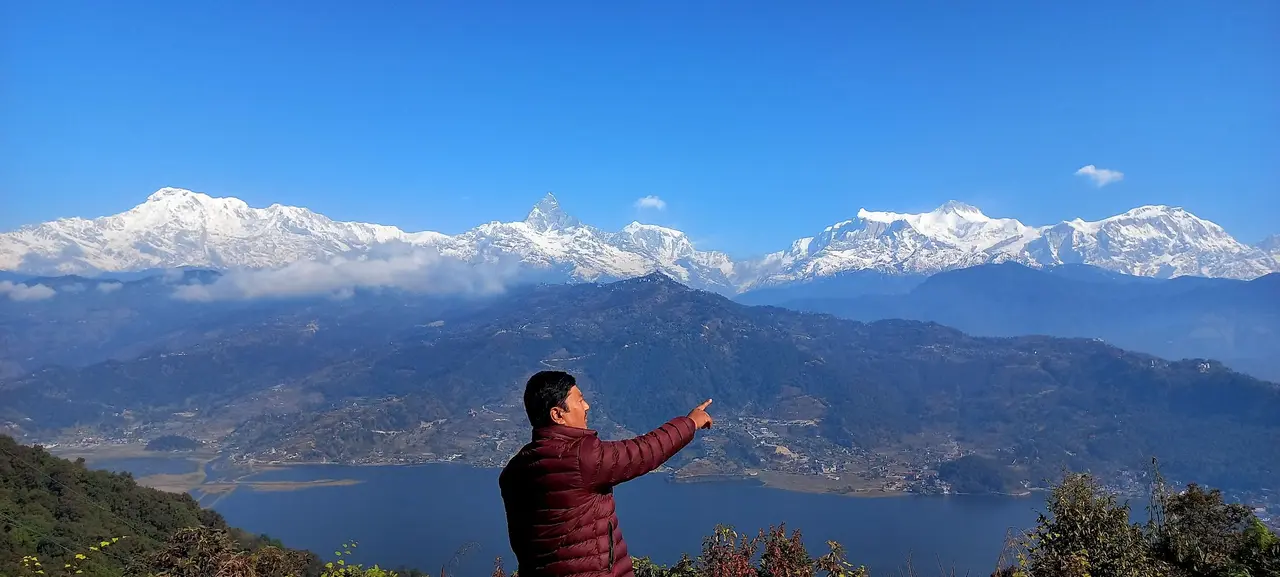
Kathmandu and the Kathmandu Valley are ideal for corporate retreats that want culture, UNESCO World Heritage Sites, and easy logistics. Pokhara is a top choice for teams that want natural beauty, lakeside calm, and access to Himalayan views. Nagarkot offers a quieter, elevated getaway feel near Kathmandu with strong sunrise and mountain scenery. Chitwan National Park is best for jungle safaris and a different kind of team bonding experience. Trek-focused regions like Langtang or Annapurna Base Camp are ideal for teams seeking a more demanding adventure retreat.
Visa requirements depend on nationality and passport, so teams should confirm entry rules early. Many travelers can use visa-on-arrival options, but requirements vary by country. For corporate groups, collecting passport details in advance helps avoid last-minute issues. Entry planning is usually straightforward with preparation. International teams can generally coordinate attendance without major difficulty.
Nepal offers a simple, nourishing dining experience that aligns well with wellness and recovery-focused retreats. Many venues provide balanced meals that support energy for trekking, rafting, and full-day programming. Kathmandu and major retreat hubs often offer a mix of Nepali cuisine and familiar international options. Shared meals become a key moment for team bonding and informal connection. Food here tends to feel grounding and supportive of the retreat rhythm.
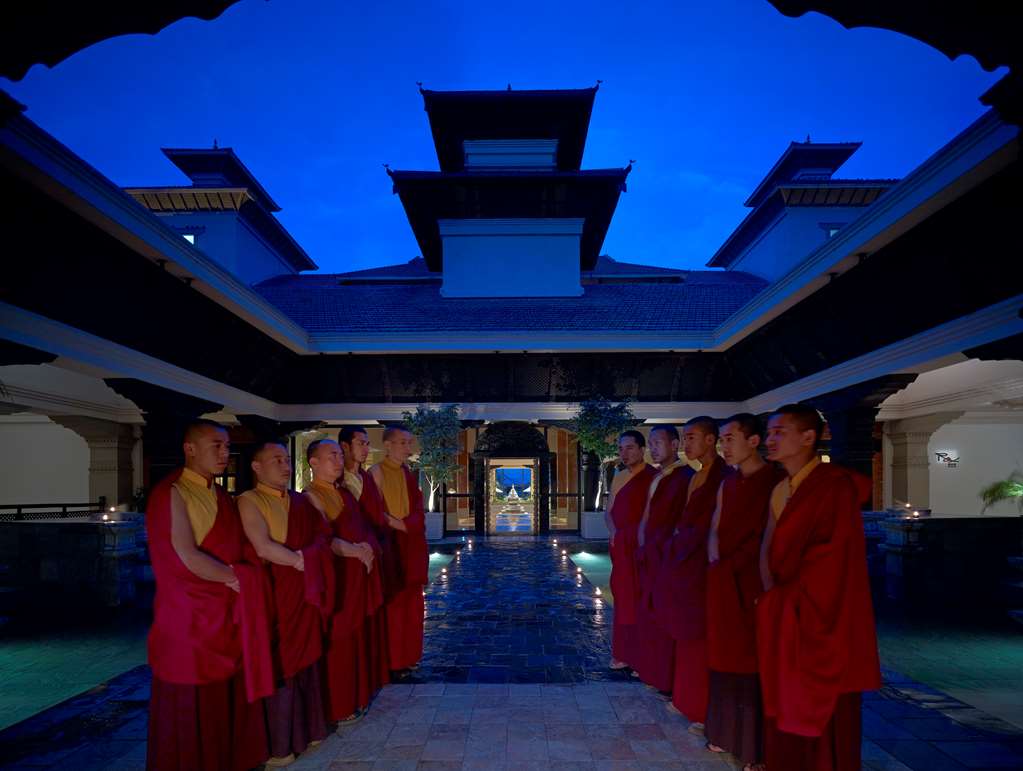
Nepal is deeply cultural and spiritual, and retreats work best when teams approach the destination respectfully. Visits to Bhaktapur and other UNESCO World Heritage Sites are meaningful and should be planned thoughtfully. A calmer pace often leads to better outcomes because it allows teams to absorb the natural setting and cultural depth. Respecting local customs and being mindful in sacred spaces improves the experience for everyone. A great retreat in Nepal feels present, intentional, and human.
Sustainability can be supported by choosing venues that prioritize local communities and responsible operations. Retreats can reduce footprint by staying longer in one region and minimizing unnecessary transfers. Supporting local guides, local suppliers, and regional experiences strengthens positive impact. Sustainability also includes people—wellness and well-being scheduling reduces burnout and improves long-term performance. The best sustainable retreats in Nepal feel locally rooted and thoughtfully paced.
For corporate outings that include trekking, outdoor activities, and clear mountain views, teams often choose periods with stable weather and comfortable temperatures. If the retreat is more culture-focused, Kathmandu and the Kathmandu Valley can work across a wider range of seasons. Retreats that include rafting on the Trishuli or a full-day jungle safari itinerary may require extra planning around conditions. The best time is the one that matches your agenda—adventure-first, wellness-first, or hybrid. Nepal rewards choosing timing that protects energy and safety.
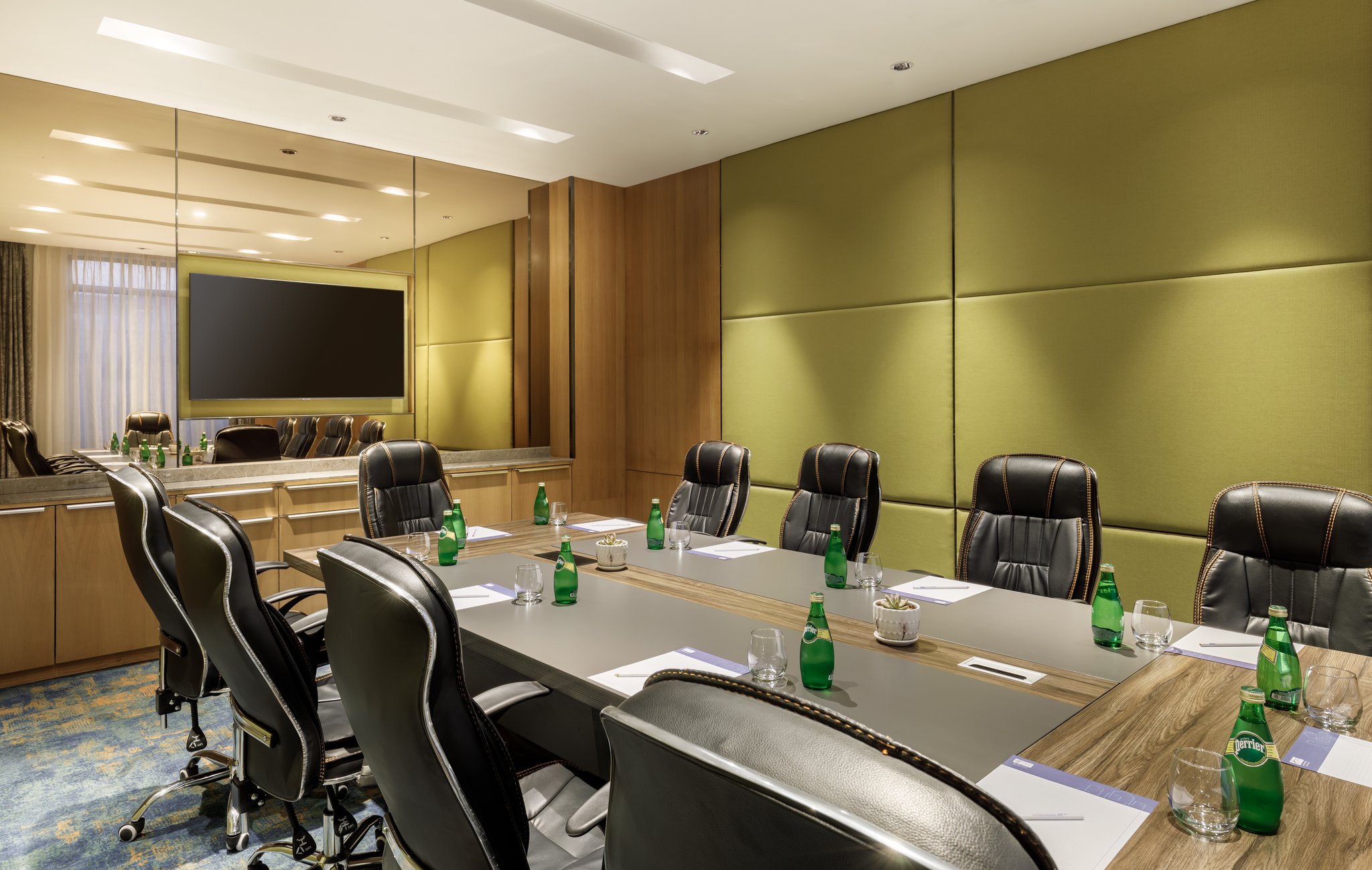
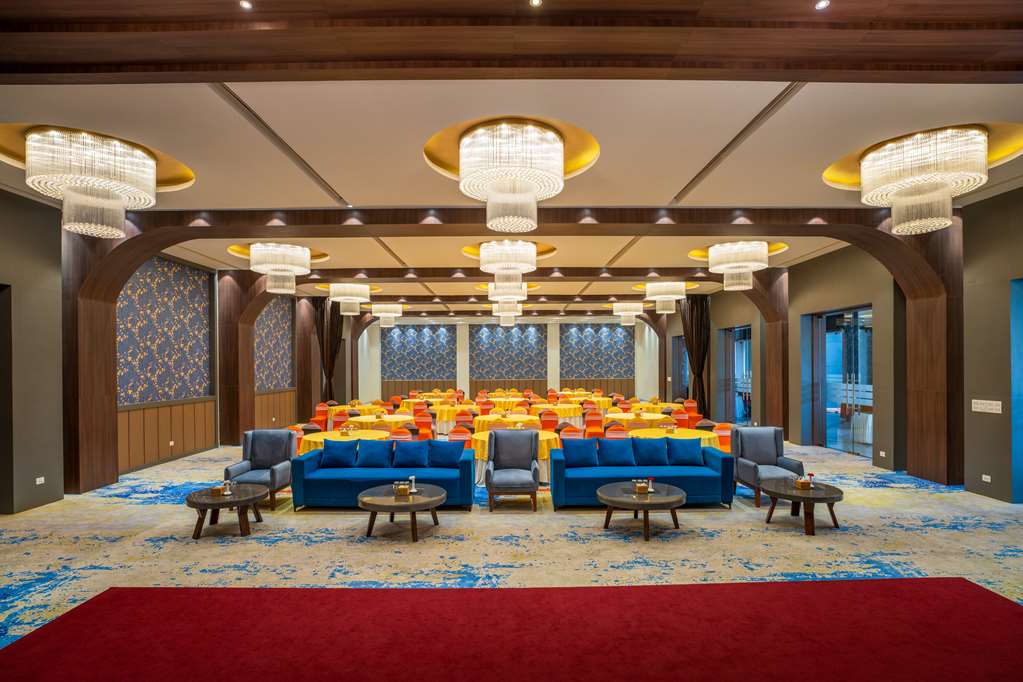
Corporate groups can choose everything from wellness retreats and boutique retreat properties to more structured lodging with meeting capability. Many properties support team retreats with shared spaces for team bonding and reflection, plus quieter areas for rest. Some venues can also accommodate corporate events with a conference hall and state-of-the-art setup for workshops. For wellbeing-first formats, Himalayan Yogini Retreat and Himalayan Yoga Resort are strong matches. For a quieter, nature-forward retreat experience, Chhahari Retreat provides a calm base for connection.
Team-building activities in Nepal often center on shared challenge and shared wonder. Trekking—whether a short trek or a multi-day route toward Annapurna Base Camp or Langtang—can build strong teamwork and trust quickly. Rafting and outdoor activities create natural moments for problem-solving and collaboration. Jungle safaris in Chitwan National Park add a different kind of shared adventure for team members. These activities work best when balanced with recovery time and wellness blocks.
A strong itinerary can include a mix of culture, movement, and wellbeing. Teams often build in Kathmandu highlights, Bhaktapur exploration, and UNESCO World Heritage Sites for cultural depth. Outdoor options include trekking, rafting on the Trishuli, nature walks, and scenic recovery time in places like Pokhara or Nagarkot. Retreats can also include structured strategic sessions, corporate events, and workshops that support team alignment. The best itineraries balance productivity with deep reset and memorable shared experience.